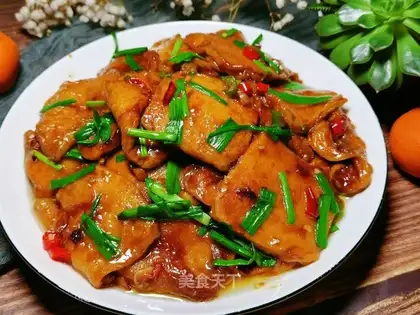
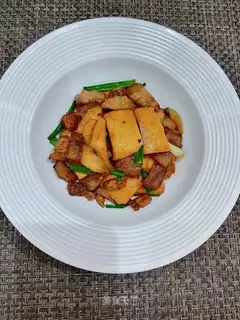
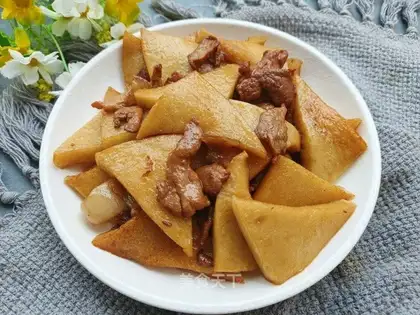
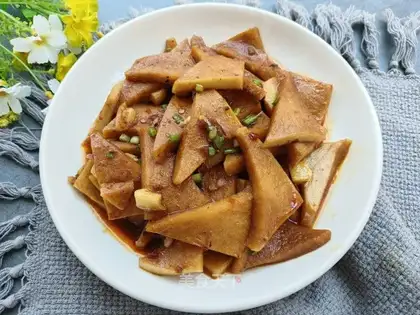
In the ever-evolving landscape of global cuisine, few ingredients have captured the culinary imagination quite like thousand-layer tofu (千页豆腐). With its delicate, paper-thin layers, silky texture, and remarkable versatility, this soy-based product has transcended traditional Asian kitchens to become a staple in modern plant-based diets. Yet, beneath its unassuming appearance lies a nutritional profile and set of health benefits that make it a standout ingredient. This article explores the nutritional value of thousand-layer tofu, its scientifically supported health benefits, and important precautions to consider for safe consumption.
I. Nutritional Value: A Breakdown of Thousand-Layer Tofu’s Composition
Thousand-layer tofu is a processed soy product, distinct from traditional firm or silken tofu due to its unique preparation method. It is made by blending soybean milk with a coagulant (typically gypsum or magnesium chloride), layering the mixture repeatedly, and pressing it into a block. This method creates its signature “thousand layers,” which contribute to its tender yet slightly chewy texture.
From a nutritional standpoint, thousand-layer tofu is a low-calorie, high-protein food rich in essential nutrients. A 100-gram (3.5-ounce) serving typically contains:
- Protein: Approximately 8–10 grams, making it an excellent plant-based protein source. Soy protein is a complete protein, containing all nine essential amino acids (histidine, isoleucine, leucine, lysine, methionine, phenylalanine, threonine, tryptophan, and valine) that the body cannot produce independently. This makes it particularly valuable for vegetarians, vegans, and individuals looking to reduce meat consumption.
- Carbohydrates: Just 2–3 grams per serving, with minimal sugar content. Its low glycemic index (GI) means it causes a slow, gradual rise in blood sugar, making it suitable for people with diabetes or those managing blood sugar levels.
- Fat: Around 3–5 grams, mostly unsaturated fats (including heart-healthy omega-3 and omega-6 fatty acids). Unlike animal fats, soy fat is cholesterol-free and supports cardiovascular health.
- Fiber: 1–2 grams, which aids digestion and promotes gut health by feeding beneficial gut bacteria.
- Vitamins and Minerals: Thousand-layer tofu is a good source of B vitamins (especially B1, B2, and B12, often fortified in commercial varieties), which play key roles in energy metabolism and nerve function. It also provides minerals like calcium (important for bone health), iron (for oxygen transport), magnesium (for muscle and nerve function), and zinc (for immune support). Fortified versions may additionally contain vitamin D, enhancing calcium absorption.
- Phytochemicals: As a soy product, it contains isoflavones (genistein, daidzein, and glycitein), plant compounds with antioxidant, anti-inflammatory, and estrogen-like properties. These compounds are linked to reduced risk of chronic diseases, as discussed in the next section.
Compared to traditional tofu, thousand-layer tofu has a slightly higher moisture content, giving it a softer texture, but its nutritional profile is similarly impressive—making it a nutrient-dense addition to any diet.
II. Health Benefits: How Thousand-Layer Tofu Supports Well-Being
The combination of macronutrients, vitamins, minerals, and phytochemicals in thousand-layer tofu confers numerous health benefits, backed by scientific research.
1. Supports Muscle Growth and Repair
Protein is the building block of muscles, and thousand-layer tofu’s complete amino acid profile makes it ideal for muscle maintenance. For athletes, older adults (who are prone to age-related muscle loss, or sarcopenia), and individuals recovering from illness, regular consumption can help preserve muscle mass and support recovery. A 2019 study in the Journal of the International Society of Sports Nutrition found that plant-based proteins like soy are as effective as animal proteins in promoting muscle hypertrophy when consumed in adequate amounts.
2. Promotes Heart Health
Heart disease remains a leading global cause of death, but dietary choices can significantly reduce risk. Thousand-layer tofu’s low saturated fat content and high levels of unsaturated fats help lower LDL (“bad”) cholesterol while increasing HDL (“good”) cholesterol. Additionally, soy isoflavones have been shown to improve blood vessel elasticity, reduce inflammation, and lower blood pressure. A meta-analysis published in Circulation (2015) concluded that consuming 25 grams of soy protein daily (equivalent to ~250 grams of thousand-layer tofu) can reduce LDL cholesterol by 5–6%, cutting heart disease risk by approximately 10%.
3. Aids in Weight Management
For individuals aiming to lose or maintain weight, thousand-layer tofu is a valuable ally. Its high protein and fiber content promote satiety, reducing overall calorie intake by curbing hunger. Protein also requires more energy to digest than fats or carbohydrates (the “thermic effect of food”), further boosting metabolism. A 2020 study in Nutrition & Metabolism found that high-protein soy-based meals increased feelings of fullness and reduced subsequent snacking more than high-carbohydrate meals.
4. Regulates Blood Sugar Levels
With its low GI and high fiber content, thousand-layer tofu helps stabilize blood sugar, making it a smart choice for people with diabetes or prediabetes. Fiber slows the absorption of sugar in the bloodstream, preventing sharp spikes in blood glucose after meals. Research in the European Journal of Clinical Nutrition (2018) showed that replacing animal protein with soy protein in meals improved insulin sensitivity and reduced post-meal blood sugar levels in type 2 diabetics.
5. Strengthens Bones
Calcium and vitamin D are critical for bone health, and thousand-layer tofu is a rich source of both (especially in fortified varieties). A 100-gram serving can provide 15–20% of the daily recommended calcium intake, comparable to a glass of milk. Soy isoflavones may also enhance bone density by reducing bone resorption (the breakdown of bone tissue). A long-term study in The American Journal of Clinical Nutrition (2017) found that postmenopausal women who consumed soy isoflavones regularly had a 26% lower risk of fractures than those who did not.
6. May Reduce Cancer Risk
The isoflavones in thousand-layer tofu have been extensively studied for their potential anti-cancer properties. Genistein, in particular, inhibits the growth of cancer cells and prevents tumor angiogenesis (the formation of new blood vessels that feed tumors). Population studies suggest that high soy consumption is associated with a lower risk of hormone-related cancers, such as breast and prostate cancer. A 2020 meta-analysis in Cancer Causes & Control found that women who consumed soy products regularly had a 15% lower risk of breast cancer, with the strongest protective effect seen in those who started consuming soy during adolescence.
7. Supports Gut Health
The fiber in thousand-layer tofu acts as a prebiotic, nourishing beneficial gut bacteria like Bifidobacterium and Lactobacillus. A healthy gut microbiome is linked to improved digestion, stronger immunity, and even mental health (via the gut-brain axis). Additionally, soy isoflavones can modulate gut bacteria metabolism, enhancing their production of anti-inflammatory compounds.
III. Precautions and Potential Side Effects
While thousand-layer tofu is generally safe for most people, certain precautions should be considered to maximize its benefits and avoid adverse effects.
1. Soy Allergies
Soy is one of the eight major food allergens, and individuals with soy allergies must strictly avoid thousand-layer tofu. Allergic reactions can range from mild (hives, itching) to severe (anaphylaxis, difficulty breathing). Those with a known soy allergy should read labels carefully, as soy derivatives are common in processed foods.
2. Thyroid Function
Soy contains goitrogens—compounds that can interfere with thyroid hormone production by inhibiting the uptake of iodine. While moderate soy consumption is unlikely to affect thyroid health in most people, individuals with hypothyroidism (underactive thyroid) or iodine deficiency should consult a doctor before increasing their intake. Cooking soy products (like thousand-layer tofu) reduces goitrogen activity, making them safer for thyroid health.
3. Phytates and Mineral Absorption
Soybeans contain phytates, antinutrients that can bind to minerals like iron, zinc, and calcium, reducing their absorption. However, this effect is minimal in a balanced diet, and strategies like soaking, fermenting, or cooking (all used in thousand-layer tofu production) significantly lower phytate levels. For individuals at risk of mineral deficiencies (e.g., vegans or pregnant women), pairing thousand-layer tofu with vitamin C-rich foods (like bell peppers or broccoli) can enhance iron absorption.
4. Genetically Modified (GM) Soy
Most commercially available soybeans are genetically modified to resist herbicides. For consumers concerned about GM foods, choosing organic thousand-layer tofu (made from non-GMO soy) is recommended. Organic products are free from synthetic pesticides and GMOs, aligning with preferences for cleaner, more sustainable food.
5. Sodium Content in Processed Varieties
Some commercially produced thousand-layer tofu may contain added salt or sodium-based preservatives to extend shelf life and enhance flavor. High sodium intake is linked to hypertension and heart disease, so individuals with high blood pressure should opt for low-sodium varieties or prepare it at home using minimal salt.
6. Medication Interactions
Soy isoflavones may interact with certain medications, particularly hormone therapies (e.g., tamoxifen for breast cancer) and thyroid medications. Isoflavones have weak estrogenic effects, which could potentially reduce the effectiveness of hormone treatments. Patients on such medications should consult their healthcare provider before incorporating large amounts of soy into their diet.
IV. Practical Tips for Incorporating Thousand-Layer Tofu into Your Diet
To reap the benefits of thousand-layer tofu, consider these preparation and serving ideas:
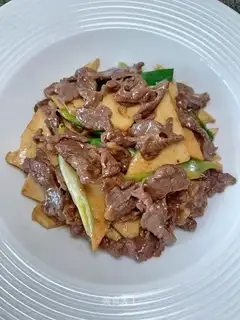
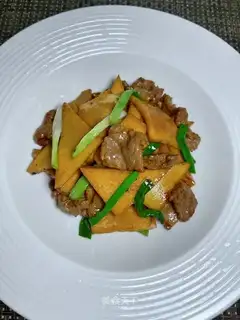
- Stir-fries: Slice it thinly and stir-fry with vegetables, tofu, and a light sauce for a quick, protein-rich meal.
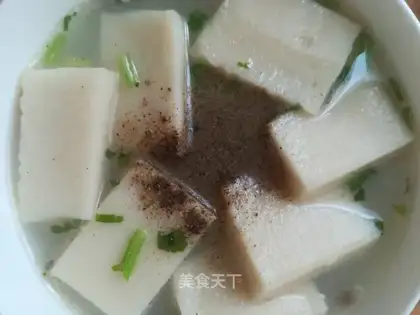
- Soups and Hot Pots: Add it to miso soup, ramen, or hot pot for a silky texture that absorbs flavors beautifully.
- Grilled or Baked: Marinate and grill or bake it for a crispy exterior while keeping the interior tender.
- Salads: Cube it and add to grain bowls or salads for a plant-based protein boost.
- Desserts: In some Asian cuisines, thousand-layer tofu is used in sweet dishes (e.g., tofu pudding) when combined with sugar or fruit.
Conclusion
Thousand-layer tofu is more than just a culinary delight—it is a nutritional powerhouse that supports muscle growth, heart health, weight management, and more. Its high protein content, low calorie count, and abundance of vitamins, minerals, and phytochemicals make it a valuable addition to a balanced diet. While precautions exist for those with allergies, thyroid issues, or specific health conditions, moderate consumption of high-quality, non-GMO thousand-layer tofu can be a cornerstone of a healthy, sustainable lifestyle. As plant-based eating continues to gain popularity, this humble ingredient stands out as a versatile, nutrient-dense choice for people worldwide. Whether you’re a vegan, athlete, or simply someone looking to eat healthier, thousand-layer tofu offers a delicious and effective way to nourish your body.