Introduction
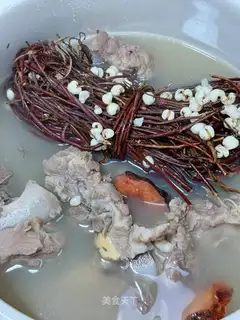
In the vast world of medicinal and culinary herbs, certain plants stand out for their unique combination of nutritional value, therapeutic potential, and cultural significance. Chicken bone grass (Abri herba or Millettia pulchra), a lesser-known but increasingly popular herb in traditional Chinese medicine (TCM) and modern wellness practices, is one such botanical. Named for its wiry, branched stems that resemble chicken bones, this plant has been used for centuries to support liver health, detoxify the body, and alleviate inflammatory conditions. Today, as interest in natural remedies grows, chicken bone grass is gaining recognition for its rich phytochemical profile and evidence-based health benefits. This article explores its nutritional composition, key health benefits, potential side effects, and practical guidelines for safe consumption, offering a comprehensive guide to this versatile herb.
Nutritional Value of Chicken Bone Grass
Chicken bone grass is not just a medicinal herb—it is a nutritional powerhouse packed with bioactive compounds that contribute to its therapeutic effects. While it is not typically consumed as a primary food source like vegetables or grains, its chemical composition makes it a valuable addition to a health-focused diet.
Key Phytochemicals
The primary active constituents of chicken bone grass include:
- Alkaloids: These nitrogen-containing compounds, such as millettosine and abrine, are known for their anti-inflammatory, analgesic, and liver-protective properties.
- Flavonoids: Quercetin, kaempferol, and other flavonoids in chicken bone grass act as potent antioxidants, neutralizing free radicals and reducing oxidative stress.
- Saponins: These compounds exhibit antimicrobial, immune-boosting, and cholesterol-lowering effects.
- Tannins: With their astringent properties, tannins help soothe digestive tract irritation and support wound healing.
- Polysaccharides: Complex carbohydrates in the herb enhance immune function by modulating the activity of macrophages and T-cells.
Vitamins and Minerals
Though not as concentrated as in fruits or vegetables, chicken bone grass contains trace amounts of essential nutrients:
- Vitamin C: Supports immune function and collagen synthesis.
- Vitamin K: Plays a role in blood clotting and bone health.
- Calcium and Magnesium: Contribute to bone density and muscle function.
- Iron: Essential for oxygen transport and energy production.
Unique Bioactive Compounds
What sets chicken bone grass apart is its high concentration of chicken bone grass saponin (CSS), a compound studied for its hepatoprotective (liver-protective) effects. Additionally, its alkaloid profile has been shown to inhibit pro-inflammatory enzymes, such as cyclooxygenase-2 (COX-2), similar to the mechanism of some non-steroidal anti-inflammatory drugs (NSAIDs), but with fewer side effects.
Health Benefits of Chicken Bone Grass
The synergy of phytochemicals in chicken bone grass underpins its wide range of health benefits, particularly for liver health, inflammation management, and immune support. Below are its most well-documented effects:
1. Liver Protection and Detoxification
The liver is the body’s primary detoxification organ, and chicken bone grass has long been revered in TCM as a "liver cleanser." Modern research validates this traditional use:
- Hepatoprotection: Studies show that chicken bone grass extract reduces liver damage caused by toxins (e.g., alcohol, acetaminophen) and viral hepatitis. It inhibits the accumulation of lipid peroxides in liver cells and enhances the activity of antioxidant enzymes like superoxide dismutase (SOD) and glutathione peroxidase (GSH-Px).
- Anti-fibrotic Effects: Chronic liver injury can lead to fibrosis (scarring), a precursor to cirrhosis. Chicken bone grass saponin has been shown to suppress the activation of hepatic stellate cells (key players in fibrosis) and reduce collagen deposition, slowing disease progression.
- Bile Flow Regulation: By promoting bile secretion, the herb aids in fat digestion and the elimination of waste products, reducing the risk of gallstones and fatty liver disease.
2. Anti-Inflammatory and Analgesic Properties
Inflammation is a root cause of many chronic diseases, from arthritis to cardiovascular disease. Chicken bone grass offers natural relief without the side effects of long-term NSAID use:
- COX-2 Inhibition: The herb’s alkaloids and flavonoids block COX-2, an enzyme that triggers pain and inflammation, making it effective for conditions like osteoarthritis and rheumatoid arthritis.
- Cytokine Modulation: It reduces the production of pro-inflammatory cytokines (e.g., TNF-α, IL-6), which are elevated in autoimmune disorders and chronic inflammation.
- Pain Relief: In animal studies, chicken bone grass extract demonstrated analgesic effects comparable to ibuprofen, but with a lower risk of gastric irritation.
3. Immune System Enhancement
Polysaccharides and flavonoids in chicken bone grass stimulate both innate and adaptive immunity:
- Macrophage Activation: The herb enhances the ability of macrophages (immune cells that "eat" pathogens) to engulf and destroy bacteria and viruses.
- Antibody Production: It boosts the activity of B-cells, increasing the production of antibodies that target specific pathogens.
- Stress Reduction: By lowering cortisol (the stress hormone), chicken bone grass indirectly supports immune function, as chronic stress suppresses immunity.
4. Antioxidant and Anti-Aging Effects
Oxidative stress, caused by an imbalance between free radicals and antioxidants, accelerates aging and contributes to diseases like cancer and Alzheimer’s. Chicken bone grass is rich in antioxidants that combat this damage:
- Free Radical Scavenging: Flavonoids like quercetin neutralize free radicals, preventing DNA damage and cell death.
- Mitochondrial Protection: The herb safeguards mitochondria (the cell’s "powerhouses") from oxidative stress, improving energy production and reducing fatigue.
- Skin Health: By reducing oxidative damage and inflammation, chicken bone grass may slow skin aging, improve elasticity, and alleviate conditions like eczema and acne.
5. Digestive Health Support
In TCM, chicken bone grass is used to treat "damp-heat" in the digestive system, a condition characterized by bloating, diarrhea, and indigestion. Modern applications include:
- Gut Barrier Protection: Tannins in the herb strengthen the intestinal lining, reducing permeability ("leaky gut") and preventing the entry of toxins into the bloodstream.
- Antimicrobial Action: It inhibits the growth of harmful gut bacteria (e.g., E. coli, Salmonella) while promoting the growth of beneficial probiotics like Lactobacillus.
- Nausea and Vomiting Relief: Traditional healers use chicken bone grass to alleviate motion sickness and morning pregnancy-related nausea, likely due to its anti-inflammatory effects on the digestive tract.
Potential Side Effects and Contraindications
While chicken bone grass offers numerous health benefits, it is not without risks. Like many medicinal herbs, its safety depends on dosage, duration of use, and individual health status. Below are key precautions:
1. Pregnancy and Breastfeeding
Chicken bone grass stimulates uterine contractions and may disrupt hormonal balance, making it unsafe for pregnant women. It may also pass into breast milk, potentially harming infants. Women in these groups should avoid the herb entirely.
2. Autoimmune Diseases
Due to its immune-boosting effects, chicken bone grass could exacerbate autoimmune conditions like lupus, rheumatoid arthritis, or multiple sclerosis by overactivating the immune system. Individuals with these conditions should consult a healthcare provider before use.
3. Liver and Kidney Disease
While the herb supports liver health, it is metabolized by the liver and excreted by the kidneys. People with severe liver or kidney impairment may experience toxicity if the herb accumulates in the body. A doctor’s supervision is essential for those with organ dysfunction.
4. Drug Interactions
Chicken bone grass may interact with medications, including:
- Blood Thinners: Its anti-inflammatory effects could enhance the effects of anticoagulants (e.g., warfarin), increasing the risk of bleeding.
- Immunosuppressants: Combining it with drugs like cyclosporine may reduce the medication’s efficacy.
- Diabetes Medications: The herb may lower blood sugar levels, requiring adjustments to diabetes drugs to avoid hypoglycemia.
5. Allergic Reactions
Rare cases of allergic reactions (e.g., rash, itching, difficulty breathing) have been reported. Individuals with allergies to plants in the Fabaceae family (e.g., peanuts, soybeans) should exercise caution.
6. Dosage and Duration
Excessive consumption (typically more than 10–15 grams per day) may cause nausea, dizziness, or abdominal pain. Long-term use (beyond 4–6 weeks) is not recommended without medical supervision, as it may lead to electrolyte imbalances or liver strain.
How to Use Chicken Bone Safely
To maximize benefits and minimize risks, follow these guidelines for consuming chicken bone grass:
1. Choose High-Quality Products
Opt for organic, pesticide-free chicken bone grass from reputable suppliers. Look for dried herbs with a greenish-brown color and a strong, aromatic scent—discoloration or mold indicates poor quality.
2. Preparation Methods
- Tea: Steep 5–10 grams of dried chicken bone grass in 500ml of hot water for 10–15 minutes. Strain and drink 2–3 times daily.
- Decoction: Boil 10–15 grams of the herb in water for 20–30 minutes to extract its active compounds. This method is more potent than steeping and is often used for therapeutic purposes.
- Capsules: Commercial supplements (typically 300–500mg per capsule) offer a convenient alternative, but ensure they are standardized to contain key phytochemicals (e.g., saponins).
3. Start with Low Doses
Begin with 5 grams per day and gradually increase to a maximum of 15 grams to assess tolerance. Monitor for side effects such as stomach upset or dizziness.
4. Cycle Usage
To avoid overstimulation the liver or immune system, use chicken bone grass in cycles: 4–6 weeks on, followed by a 1–2 week break.
5. Consult a Healthcare Provider
Before adding chicken bone grass to your regimen, consult a doctor or TCM practitioner, especially if you have underlying health conditions or take medications.
Conclusion
Chicken bone grass is a remarkable herb that bridges the gap between traditional wisdom and modern science. Its rich phytochemical profile—from alkaloids to flavonoids—makes it a valuable tool for supporting liver health, reducing inflammation, and boosting immunity. However, its potent effects also demand respect: proper dosage, awareness of contraindications, and professional guidance are essential to safe use.
As interest in natural remedies continues to grow, chicken bone grass exemplifies how ancient botanicals can offer evidence-based solutions to modern health challenges. Whether consumed as a tea, decoction, or supplement, this herb has the potential to enhance well-being—when used mindfully. By understanding its benefits and risks, individuals can harness the power of chicken bone grass to achieve optimal health, naturally.