For centuries, fern root starch has been a hidden gem in traditional diets across Asia, particularly in China, Japan, and Korea. Derived from the rhizomes of fern species like Dennstaedtia scabra (bracken fern) or Matteuccia struthiopteris (ostrich fern), this edible starch has transitioned from a famine food to a modern health superfood. With its unique texture, mild flavor, and impressive nutritional profile, fern root starch is gaining global recognition. This article explores its nutritional value, health benefits, and important precautions to help consumers incorporate it safely into their diets.
Nutritional Value of Fern Root Starch
Fern root starch is primarily composed of complex carbohydrates, making it a rich source of energy. Unlike refined starches, it contains significant amounts of dietary fiber, which aids digestion and promotes gut health. A 100-gram serving of dried fern root starch provides approximately 80–85 grams of carbohydrates, 6–8 grams of fiber, and 1–2 grams of protein. It is naturally gluten-free, making it an excellent alternative for individuals with celiac disease or gluten sensitivity.
One of the standout features of fern root starch is its mineral content. It is packed with essential minerals, including potassium, magnesium, iron, and calcium. Potassium helps regulate blood pressure and fluid balance, while magnesium supports muscle and nerve function. Iron is crucial for oxygen transport in the blood, and calcium strengthens bones and teeth. Additionally, fern root starch contains trace amounts of zinc and manganese, which play vital roles in immune function and antioxidant defense.
The starch also boasts a unique phytochemical profile. It is rich in polyphenols and flavonoids, compounds known for their antioxidant properties. These substances help neutralize harmful free radicals, reducing oxidative stress and lowering the risk of chronic diseases. Some studies suggest that fern root starch may contain small amounts of vitamin C and B vitamins, though these are typically lost during processing.
Health Benefits of Fern Root Starch
1. Supports Digestive Health
The high fiber content in fern root starch makes it a valuable ally for digestive health. Fiber adds bulk to stool, preventing constipation and promoting regular bowel movements. It also acts as a prebiotic, feeding beneficial gut bacteria and maintaining a healthy microbiome. A balanced gut microbiome is linked to improved immunity, better mood, and reduced inflammation.
2. Regulates Blood Sugar Levels
Fern root starch has a low glycemic index (GI), meaning it causes a slower, more gradual rise in blood sugar compared to high-GI foods like white rice or bread. This makes it suitable for individuals with diabetes or those aiming to manage blood sugar levels. The fiber and complex carbohydrates in the starch slow down the absorption of glucose, preventing spikes and crashes in energy.
3. Promotes Heart Health
The potassium and fiber in fern root starch contribute to cardiovascular health. Potassium counteracts the effects of sodium, helping to lower blood pressure and reduce the risk of hypertension. Fiber, particularly soluble fiber, binds to cholesterol in the digestive system, preventing its absorption and lowering LDL ("bad") cholesterol levels. By improving lipid profiles and reducing blood pressure, fern root starch may lower the risk of heart disease and stroke.
4. Boosts Immunity and Antioxidant Defense
The phytochemicals in fern root starch, such as polyphenols and flavonoids, exhibit strong antioxidant and anti-inflammatory properties. These compounds help protect cells from damage caused by free radicals, which are linked to aging and chronic diseases like cancer and Alzheimer’s. Additionally, the iron and zinc content supports immune function, enhancing the body’s ability to fight infections.
5. Aids in Weight Management
Fern root starch is low in calories and fat but high in fiber, which promotes satiety and reduces appetite. By keeping you feeling full for longer, it can help prevent overeating and support weight loss efforts. Its complex carbohydrates also provide sustained energy, making it a better choice than simple carbs for maintaining a healthy weight.
Precautions and Potential Risks
While fern root starch offers numerous health benefits, it is important to consume it in moderation and with awareness of potential risks.
1. Raw or Undercooked Fern Root is Toxic
Raw or improperly processed fern root contains thiaminase, an enzyme that breaks down vitamin B1 (thiamine), leading to deficiency and neurological issues. Additionally, some fern species, such as bracken (Pteridium aquilinum), contain carcinogenic compounds like ptaquiloside. To ensure safety, fern root must be thoroughly processed: the rhizomes are washed, ground, and repeatedly washed with water to remove toxins before being dried into starch. Commercially available fern root starch is generally safe, but homemade preparations should be avoided unless processed by experts.
2. High in Oxalates
Fern root starch is high in oxalates, compounds that can contribute to kidney stone formation in susceptible individuals. People with a history of kidney stones or oxalate-related kidney issues should limit their intake. Cooking fern root starch can reduce oxalate levels slightly, but it is still advisable to consume it in moderation.
3. Not Suitable for Everyone
Individuals with certain medical conditions should consult a doctor before adding fern root starch to their diet. Pregnant and breastfeeding women, for example, should avoid it due to potential risks from residual toxins. Additionally, those on blood pressure medications should monitor their potassium intake, as the high potassium content in fern root starch may interact with drugs like ACE inhibitors.
4. Allergic Reactions
Although rare, some people may be allergic to fern root starch. Symptoms can include itching, swelling, or digestive discomfort. If you experience adverse reactions after consumption, discontinue use and seek medical advice.
How to Incorporate Fern Root Starch into Your Diet
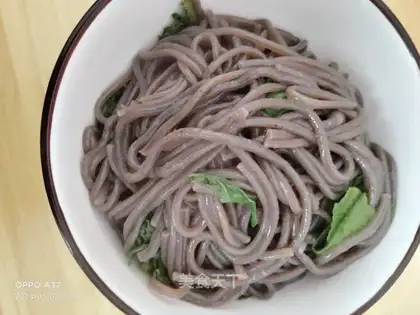
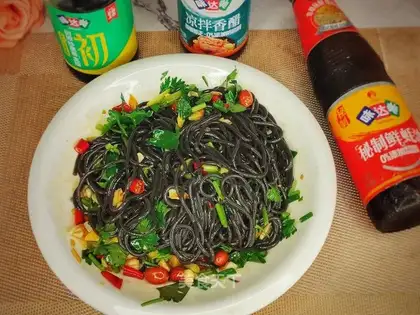
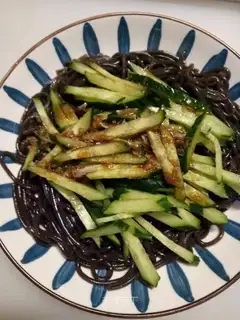
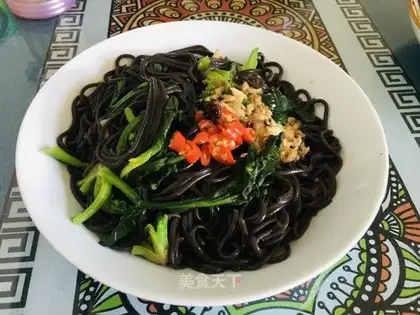
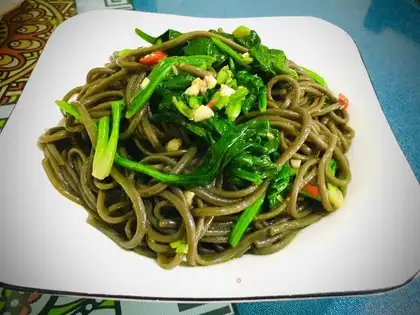
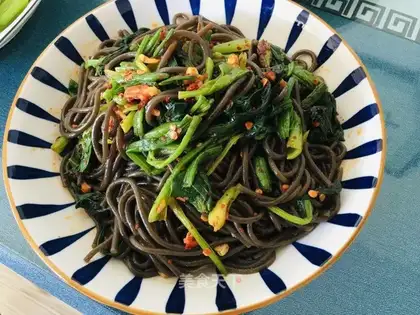
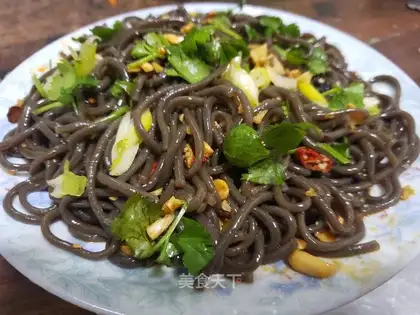
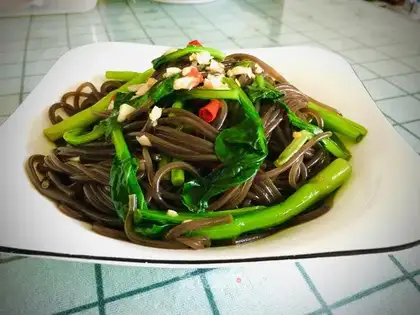
Fern root starch is versatile and can be used in a variety of dishes. Its gelatinous texture makes it ideal for thickening soups, stews, and sauces. In Asian cuisine, it is commonly used to make noodles, jelly-like desserts, or cold salads. For example, in China, "fern root vermicelli" is a popular dish served with spicy sesame sauce, while in Korea, it is used in traditional desserts like dasik (tea cookies).
To prepare fern root starch, it is typically soaked in water until soft, then boiled or stir-fried. It can also be mixed with water to create a gluten-free batter for frying or baking. When purchasing fern root starch, look for reputable brands that guarantee proper processing to ensure safety.
Conclusion
Fern root starch is a nutrient-dense, gluten-free food that offers numerous health benefits, from improved digestion to enhanced immunity. Its high fiber, mineral, and antioxidant content make it a valuable addition to a balanced diet. However, it is crucial to consume it in moderation and ensure it is properly processed to avoid potential risks. By understanding its nutritional value, benefits, and precautions, consumers can enjoy fern root starch as a safe and healthy part of their culinary repertoire. As interest in traditional and functional foods grows, fern root starch is poised to become a staple in health-conscious households worldwide.