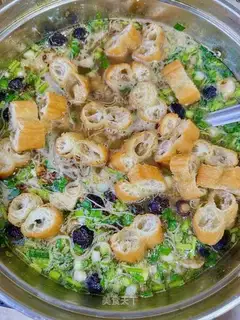
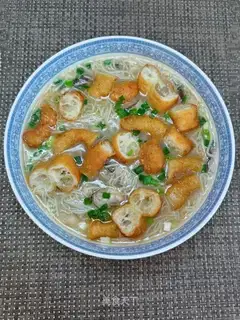
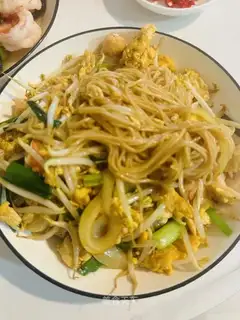
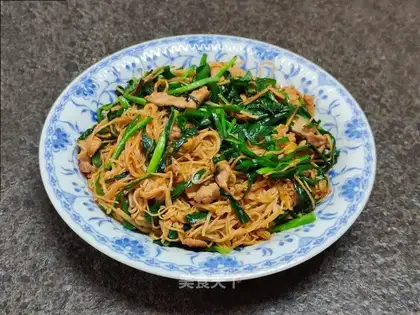
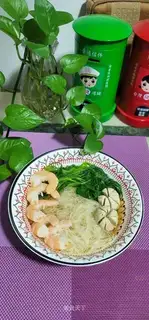
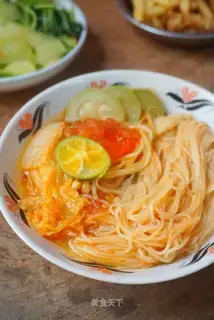
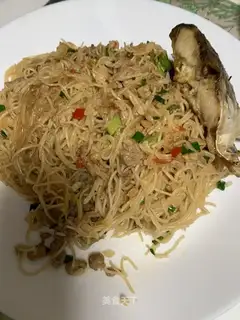
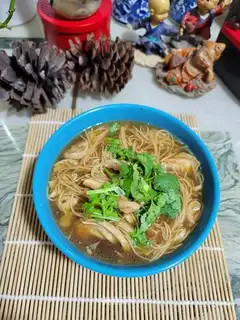
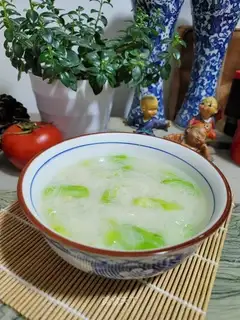
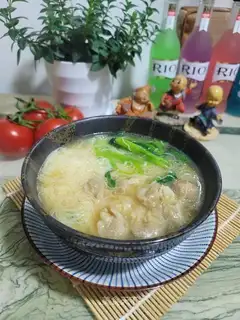
Vermicelli, a delicate and versatile staple in cuisines worldwide, has been cherished for centuries for its subtle flavor, quick cooking time, and ability to absorb the essence of accompanying ingredients. From Asian rice vermicelli in soups and stir-fries to Italian angel hair pasta in classic dishes, this thin noodle form transcends cultural boundaries. Beyond its culinary appeal, vermicelli offers a range of nutritional benefits, though its consumption also requires considerations to align with individual health needs. This article explores the nutritional profile of vermicelli, its health benefits, and potential dietary precautions, providing a comprehensive guide for incorporating it into a balanced diet.
I. Nutritional Value of Vermicelli
Vermicelli is typically made from refined wheat flour, rice, mung beans, or sweet potatoes, with variations in composition based on the primary ingredient. Below is a general breakdown of its nutritional profile per 100-gram serving of cooked wheat-based vermicelli, alongside comparisons to alternative types:
1. Macronutrients
- Carbohydrates: The dominant component, vermicelli is rich in complex carbohydrates, providing approximately 80–85 grams per 100 grams. These carbohydrates serve as the body’s primary energy source, fueling brain function, muscle activity, and metabolic processes.
- Protein: Wheat-based vermicelli contains about 10–12 grams of protein per 100 grams, making it a modest plant-based protein source. However, it lacks essential amino acids like lysine, limiting its protein quality unless paired with complementary protein sources (e.g., legumes, dairy, or meat).
- Fat: Naturally low in fat (0.5–1 gram per 100 grams), vermicelli is a heart-healthy choice when prepared with minimal added oils.
- Dietary Fiber: Refined vermicelli is typically low in fiber (1–2 grams per 100 grams) due to the removal of the bran and germ during processing. Whole-grain or rice-based vermicelli may retain slightly more fiber, aiding digestion and satiety.
2. Micronutrients
- B Vitamins: Enriched wheat vermicelli often contains B vitamins like thiamine (B1), riboflavin (B2), and niacin (B3), which play critical roles in energy metabolism and nervous system health.
- Minerals: It provides small amounts of iron, magnesium, and zinc. Iron is essential for oxygen transport, while magnesium supports muscle and nerve function. However, the mineral content is relatively low compared to whole grains or legumes.
- Sodium: Plain vermicelli is naturally low in sodium, but pre-seasoned or instant varieties may contain added salt, contributing to excessive sodium intake if consumed in large quantities.
3. Ingredient-Specific Variations
- Rice Vermicelli: Made from rice flour, it is gluten-free, lighter in texture, and contains slightly more protein than wheat-based versions. It is a staple in Southeast Asian cuisine, often used in dishes like phở and pad thai.
- Mung Bean Vermicelli: High in protein and fiber, mung bean vermicelli (e.g., glass noodles) is gluten-free and rich in antioxidants, making it a nutrient-dense alternative.
- Sweet Potato Vermicelli: Popular in Korean and Japanese cuisine, it is gluten-free, high in vitamin A (from sweet potatoes), and offers a chewy texture.
II. Health Benefits of Vermicelli
When consumed as part of a balanced diet, vermicelli can contribute to several health benefits, primarily due to its carbohydrate content, ease of digestion, and versatility in pairing with nutrient-rich ingredients.
1. Energy Boost and Physical Performance
The high carbohydrate content in vermicelli makes it an ideal energy source for athletes, active individuals, or those needing quick replenishment. Carbohydrates are broken down into glucose, which is stored as glycogen in muscles and the liver, providing readily available energy during exercise or daily activities. For instance, a bowl of vermicelli soup with vegetables and lean protein can sustain energy levels without causing bloating or heaviness.
2. Digestive Health (When Paired with Fiber-Rich Ingredients)
While refined vermicelli is low in fiber, combining it with high-fiber ingredients—such as vegetables, legumes, or whole-grain toppings—can enhance digestive health. Fiber promotes regular bowel movements, prevents constipation, and supports a healthy gut microbiome. For example, a vermicelli salad with broccoli, carrots, and chickpeas increases fiber intake, aiding digestion and satiety.
3. Weight Management (When Consumed in Moderation)
Vermicelli’s low calorie and fat content make it a suitable option for weight management, provided portion sizes are controlled. A 100-gram serving of cooked vermicelli contains approximately 130–150 calories, making it less calorie-dense than pasta dishes with creamy sauces or meats. Pairing it with lean protein (e.g., grilled chicken, tofu) and vegetables creates a filling, low-calorie meal that supports calorie control.
4. Gluten-Free Options for Sensitive Individuals
For individuals with celiac disease or gluten sensitivity, rice, mung bean, or sweet potato vermicelli offers a safe and delicious alternative to wheat-based noodles. These varieties are naturally gluten-free and can be incorporated into a gluten-free diet without compromising taste or texture.
5. Versatility for Nutrient Enrichment
Vermicelli’s neutral flavor and ability to absorb sauces and broths make it a vehicle for adding nutrients. For example:
- Vermicelli soup with leafy greens (e.g., spinach, bok choy) boosts iron, vitamin K, and folate intake.
- Stir-fried vermicelli with seafood adds omega-3 fatty acids, which support heart and brain health.
- Vermicelli with nuts and seeds (e.g., almonds, chia seeds) increases healthy fats, vitamin E, and magnesium.
III. Precautions and Potential Drawbacks
While vermicelli offers several benefits, excessive or improper consumption may lead to health concerns. Below are key precautions to consider:
1. High Glycemic Index (Refined Varieties)
Refined wheat or rice vermicelli has a high glycemic index (GI), meaning it can cause rapid spikes in blood sugar levels. This is particularly concerning for individuals with diabetes, insulin resistance, or prediabetes. To mitigate this, opt for whole-grain vermicelli (if available) or pair refined vermicelli with protein, healthy fats, and fiber to slow glucose absorption.
2. Low Nutrient Density in Refined Versions
Refined vermicelli is stripped of fiber, vitamins, and minerals during processing, making it less nutrient-dense than whole grains or legumes. Relying heavily on refined vermicelli may lead to deficiencies in essential nutrients like fiber, B vitamins, and iron. Balance intake with whole foods such as fruits, vegetables, and lean proteins to ensure a nutrient-rich diet.
3. Sodium Content in Pre-Seasoned Varieties
Instant or pre-seasoned vermicelli often contains high levels of sodium to enhance flavor. Excessive sodium intake is linked to high blood pressure, heart disease, and stroke. Check nutrition labels and choose low-sodium or plain vermicelli, then season dishes with herbs, spices, or a small amount of salt instead.
4. Gluten Sensitivity and Cross-Contamination
While gluten-free varieties are available, cross-contamination can occur during manufacturing, particularly for those with severe celiac disease. Look for certified gluten-free vermicelli brands and verify production practices to avoid adverse reactions.
5. Portion Control for Calorie Management
Though low in calories, vermicelli is easy to overconsume, especially when served in large portions or paired with calorie-dense sauces (e.g., peanut sauce, creamy Alfredo). Measure portions (typically 40–50 grams of dry vermicelli per person) and prioritize light, vegetable-rich preparations to avoid excess calorie intake.
6. Allergies and Ingredient-Specific Concerns
Some vermicelli varieties may contain allergens:
- Wheat-based vermicelli contains gluten, unsuitable for gluten-sensitive individuals.
- Mung bean vermicelli may trigger allergies in those with legume sensitivities.
- Rice vermicelli is generally allergen-free but may be processed in facilities with common allergens (e.g., nuts, soy). Always read ingredient labels and consult a healthcare provider if unsure.
IV. Incorporating Vermicelli into a Healthy Diet
To maximize the benefits of vermicelli while minimizing risks, consider the following tips:
- Choose Whole-Grain or Gluten-Free Varieties: Opt for brown rice, mung bean, or sweet potato vermicelli for higher fiber and nutrient content.
- Balance Macronutrients: Pair vermicelli with lean protein (e.g., chicken, fish, tofu) and non-starchy vegetables (e.g., bell peppers, zucchini, mushrooms) to create a balanced meal.
- Control Portions: Limit dry vermicelli to 40–50 grams per serving (about 1 cup cooked) to avoid overconsumption.
- Limit Sodium and Added Fats: Use herbs, spices, and low-sodium broths for flavoring, and avoid deep-frying or heavy cream-based sauces.
- Diversify Ingredients: Rotate vermicelli with other whole grains (e.g., quinoa, barley) or noodles (e.g., whole wheat pasta, soba) for a varied nutrient profile.
Conclusion
Vermicelli is a versatile and accessible food that can be part of a healthy diet when consumed mindfully. Its carbohydrate content provides energy, while gluten-free options cater to sensitive individuals. However, refined varieties should be balanced with fiber-rich ingredients, and portion control is key to managing blood sugar and calorie intake. By choosing nutrient-dense pairings and avoiding excessive sodium or additives, vermicelli can transition from a simple staple to a component of a balanced, healthful lifestyle. Whether in a steaming bowl of soup, a crisp salad, or a flavorful stir-fry, vermicelli offers endless possibilities for delicious and nourishing meals.