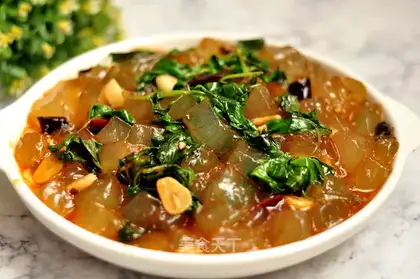
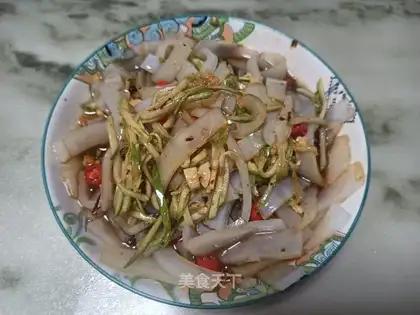
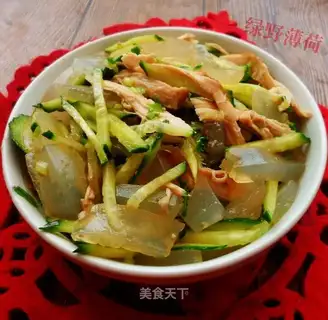
Liangfen, literally "cold powder," is a traditional East and Southeast Asian dish celebrated for its refreshing taste, silky texture, and nutritional versatility. Made from the starch of various sources—most commonly mung beans, sweet potatoes, peas, or rice—liangfen has been a staple in Chinese, Vietnamese, and Burmese cuisines for centuries. Beyond its culinary appeal, liangfen is a nutritional powerhouse, offering a range of health benefits when consumed mindfully. This article explores the nutritional profile of liangfen, its health-promoting properties, and important considerations for safe consumption.
Nutritional Profile of Liangfen
The nutritional value of liangfen varies slightly depending on its primary ingredient, but most varieties share a common foundation of low calories, high fiber, and essential micronutrients.
1. Low in Calories, High in Hydration
Liangfen is over 90% water, making it an exceptionally low-calorie food—typically containing just 30–50 calories per 100 grams. This high water content, combined with its gelatinous texture, makes it highly satiating, aiding in weight management by promoting fullness without excessive caloric intake. For example, mung bean liangfen, a popular variant, is often recommended in weight-loss diets due to its ability to curb hunger while providing minimal energy.
2. Rich in Dietary Fiber
Liangfen is an excellent source of dietary fiber, particularly soluble fiber, which plays a critical role in digestive health. A 100-gram serving of mung bean liangfen provides approximately 2–3 grams of fiber, meeting 8–12% of the daily recommended intake (25 grams for women, 38 grams for men). Soluble fiber forms a gel-like substance in the digestive tract, slowing down carbohydrate absorption, regulating blood sugar levels, and lowering LDL ("bad") cholesterol. This makes liangfen a valuable food for individuals with diabetes or hyperlipidemia.
3. Packed with Essential Minerals
Depending on its base, liangfen can be a good source of key minerals:
- Mung bean liangfen: High in potassium (important for blood pressure regulation), magnesium (supports muscle and nerve function), and iron (prevents anemia).
- Sweet potato liangfen: Rich in manganese (aids in metabolism and antioxidant defense) and calcium (vital for bone health).
- Rice liangfen: Contains selenium, a trace mineral with antioxidant properties that boosts immune function.
4. Gluten-Free and Easily Digestible
As a starch-based product, liangfen is naturally gluten-free, making it a safe and delicious option for individuals with celiac disease or gluten sensitivity. Its soft, smooth texture also makes it easy to digest, which is why it is often recommended for people recovering from illness, the elderly, or children with sensitive stomachs.
5. Low in Protein and Fat
While liangfen is not a significant source of protein or fat, this can be advantageous for those on low-fat or low-protein diets. However, it is often paired with protein-rich toppings (e.g., shredded chicken, tofu, or peanuts) to create a balanced meal.
Health Benefits of Liangfen
Beyond its basic nutritional composition, liangfen offers several evidence-based health benefits, making it more than just a refreshing dish.
1. Supports Digestive Health
The high fiber content in liangfen promotes regular bowel movements and prevents constipation. Soluble fiber also acts as a prebiotic, nourishing beneficial gut bacteria (such as Bifidobacterium and Lactobacillus), which are essential for a healthy gut microbiome. A balanced gut microbiome is linked to improved immunity, reduced inflammation, and even better mental health.
2. Aids in Weight Management
Liangfen’s low calorie and high water content make it an ideal food for weight control. When consumed as part of a meal, it displaces higher-calorie foods while providing volume and satisfaction. For instance, replacing a calorie-dense appetizer with a serving of liangfen can reduce overall calorie intake without sacrificing fullness.
3. Regulates Blood Sugar Levels
The soluble fiber in liangfen slows the digestion and absorption of sugars, preventing rapid spikes in blood glucose after meals. This is particularly beneficial for individuals with type 2 diabetes or those at risk of developing the condition. Studies have shown that diets rich in soluble fiber can improve insulin sensitivity and reduce long-term blood sugar management challenges.
4. Promotes Heart Health
Liangfen’s fiber and mineral content contribute to cardiovascular wellness. Potassium helps counteract the effects of sodium, lowering blood pressure, while soluble fiber reduces LDL cholesterol and triglycerides. Additionally, mung bean liangfen contains saponins, compounds that may inhibit cholesterol absorption in the gut, further supporting heart health.
5. Hydration and Detoxification
With its high water content, liangfen helps maintain hydration, especially during hot weather or after exercise. In traditional medicine, it is also believed to have "detoxifying" properties, aiding in the elimination of heat and toxins from the body. While modern science does not confirm "detox" claims, adequate hydration is essential for kidney function and overall detoxification processes.
6. Antioxidant and Anti-Inflammatory Properties
Mung bean and sweet potato liangfen contain antioxidants such as flavonoids and polyphenols, which neutralize harmful free radicals and reduce oxidative stress. Chronic oxidative stress is linked to aging, chronic diseases (e.g., cancer, diabetes), and inflammation. By incorporating liangfen into the diet, individuals may lower their risk of these conditions.
Precautions and Potential Side Effects
While liangfen is generally safe for most people, certain precautions must be taken to avoid adverse effects.
1. Avoid Raw or Undercooked Liangfen
Commercially produced liangfen is typically pre-cooked and safe to eat cold. However, homemade liangfen must be thoroughly cooked to eliminate the risk of foodborne illness. Raw starches may contain anti-nutrients (e.g., lectins) or bacteria that can cause digestive upset or poisoning. Always ensure liangfen is prepared and stored hygienically.
2. Individuals with Kidney Disease Should Limit Intake
Liangfen is high in potassium, which is beneficial for most people. However, individuals with chronic kidney disease (CKD) may struggle to excrete excess potassium, leading to hyperkalemia (high potassium levels in the blood), which can cause irregular heartbeats or cardiac arrest. Such individuals should consult a doctor before consuming liangfen regularly.
3. Beware of Contaminated Varieties
In some regions, liangfen may be adulterated with non-food additives (e.g., industrial-grade alum) to enhance its texture. These additives can be toxic and pose serious health risks. Always purchase liangfen from reputable sources and check for natural ingredients (e.g., starch, water, and minimal additives).
4. Moderate Consumption for Those with Digestive Sensitivities
While liangfen is easy to digest for most people, excessive consumption may cause bloating or gas in individuals with irritable bowel syndrome (IBS) or other digestive disorders. This is due to its high fiber content, which can ferment in the gut and produce gas. Start with small portions to assess tolerance.
5. Pairing with Balanced Nutrients
Liangfen is not nutritionally complete on its own. Relying too heavily on it may lead to deficiencies in protein, healthy fats, and certain vitamins. To create a balanced meal, pair liangfen with protein sources (e.g., tofu, lean meat, or legumes), healthy fats (e.g., sesame oil, peanuts), and vegetables (e.g., cucumber, bean sprouts).
Culinary Uses and Global Variations
Liangfen’s versatility extends beyond its health benefits; it is a beloved ingredient in diverse cuisines:
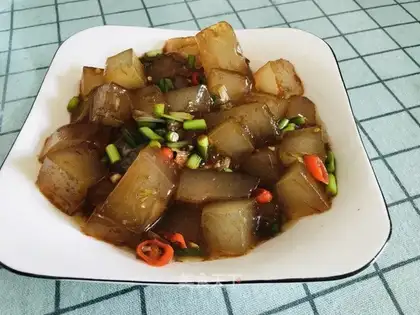
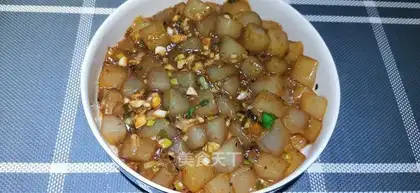
- China: In Sichuan, "liangfen" is served with chili oil, garlic, vinegar, and peanuts, creating a spicy and tangy dish. In northern China, it is often paired with soy sauce, sesame paste, and shredded vegetables.
- Vietnam: "Bún" (rice vermicelli, similar to liangfen) is a key component of pho and fresh spring rolls, served with herbs, fish sauce, and grilled meats.
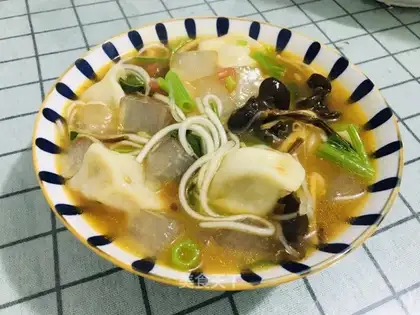
- Burma: "Mont di" is a traditional dish where rice liangfen is topped with a tangy fish-based sauce, chickpeas, and noodles.
These variations highlight liangfen’s ability to adapt to different flavor profiles while retaining its nutritional value.
Conclusion
Liangfen is more than just a refreshing summer dish—it is a nutritional gem that supports digestion, weight management, heart health, and hydration. Its low calorie, high fiber, and gluten-free nature makes it accessible to a wide range of individuals, from health enthusiasts to those with dietary restrictions. However, like any food, it should be consumed in moderation and with awareness of potential risks, especially for those with kidney issues or digestive sensitivities. By incorporating liangfen into a balanced diet, one can enjoy its culinary delights while reaping its numerous health benefits. As the saying goes, "Food is medicine," and liangfen exemplifies this principle perfectly—simple, versatile, and nourishing.