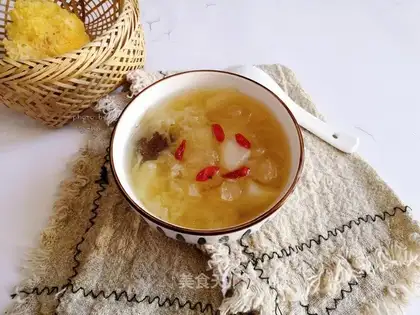
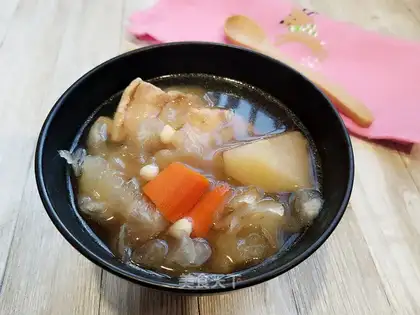
Among the myriad fruits that grace orchards and markets worldwide, the Chinese pear—commonly known as the ya li or duck pear—stands out for its crisp texture, subtle sweetness, and remarkable versatility. Belonging to the species Pyrus ussuriensis, this golden-green or yellow-skinned fruit has been cultivated in China for over 3,000 years, valued not only for its refreshing taste but also for its medicinal properties. Today, as global interest in functional foods grows, the Chinese pear is gaining recognition for its impressive nutritional profile, diverse health benefits, and role in traditional and modern wellness practices. This article explores the nutritional value of Chinese pears, their scientifically supported health benefits, and important precautions to ensure safe consumption.
Nutritional Value: A Low-Calorie Nutrient-Rich Fruit
Chinese pears are a nutritional treasure trove, offering a wealth of vitamins, minerals, fiber, and antioxidants while remaining low in calories. A medium-sized pear (approximately 178 grams) contains roughly 80–100 calories, making it an ideal snack for weight-conscious individuals. Its nutritional composition is as follows:
1. Carbohydrates and Fiber
The primary component of Chinese pears is water (about 85–90%), which contributes to its hydrating properties. The remaining 10–15% consists mainly of carbohydrates, primarily in the form of natural sugars (fructose, glucose, and sucrose), which provide a quick yet sustained energy boost. What sets pears apart is their high fiber content: a medium pear provides about 6 grams of fiber, meeting nearly 24% of the daily recommended intake (25 grams for women, 38 grams for men). This fiber includes both soluble (pectin) and insoluble (cellulose) types, which are critical for digestive health.
2. Vitamins
Chinese pears are an excellent source of essential vitamins, particularly vitamin C (ascorbic acid). A medium pear supplies approximately 10–12 milligrams of vitamin C, about 13–16% of the daily recommended value. Vitamin C is a potent antioxidant that supports immune function, collagen synthesis, and skin health. Additionally, pears contain small amounts of vitamin K (important for blood clotting and bone health), vitamin A (in the form of beta-carotene, beneficial for vision and immunity), and B vitamins (such as folate, which aids cell division and DNA synthesis).
3. Minerals
While not as mineral-dense as some other fruits, Chinese pears still contribute valuable micronutrients. They provide potassium (about 200 mg per medium pear), which helps regulate blood pressure by balancing sodium levels and supporting proper muscle and nerve function. Pears also contain small amounts of copper (essential for iron absorption and energy production), manganese (important for antioxidant defense), and magnesium (involved in over 300 biochemical reactions in the body).
4. Antioxidants and Phytochemicals
One of the most compelling aspects of Chinese pears is their high antioxidant content. These compounds neutralize harmful free radicals, reducing oxidative stress and lowering the risk of chronic diseases. Key antioxidants in pears include:
- Phenolic compounds: Such as chlorogenic acid and catechins, which have anti-inflammatory and cardioprotective effects.
- Flavonoids: Including quercetin, which has been linked to reduced inflammation, improved heart health, and enhanced immune function.
- Hydroxycinnamic acids: These compounds may help protect against certain cancers and neurodegenerative diseases.
Health Benefits: From Digestion to Immunity
The combination of vitamins, minerals, fiber, and antioxidants in Chinese pears translates to a wide range of health benefits, supported by both traditional Chinese medicine (TCM) and modern scientific research.
1. Supports Digestive Health
Fiber is the cornerstone of digestive health, and Chinese pears excel in this regard. The soluble fiber pectin acts as a prebiotic, feeding beneficial gut bacteria and promoting a balanced microbiome. Insoluble fiber, on the other hand, adds bulk to stool and prevents constipation by speeding up the passage of food through the digestive tract. For individuals with sensitive digestive systems, pears are often recommended as a gentle, easy-to-digest fruit. In TCM, pears are considered "cooling" and are used to alleviate digestive discomfort, such as bloating and indigestion.
2. Hydration and Detoxification
With over 85% water content, Chinese pears are an excellent natural hydrant, especially during hot weather or after exercise. Proper hydration is essential for kidney function, as it helps flush out toxins and waste products through urine. The fruit’s mild diuretic properties further support detoxification by increasing urine output without straining the kidneys.
3. Boosts Immune Function
The high vitamin C content in Chinese pears plays a pivotal role in immune health. Vitamin C stimulates the production and function of white blood cells, which are the body’s primary defense against infections. Additionally, antioxidants like quercetin and flavonoids reduce inflammation and enhance the activity of immune cells. Regular consumption of pears may help reduce the duration and severity of colds and flu, particularly in vulnerable populations such as children and the elderly.
4. Promotes Heart Health
Heart disease is a leading global cause of death, and dietary choices play a critical role in prevention. Chinese pears contribute to heart health in multiple ways:
- Potassium: Helps lower blood pressure by counteracting the effects of sodium, a major risk factor for hypertension.
- Fiber: Lowers levels of LDL ("bad") cholesterol by binding to bile acids in the digestive tract and promoting their excretion.
- Antioxidants: Reduce oxidative stress in blood vessels, preventing the formation of plaque that can lead to atherosclerosis.
Studies have shown that regular fruit consumption, including pears, is associated with a 15–20% lower risk of stroke and heart disease.
5. Aids in Weight Management
For individuals aiming to lose or maintain weight, Chinese pears are an ideal snack. Their low calorie and high water content create a feeling of fullness (satiety), reducing the likelihood of overeating. The fiber in pears slows digestion, stabilizing blood sugar levels and preventing energy crashes that often lead to cravings for unhealthy snacks. Unlike processed snacks, pears provide essential nutrients without adding excessive calories or unhealthy fats.
6. Potential Anti-Cancer Properties
While no food can cure cancer, the antioxidants and phytochemicals in Chinese pears may help reduce the risk of cancer development. Quercetin, in particular, has been studied for its ability to inhibit the growth of cancer cells and induce apoptosis (programmed cell death) in tumors. Test-tube and animal studies suggest that pear extracts may be effective against breast, colon, and lung cancers, though human clinical trials are needed to confirm these effects.
7. Supports Respiratory Health
In TCM, Chinese pears have long been used to treat respiratory ailments such as coughs, sore throats, and bronchitis. The fruit’s cooling and moistening properties are believed to soothe irritated mucous membranes, while its antioxidants reduce inflammation in the airways. Modern research supports this use: a 2018 study published in Nutrients found that regular fruit consumption, including pears, was associated with a lower risk of chronic obstructive pulmonary disease (COPD) due to their high antioxidant content.
Consumption Precautions: Who Should Be Cautious?
While Chinese pears are generally safe for most people, certain precautions should be taken to avoid adverse effects.
1. High Sugar Content
Although the sugars in pears are natural, individuals with diabetes or insulin resistance should consume them in moderation. The fruit’s high glycemic index (GI) of around 38 (low to moderate) means it can cause a gradual rise in blood sugar, but portion control is still advised. A medium-sized pear is a reasonable serving, and pairing it with a protein source (such as nuts) can further stabilize blood sugar levels.
2. Allergic Reactions
Allergies to pears are rare but can occur, particularly in individuals with pollen-food allergy syndrome (PFAS), also known as oral allergy syndrome. PFAS is caused by cross-reactivity between proteins in pollen (such as birch pollen) and similar proteins in fruits like pears. Symptoms typically include itching or swelling of the mouth, lips, or tongue, and are usually mild. In severe cases, pear allergies can trigger anaphylaxis, a life-threatening reaction requiring immediate medical attention. Individuals with known pollen allergies should introduce pears gradually and monitor for symptoms.
3. Pesticide Residues
Like many conventionally grown fruits, pears may contain pesticide residues. To minimize exposure, it is advisable to wash pears thoroughly under running water or opt for organic varieties, which are grown without synthetic pesticides. Peeling the fruit can further reduce pesticide intake, though this also removes some fiber and nutrients.
4. Oxalates and Kidney Stones
Pears contain oxalates, naturally occurring compounds that can contribute to the formation of kidney stones in susceptible individuals. Those with a history of calcium oxalate kidney stones should limit their intake of high-oxalate foods, including pears. However, for most people, the oxalate content in pears is not a concern, especially when consumed as part of a balanced diet.
5. Interaction with Medications
Pears contain vitamin K, which plays a role in blood clotting. Individuals taking blood-thinning medications (such as warfarin) should maintain consistent vitamin K intake to avoid interactions. While moderate pear consumption is unlikely to cause issues, sudden large increases in vitamin K-rich foods can alter the effectiveness of such medications. Consulting a healthcare provider is recommended for those on long-term medication.
Conclusion: A Timeless Superfruit for Modern Health
The Chinese pear, with its delicate flavor and impressive nutritional profile, is far more than a simple fruit—it is a functional food that bridges the gap between culinary pleasure and therapeutic benefit. From supporting digestion and heart health to boosting immunity and aiding weight management, its versatility makes it a valuable addition to any diet. While precautions exist for specific populations, the vast majority of people can enjoy Chinese pears as part of a healthy, balanced lifestyle.
As research continues to uncover the phytochemical wonders of this ancient fruit, its global popularity is likely to grow. Whether eaten fresh, juiced, or cooked into soups and desserts, the Chinese pear remains a testament to the power of nature to nourish and heal—a true superfruit for the ages.