Cashew nuts, often hailed as the "queen of nuts," are more than just a delicious snack. These kidney-shaped nuts, native to Brazil but now cultivated widely in tropical regions like India, Vietnam, and Nigeria, have been a staple in global cuisine for centuries. Beyond their rich, buttery flavor and satisfying crunch, cashews pack a impressive nutritional profile and offer a range of health benefits. However, like all foods, they must be consumed in moderation and with awareness of potential risks. This article explores the nutritional value of cashews, their proven health benefits, and important precautions to consider when incorporating them into your diet.
I. Nutritional Value of Cashew Nuts
Cashews are nutrient-dense, providing a balanced mix of macronutrients, vitamins, and minerals that support overall health. A 1-ounce (28-gram) serving of unsalted, dry-roasted cashews contains approximately:
- Calories: 157 kcal
- Protein: 5 grams
- Fat: 12 grams (mostly unsaturated fats)
- Carbohydrates: 9 grams (including 1 gram of fiber)
- Key Minerals: Copper (31% of Daily Value, DV), Magnesium (20% DV), Manganese (20% DV), Phosphorus (15% DV), Iron (10% DV), and Zinc (10% DV)
- Vitamins: Vitamin K (12% DV), Vitamin B6 (10% DV), and Thiamine (10% DV)
- Antioxidants: Zeaxanthin, lutein, and proanthocyanidins
1. Healthy Fats
Cashews are rich in monounsaturated and polyunsaturated fats, particularly oleic acid (the same healthy fat found in olive oil). These fats help lower LDL ("bad") cholesterol while increasing HDL ("good") cholesterol, supporting heart health. Unlike saturated fats, which are linked to inflammation and cardiovascular disease, unsaturated fats in cashews promote anti-inflammatory processes and improve blood lipid profiles.
2. Plant-Based Protein
Cashews are an excellent source of plant-based protein, making them a valuable addition to vegetarian and vegan diets. Protein is essential for muscle repair, immune function, and hormone production. While cashews lack some essential amino acids (like methionine), combining them with whole grains or legumes creates a complete protein profile.
3. Micronutrient Powerhouse
Cashews are particularly high in copper, a mineral critical for energy production, iron metabolism, and brain health. Copper also acts as an antioxidant, protecting cells from oxidative damage. Magnesium, another key mineral in cashews, supports over 300 biochemical reactions in the body, including muscle and nerve function, blood sugar regulation, and blood pressure control.
4. Antioxidants
Cashews contain antioxidants like zeaxanthin and lutein, which accumulate in the eyes and protect against age-related macular degeneration (AMD) and cataracts. Proanthocyanidins, another antioxidant in cashews, have been shown to have anti-inflammatory and anti-cancer properties.
II. Health Benefits of Cashew Nuts
The unique nutritional composition of cashews translates into a range of evidence-based health benefits, from heart health to blood sugar control.
1. Supports Heart Health
Regular consumption of cashews is associated with a reduced risk of cardiovascular disease. The unsaturated fats in cashews lower LDL cholesterol and triglycerides while maintaining HDL cholesterol levels. Additionally, cashews are rich in magnesium, which helps relax blood vessels and regulate blood pressure. A 2018 study published in the Journal of Nutrition found that adults who ate cashews regularly had a lower risk of hypertension and metabolic syndrome.
2. Aids in Weight Management
Despite being calorie-dense, cashews can support weight loss when consumed in moderation. The combination of protein, fiber, and healthy fats increases satiety, reducing overall calorie intake. A 2021 study in Obesity Reviews found that nut consumption, including cashews, was associated with a lower body mass index (BMI) and reduced risk of obesity. The fiber in cashews also promotes gut health by feeding beneficial gut bacteria.
3. Regulates Blood Sugar Levels
Cashews have a low glycemic index (GI) and are rich in magnesium, which enhances insulin sensitivity. This makes them a suitable snack for people with diabetes or those at risk of developing the condition. Research published in Diabetes Care showed that replacing refined carbohydrates with cashews improved blood sugar control in individuals with type 2 diabetes.
4. Strengthens Bones and Teeth
Cashews are a good source of magnesium, phosphorus, and calcium, all of which are essential for bone health. Magnesium helps the body absorb and retain calcium, while phosphorus contributes to bone structure. A 2016 study in The American Journal of Clinical Nutrition found that higher magnesium intake was associated with a higher bone mineral density, reducing the risk of osteoporosis.
5. Boosts Brain Function
The copper and magnesium in cashews play a key role in brain health. Copper aids in the production of neurotransmitters like dopamine and norepinephrine, which regulate mood and focus. Magnesium, on the other hand, protects against age-related cognitive decline by reducing inflammation and oxidative stress in the brain. A 2020 study in Nutrients linked cashew consumption to improved memory and learning abilities in older adults.
6. Enhances Immune Function
Cashews are rich in zinc, a mineral critical for immune cell development and function. Zinc helps the body fight off infections and supports wound healing. A 1-ounce serving of cashews provides 10% of the DV for zinc, making it a valuable dietary source for immune support.
III. Precautions and Potential Risks
While cashews offer numerous health benefits, they must be consumed with caution due to potential allergens, calorie density, and anti-nutrients.
1. Cashew Allergies
Cashew allergies are one of the most common food allergies, particularly in children. Allergic reactions can range from mild (hives, itching) to severe (anaphylaxis, difficulty breathing). If you have a known tree nut allergy, avoid cashews entirely. Even small traces of cashew in processed foods can trigger reactions in sensitive individuals.
2. High Calorie Density
Cashews are calorie-dense, with 157 kcal per ounce. Overconsumption can lead to weight gain, especially if not balanced with physical activity. A single serving of cashews (about 18 nuts) is recommended to avoid excessive calorie intake.
3. Sodium Content in Roasted Cashews
Many commercially roasted cashews are high in sodium due to added salt for flavor. Excess sodium intake is linked to high blood pressure and cardiovascular disease. Opt for unsalted, raw, or dry-roasted cashews to minimize sodium intake.
4. Anti-Nutrients in Raw Cashews
Raw cashews contain urushiol, a toxic compound also found in poison ivy, which can cause skin rashes and digestive issues if consumed in large quantities. However, commercially sold cashews are typically steamed or roasted to remove urushiol, making them safe to eat. Avoid purchasing raw, unprocessed cashews from untrusted sources.
5. Interactions with Medications
Cashews may interact with certain medications, particularly blood thinners like warfarin. The high vitamin K content in cashews can counteract the effects of warfarin, increasing the risk of blood clots. If you are taking blood thinners, consult your doctor before adding cashews to your diet.
IV. How to Incorporate Cashews into Your Diet
Cashews are versatile and can be enjoyed in various forms:
- Snacking: A small handful of unsalted cashews makes a healthy snack.
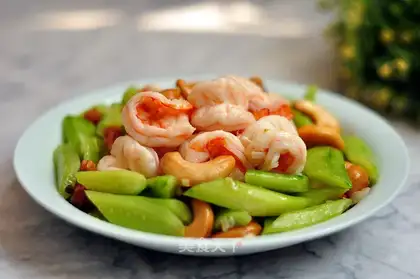
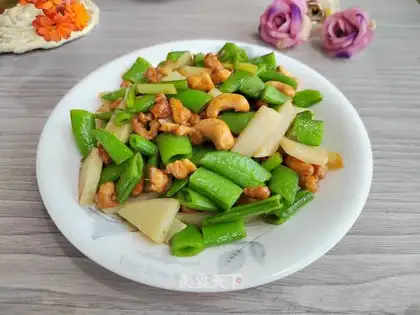
- Cooking: Add cashews to stir-fries, curries, or salads for crunch and flavor.
- Baking: Use cashew flour as a gluten-free alternative in baking.
- Desserts: Blend cashews into smoothies or use them to make dairy-free cashew cream.
- Butters: Cashew butter is a nutritious alternative to peanut butter, rich in healthy fats and protein.
Conclusion
Cashew nuts are a nutritional powerhouse, offering a wealth of health benefits from heart health to immune support. Their rich content of healthy fats, protein, vitamins, and minerals makes them a valuable addition to a balanced diet. However, moderation is key—stick to a single serving (1 ounce) per day to avoid excessive calorie intake, and choose unsalted, raw, or dry-roasted varieties for optimal health. For individuals with allergies or specific medical conditions, consulting a healthcare professional before consuming cashews is essential. When enjoyed mindfully, cashews can be a delicious and nutritious part of a healthy lifestyle.