Chestnuts, often called the "nuts of the woods," have been a dietary staple and cultural symbol in civilizations across the globe for millennia. Unlike other tree nuts, chestnuts have a unique nutritional profile, low in fat and rich in carbohydrates, fiber, vitamins, and minerals. Their sweet, earthy flavor and versatile culinary applications have made them a beloved ingredient in both sweet and savory dishes. Beyond their taste, chestnuts offer a myriad of health benefits, from supporting heart health to aiding digestion. However, like all foods, they must be consumed mindfully to avoid potential side effects. This article explores the nutritional value of chestnuts, their proven health benefits, and important precautions to consider when incorporating them into your diet.
I. Nutritional Profile of Chestnuts
Chestnuts stand out among nuts for their distinctive composition. While most nuts are high in oil and calories, chestnuts are approximately 50% water, 40% carbohydrates, and just 3% fat—making them the lowest-fat nut variety. This low-fat content, combined with their high fiber and complex carbohydrate levels, makes them a satisfying, energy-boosting food without the caloric density of almonds, walnuts, or pecans.
A 100-gram serving of raw chestnuts (about 5–6 nuts) provides approximately:
- Calories: 190 kcal
- Carbohydrates: 44 grams (8 grams of fiber, 14 grams of natural sugars)
- Protein: 4 grams
- Fat: 1 gram (predominantly heart-healthy unsaturated fats)
- Vitamins: Vitamin C (43 mg, 72% of the Daily Value), Vitamin B6 (0.5 mg), Folate (58 mcg), and Thiamine (0.2 mg)
- Minerals: Potassium (460 mg), Magnesium (80 mg), Manganese (1.5 mg), Copper (0.4 mg), and Iron (1.5 mg)
- Antioxidants: Gallic acid, ellagic acid, and tannins, which combat oxidative stress
Notably, chestnuts are one of the few nuts that contain significant amounts of vitamin C, an antioxidant crucial for immune function, skin health, and collagen synthesis. This sets them apart from most other nuts, which are devoid of this vitamin. Their high potassium content also supports blood pressure regulation, while fiber promotes digestive health and satiety.
II. Health Benefits of Chestnuts
The nutritional composition of chestnuts translates to a range of evidence-based health benefits. From cardiovascular support to blood sugar control, these nuts offer a holistic boost to well-being.
1. Supports Heart Health
Chestnuts are a heart-healthy food due to their low saturated fat content and high levels of potassium and fiber. Potassium helps counteract the effects of sodium, reducing blood pressure and lowering the risk of hypertension—a major risk factor for heart disease. The fiber in chestnuts also lowers LDL ("bad") cholesterol by binding to bile acids in the digestive system, promoting their excretion and reducing cholesterol absorption. Additionally, the antioxidants in chestnuts, such as ellagic acid, prevent the oxidation of LDL cholesterol, a key step in the development of atherosclerosis (hardening of the arteries).
2. Aids Digestive Health
With 8 grams of fiber per 100-gram serving, chestnuts are an excellent food for digestive wellness. Fiber adds bulk to stool, preventing constipation and promoting regular bowel movements. It also acts as a prebiotic, feeding beneficial gut bacteria and supporting a healthy microbiome. A healthy gut microbiome is linked to improved immunity, reduced inflammation, and even mental health benefits. For individuals with digestive sensitivities, chestnuts are easier to digest than other nuts due to their low fat and high water content.
3. Regulates Blood Sugar Levels
Chestnuts have a low glycemic index (GI) of 54, meaning they cause a slow, gradual rise in blood sugar rather than a spike. This is attributed to their high fiber and complex carbohydrate content, which slows digestion and glucose absorption. For people with diabetes or those at risk of blood sugar imbalances, chestnuts are a smart alternative to refined grains like white bread or pasta. Studies suggest that regular consumption of low-GI foods may reduce the risk of type 2 diabetes and improve insulin sensitivity.
4. Boosts Immune Function
The high vitamin C content in chestnuts (72% of the DV per 100 grams) makes them a potent immune booster. Vitamin C stimulates the production of white blood cells, which are essential for fighting infections. It also acts as an antioxidant, protecting immune cells from damage by free radicals. For example, just 100 grams of chestnuts provide more vitamin C than a medium-sized orange, making them an excellent choice for seasonal immune support.
5. Enhances Energy and Exercise Performance
Chestnuts are a rich source of complex carbohydrates, the body’s primary source of energy. Unlike simple sugars, which cause energy crashes, complex carbohydrates provide sustained energy release, making chestnuts an ideal pre-workout snack. Their potassium content also plays a role in muscle function—potassium helps prevent cramps by regulating electrolyte balance during exercise. Additionally, the B vitamins in chestnuts (such as B6 and thiamine) convert food into energy, supporting overall metabolic health.
6. Promotes Skin and Bone Health
The combination of vitamin C, copper, and manganese in chestnuts benefits both skin and bones. Vitamin C is essential for collagen synthesis, a protein that maintains skin elasticity and reduces wrinkles. Copper and manganese, meanwhile, support the production of enzymes that build and repair bone tissue. Regular consumption of chestnuts may help prevent age-related bone loss and keep skin youthful and resilient.
III. Culinary Uses and Preparation Tips
Chestnuts are incredibly versatile in the kitchen, and their preparation method can significantly impact their nutritional value and digestibility.
1. Raw vs. Cooked Chestnuts
Raw chestnuts contain tannins and enzyme inhibitors that can make them difficult to digest and reduce nutrient absorption. Cooking chestnuts—whether by roasting, boiling, or steaming—neutralizes these compounds and enhances their flavor. Roasting, in particular, brings out their natural sweetness and makes the skin easy to peel.
2. Common Culinary Applications
- Roasted Chestnuts: A classic winter snack, roasted chestnuts are often sold at holiday markets. To prepare, score the skin with a knife, bake at 200°C (400°F) for 15–20 minutes, and peel while hot.
- Chestnut Flour: Made from dried, ground chestnuts, chestnut flour is gluten-free and ideal for baking bread, cakes, and pancakes. It adds a nutty flavor and moist texture to dishes.
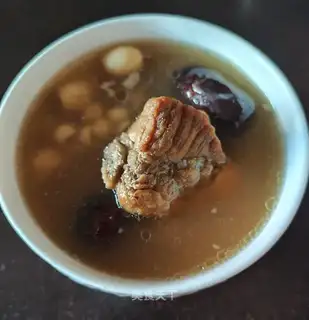
- Soups and Stews: Chestnuts pair well with root vegetables like carrots, parsnips, and mushrooms. They add creaminess and depth to dishes such as chestnut and mushroom soup or wild game stew.
- Desserts: Candied chestnuts (marrons glacés) are a popular delicacy, while chestnut purée is used in tarts, mousses, and ice cream.
3. Storage Tips
Fresh chestnuts are perishable and should be stored in the refrigerator for up to one week or frozen for up to six months. Dried chestnuts or chestnut flour have a longer shelf life and can be kept in a cool, dark place for several months.
IV. Precautions and Potential Side Effects
While chestnuts are highly nutritious, certain precautions must be taken to avoid adverse effects.
1. Allergies
Chestnut allergies are relatively rare but can be severe, causing symptoms such as itching, swelling, difficulty breathing, and anaphylaxis. Individuals with tree nut allergies (e.g., to almonds or walnuts) may be at higher risk and should consult an allergist before consuming chestnuts.
2. High Carbohydrate Content
Due to their high carbohydrate content, chestnuts should be consumed in moderation by individuals following low-carb or ketogenic diets. A single serving (5–6 nuts) contains 44 grams of carbs, which may exceed daily carb limits for these diets.
3. Oxalates and Kidney Stones
Chestnuts contain oxalates, compounds that can contribute to kidney stone formation in susceptible individuals. Those with a history of calcium oxalate kidney stones should limit their intake and consult a healthcare provider.
4. Proper Preparation
As mentioned earlier, raw chestnuts can be difficult to digest and may cause bloating or stomach discomfort. Always cook chestnuts thoroughly before eating, and avoid consuming spoiled or moldy nuts, which can contain harmful toxins.
5. Pesticide Residues
Conventionally grown chestnuts may be treated with pesticides to prevent pests. To minimize exposure, opt for organic chestnuts when possible, or wash them thoroughly before consumption.
V. Conclusion
Chestnuts are a nutritional powerhouse, offering a unique blend of low fat, high fiber, vitamins, and minerals that support heart health, digestion, immunity, and more. Their versatility in the kitchen—from roasted snacks to gluten-free flour—makes them a valuable addition to any diet. However, like all foods, they should be consumed in moderation and prepared properly to maximize benefits and minimize risks. Whether enjoyed as a winter treat, a hearty soup ingredient, or a flour substitute for baking, chestnuts are a delicious and nutritious choice that bridges tradition and wellness. By understanding their nutritional value and taking simple precautions, anyone can harness the health benefits of this humble yet remarkable nut.