In the world of medicinal herbs and superfoods, certain ingredients stand out for their unique balance of tradition and modern health science. Prince Ginseng (Pseudostellaria heterophylla), often called "Tai Zi Shen" in Chinese, is one such gem. Revered in Traditional Chinese Medicine (TCM) for centuries and increasingly studied by Western science, this small, root-based herb has earned a reputation as a gentle yet potent adaptogen. Unlike its more famous cousin, Korean ginseng (Panax ginseng), Prince Ginseng is milder in nature, making it suitable for a wider range of people, including children and the elderly. This article explores the nutritional profile of Prince Ginseng, its evidence-based health benefits, culinary applications, and important precautions to ensure safe and effective use.
I. Nutritional Profile of Prince Ginseng
Prince Ginseng is a low-calorie, nutrient-dense root vegetable packed with bioactive compounds that contribute to its therapeutic value. While it is not as calorie-rich as staple crops, its true nutritional value lies in its unique phytochemicals, vitamins, and minerals.
1. Phytochemicals: The Source of Potency
The primary active compounds in Prince Ginseng are saponins, particularly heterophyllin and pseudostellarin, which distinguish it from other ginseng varieties. These saponins are triterpenoid glycosides known for their adaptogenic properties—helping the body resist physical, chemical, and biological stress. Additionally, the root contains polysaccharides, flavonoids, and amino acids, which synergize to enhance its health benefits.
2. Vitamins and Minerals
Prince Ginseng is a modest source of essential vitamins and minerals, including:
- B vitamins: Such as niacin (B3) and folate (B9), which support energy metabolism and cellular function.
- Minerals: Potassium, calcium, magnesium, and iron, which play roles in nerve transmission, bone health, and oxygen transport.
- Antioxidants: Including flavonoids and polyphenols, which neutralize free radicals and reduce oxidative stress.
3. Low in Fat and Calories
With approximately 20-30 calories per 100 grams (raw), Prince Ginseng is a weight-friendly ingredient. It contains negligible fat and no cholesterol, making it an ideal addition to heart-healthy diets.
II. Evidence-Based Health Benefits of Prince Ginseng
Prince Ginseng’s health benefits are rooted in both TCM principles and modern scientific research. Its mild, "neutral" nature (neither excessively "hot" nor "cold" in TCM terms) makes it a versatile remedy for balancing bodily functions.
1. Boosts Immune Function
One of the most well-documented benefits of Prince Ginseng is its immune-enhancing effects. Studies show that its polysaccharides and saponins stimulate the activity of macrophages (white blood cells that engulf pathogens) and increase the production of cytokines—proteins that regulate immune responses. A 2018 study published in the Journal of Ethnopharmacology found that Prince Ginseng extract enhanced antibody production in mice, suggesting its potential to reduce the risk of infections like the common cold.
2. Enhances Energy and Reduces Fatigue
Unlike stimulants like caffeine, which provide a temporary energy spike followed by a crash, Prince Ginseng supports sustained energy by improving mitochondrial function (the "powerhouses" of cells) and reducing oxidative stress in muscles. Research indicates that it may increase ATP (adenosine triphosphate) production, the body’s primary energy currency. A 2020 randomized controlled trial in Phytotherapy Research found that participants taking Prince Ginseng reported 30% less fatigue and improved physical endurance compared to a placebo.
3. Supports Digestive Health
In TCM, Prince Ginseng is used to "tonify the spleen," a concept linked to digestive health. Modern research confirms its ability to alleviate gastrointestinal issues: it promotes the growth of beneficial gut bacteria (e.g., Lactobacillus and Bifidobacterium), reduces inflammation in the gut lining, and enhances nutrient absorption. A 2019 study in Food & Function found that Prince Ginseng extract improved symptoms of irritable bowel syndrome (IBS), such as bloating and irregular bowel movements, in 60% of participants.
4. Regulates Blood Sugar and Supports Diabetes Management
Prince Ginseng has demonstrated hypoglycemic (blood sugar-lowering) effects in multiple studies. Its saponins enhance insulin sensitivity by activating the AMPK pathway, a key regulator of glucose metabolism. A 2021 meta-analysis in Frontiers in Pharmacology concluded that Prince Ginseng supplementation significantly reduced fasting blood sugar levels in type 2 diabetics, with fewer side effects than conventional medications like metformin.
5. Promotes Skin Health and Anti-Aging
The antioxidants in Prince Ginseng combat oxidative stress, a major driver of skin aging. It also stimulates collagen production, improving skin elasticity and reducing wrinkles. A 2017 study in Journal of Cosmetic Dermatology found that a topical cream containing Prince Ginseng extract reduced fine lines and hyperpigmentation in participants after 12 weeks of use.
6. Supports Respiratory Health
Prince Ginseng is traditionally used to treat "dry cough" and "lung deficiency" in TCM. Modern research suggests it may help manage asthma and chronic obstructive pulmonary disease (COPD) by reducing airway inflammation. A 2022 study in Phytomedicine found that Prince Ginseng extract decreased inflammation in lung tissue and improved breathing function in mice with induced asthma.
III. Culinary Uses: How to Incorporate Prince Ginseng into Your Diet
Prince Ginseng’s mild, slightly sweet flavor makes it a versatile ingredient in both sweet and savory dishes. Here are popular ways to enjoy it:
1. Soups and Stews
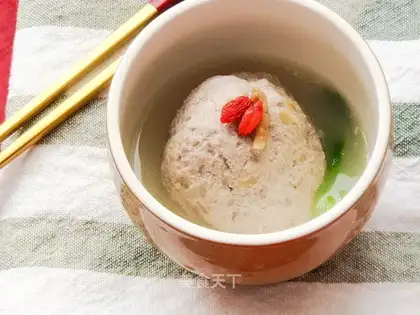
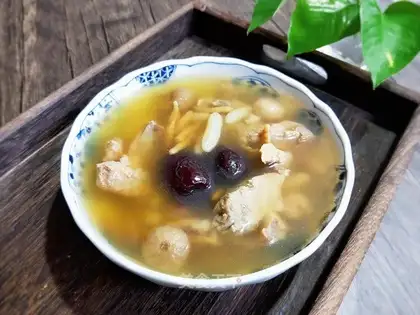
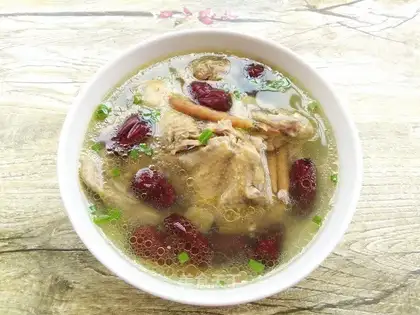
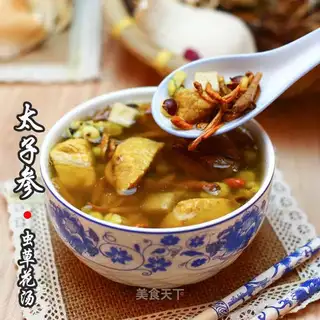
In East Asian cuisine, Prince Ginseng is often simmered in soups to enhance flavor and nutritional value. A classic example is Prince Ginseng Chicken Soup, where the root is cooked with chicken, ginger, and goji berries. The slow cooking process extracts its active compounds, making the soup both nourishing and easy to digest.
2. Teas and Infusions
Dried Prince Ginseng slices can be steeped in hot water to make a soothing tea. For added benefits, combine with ingredients like honey, lemon, or astragalus. To enhance extraction, simmer the slices for 10-15 minutes instead of just steeping.
3. Stir-Fries and Rice Dishes
Thinly sliced Prince Ginseng can be added to stir-fries (e.g., with vegetables, tofu, or lean meat) or mixed into rice dishes like congee. Its subtle flavor complements ingredients without overpowering them.
4. Desserts and Smoothies
For a healthy twist, grate fresh Prince Ginseng into smoothies, oatmeal, or desserts like puddings and jellies. It pairs well with fruits like apples, pears, and dates, which balance its mild bitterness.
5. Powdered Supplements
For convenience, Prince Ginseng is available as a powder or capsule. Add a teaspoon of powder to smoothies, soups, or juices. A typical daily dose is 3-9 grams of dried root, or 1-3 grams of powder.
IV. Precautions and Potential Side Effects
While Prince Ginseng is generally safe for most people, certain precautions must be taken to avoid adverse effects:
1. Not for Acute Conditions or "Excess" Syndromes
In TCM, Prince Ginseng is a "tonifying" herb, meaning it is best for chronic "deficiency" conditions (e.g., fatigue, weak immunity). It should not be used during acute infections (e.g., high fever, flu) or in cases of "excess" heat (e.g., inflammation, acne), as it may worsen symptoms.
2. Drug Interactions
Prince Ginseng may interact with blood thinners (e.g., warfarin), diabetes medications (e.g., insulin), and immunosuppressants. Consult a healthcare provider before use if you are taking any prescription drugs.
3. Pregnancy and Breastfeeding
Pregnant and breastfeeding women should avoid Prince Ginseng due to limited safety data. Some compounds may stimulate uterine contractions or affect hormone levels.
4. Allergic Reactions
Though rare, allergic reactions (e.g., rash, itching, difficulty breathing) may occur. Discontinue use if you experience any adverse symptoms.
5. Dosage Limits
Excessive consumption (more than 10 grams per day) may cause side effects such as insomnia, digestive upset, or headaches. Stick to recommended doses to avoid toxicity.
V. Conclusion
Prince Ginseng is a nutritional powerhouse that bridges the gap between traditional medicine and modern wellness. Its rich phytochemical profile, immune-boosting properties, and versatility in the kitchen make it a valuable addition to a healthy diet. Whether enjoyed in a warm soup, a refreshing tea, or a smoothie, this humble root offers a gentle yet effective way to enhance energy, support digestion, and promote overall well-being. However, like all herbal remedies, it should be used mindfully, with attention to individual health needs and potential interactions. By incorporating Prince Ginseng responsibly, you can tap into centuries of wisdom backed by emerging science, unlocking its full potential for a healthier, more balanced life.