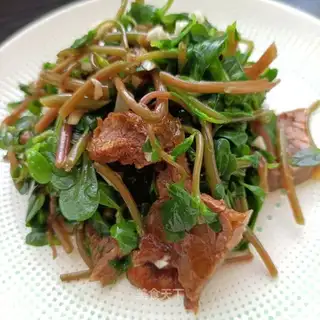
In the realm of superfoods, purslane (Portulaca oleracea) stands out as an unsung hero. Often dismissed as a common weed in gardens and agricultural fields across the globe, this succulent plant has been valued for millennia in traditional medicine and culinary traditions. Native to regions spanning from the Mediterranean to India, purslane has earned a reputation as a "functional food" due to its exceptional nutritional profile and diverse health benefits. Today, as modern science rediscovers the wisdom of ancient practices, purslane is gaining recognition for its potential to combat chronic diseases, support immune health, and promote overall well-being. However, like all potent natural remedies, it must be consumed with awareness of its precautions. This article explores the nutritional value, health benefits, and potential risks of purslane, offering a comprehensive guide to incorporating this remarkable plant into a balanced diet.
I. Nutritional Profile: A Treasure Trove of Essential Nutrients
Purslane’s nutritional density is nothing short of remarkable. This low-growing, succulent leafy green is packed with vitamins, minerals, antioxidants, and beneficial fatty acids, making it a standout even among more conventional vegetables.
1. Vitamins: A Concentrated Source of Key Micronutrients
Purslane is a powerhouse of fat-soluble and water-soluble vitamins. It is exceptionally rich in vitamin A, in the form of beta-carotene, with 100 grams of fresh purslane providing approximately 900 IU—nearly 20% of the daily recommended intake. Vitamin A is critical for vision, immune function, and skin health, and its antioxidant properties help protect cells from oxidative stress.
The plant is also a top source of vitamin C, with 100 grams containing around 21 mg, roughly 35% of the daily requirement. Vitamin C is a potent antioxidant that boosts collagen production, enhances iron absorption, and supports immune defense. Additionally, purslane offers significant amounts of vitamin E, another antioxidant that protects cell membranes from damage, and vitamin K, which is essential for blood clotting and bone metabolism.
2. Minerals: Building Blocks for Optimal Health
When it comes to minerals, purslane excels in several key areas. It is particularly high in magnesium, a mineral involved in over 300 enzymatic reactions, including muscle function, nerve signaling, and blood pressure regulation. A 100-gram serving provides about 65 mg of magnesium—roughly 15% of the daily recommended intake.
Purslane is also a good source of calcium, with 100 grams containing approximately 90 mg, contributing to bone and dental health. Other notable minerals include potassium (498 mg per 100 grams), which helps regulate fluid balance and blood pressure, and iron (2 mg per 100 grams), which is vital for oxygen transport in the blood. Unlike many plant-based iron sources, purslane’s iron is accompanied by vitamin C, enhancing its absorption.
3. Omega-3 Fatty Acids: A Rare Plant-Based Source
One of purslane’s most unique features is its high content of omega-3 fatty acids, specifically alpha-linolenic acid (ALA). While fatty fish are the most well-known sources of omega-3s, purslane offers a rare plant-based alternative, with ALA comprising up to 10% of its total fatty acids. Omega-3s are essential for reducing inflammation, supporting brain health, and lowering the risk of cardiovascular diseases. Purslane’s ALA content rivals that of flaxseeds and chia seeds, making it a valuable addition to vegetarian and vegan diets.
4. Antioxidants and Bioactive Compounds
Purslane is loaded with antioxidants that neutralize harmful free radicals, reducing oxidative stress and inflammation. Key antioxidants include glutathione, beta-carotene, and alkaloids such as portulacin. The plant also contains omega-3 fatty acids and flavonoids, which have been shown to exhibit anti-inflammatory, antimicrobial, and neuroprotective effects. These compounds work synergistically to protect against chronic diseases, including cancer, diabetes, and neurodegenerative disorders.
II. Health Benefits: From Traditional Medicine to Modern Science
For centuries, purslane has been used in traditional medicine to treat a wide range of ailments, from digestive issues to skin infections. Modern research is now validating many of these traditional uses, highlighting purslane’s potential as a therapeutic agent.
1. Anti-Inflammatory and Antioxidant Properties
Chronic inflammation is a root cause of many modern diseases, including heart disease, arthritis, and diabetes. Purslane’s high content of omega-3 fatty acids and antioxidants makes it a potent anti-inflammatory agent. Studies have shown that the ALA and flavonoids in purslane inhibit the production of pro-inflammatory cytokines, such as TNF-alpha and IL-6, thereby reducing inflammation in the body. This property makes purslane particularly beneficial for individuals with inflammatory conditions like rheumatoid arthritis or inflammatory bowel disease (IBD).
2. Cardiovascular Health Support
Purslane’s benefits for heart health are multifaceted. Its omega-3 fatty acids help lower LDL ("bad") cholesterol and triglyceride levels while increasing HDL ("good") cholesterol, reducing the risk of atherosclerosis. Additionally, the plant’s potassium content helps regulate blood pressure by counteracting the effects of sodium, and its antioxidants protect blood vessels from oxidative damage. A 2018 study published in the Journal of Ethnopharmacology found that purslane extract significantly reduced blood pressure in hypertensive rats, suggesting its potential as a natural antihypertensive agent.
3. Blood Sugar Regulation
Purslane may play a role in managing diabetes and preventing insulin resistance. Research indicates that the plant’s fiber content slows down carbohydrate digestion, preventing spikes in blood sugar levels. Furthermore, purslane contains compounds that enhance insulin sensitivity, allowing cells to more effectively use glucose for energy. A 2020 study in Phytotherapy Research demonstrated that purslane extract improved glucose tolerance and reduced insulin resistance in diabetic mice, offering promising implications for human diabetes management.
4. Immune System Boost
The combination of vitamins A, C, and E in purslane makes it a powerful immune booster. Vitamin A strengthens the skin and mucous membranes, which serve as the body’s first line of defense against pathogens, while vitamin C stimulates the production of white blood cells and antibodies. Vitamin E, meanwhile, protects immune cells from oxidative damage. Additionally, purslane’s antimicrobial properties help combat harmful bacteria and fungi, further supporting immune function.
5. Digestive Health Promotion
Purslane is rich in dietary fiber, which is essential for maintaining a healthy digestive system. Fiber adds bulk to stool, preventing constipation, and promotes the growth of beneficial gut bacteria, which play a key role in immune function and overall health. The plant’s mucilage content—a gel-like substance—also soothes the digestive tract, making it beneficial for individuals with gastritis or ulcers. Traditional medicine has long used purslane to alleviate digestive discomfort, and modern research supports its use as a natural remedy for indigestion and bloating.
6. Skin and Wound Healing
Purslane’s high vitamin A and E content, combined with its anti-inflammatory properties, makes it excellent for skin health. Vitamin A promotes cell turnover and repair, while vitamin E moisturizes the skin and protects it from UV damage. Topical applications of purslane gel have been shown to accelerate wound healing by reducing inflammation and stimulating collagen production. Additionally, the plant’s antimicrobial properties help prevent infections in minor cuts and scrapes.
7. Bone Health Support
Purslane’s calcium, magnesium, and vitamin K content make it a valuable food for bone health. Calcium is the primary mineral in bones, while magnesium aids in calcium absorption and bone mineralization. Vitamin K, meanwhile, activates proteins that regulate bone metabolism, reducing the risk of fractures and osteoporosis. Regular consumption of purslane may help maintain bone density, particularly in postmenopausal women who are at a higher risk of bone loss.
III. Precautions and Potential Risks
While purslane offers numerous health benefits, it is not without risks. Certain individuals should exercise caution when consuming this plant, and proper preparation is essential to avoid adverse effects.
1. High Oxalate Content
Purslane contains significant amounts of oxalates, natural compounds that can bind to calcium and form oxalate stones in the kidneys. Individuals with a history of kidney stones or kidney disease should avoid consuming large quantities of purslane, especially in raw form. Cooking purslane can reduce its oxalate content by up to 50%, making it safer for those sensitive to oxalates.
2. Potential for Pesticide Residues
As a wild plant, purslane is often foraged from fields or gardens where it may have been exposed to pesticides or herbicides. To minimize risk, it is advisable to source purslane from organic suppliers or grow it organically at home. If foraging, ensure the plant is harvested from uncontaminated areas, away from roadsides or industrial sites.
3. Interaction with Medications
Purslane’s high potassium content may interfere with certain medications, particularly diuretics and blood pressure-lowering drugs. Individuals taking these medications should consult their healthcare provider before adding purslane to their diet. Additionally, purslane’s blood-sugar-lowering effects may enhance the effects of diabetes medications, requiring careful monitoring to avoid hypoglycemia.
4. Pregnancy and Breastfeeding
While purslane is generally safe when consumed in moderation as a food, pregnant and breastfeeding women should exercise caution. Some traditional uses of purslane include inducing labor, and its high oxalate content may pose risks during pregnancy. It is best to consult a healthcare provider before consuming purslane in medicinal quantities during pregnancy or breastfeeding.
5. Allergic Reactions
Although rare, some individuals may be allergic to purslane. Symptoms of an allergic reaction include itching, swelling, or difficulty breathing. Those with a known sensitivity to plants in the Portulacaceae family (such as spinach or kale) should be particularly cautious and start with small amounts when trying purslane for the first time.
IV. Culinary Uses: How to Incorporate Purslane into Your Diet
Purslane’s mild, slightly tangy flavor and crisp texture make it a versatile ingredient in the kitchen. Here are some popular ways to enjoy this nutrient-dense plant:
1. Raw in Salads
Fresh purslane leaves can be added to salads for a crunchy texture and nutritional boost. They pair well with ingredients like tomatoes, cucumbers, feta cheese, and a lemon vinaigrette.
2. Cooked as a Side Dish
Sauté purslane with garlic and olive oil for a simple and healthy side dish. It can also be added to soups, stews, or stir-fries, where its texture softens but its nutritional value remains intact.
3. Juiced or Blended
Purslane can be juiced with other vegetables or blended into smoothies for a nutrient-packed drink. Mixing it with fruits like apples or berries can help balance its slightly tangy flavor.
4. Pickled
Pickled purslane makes a tangy condiment that can be added to sandwiches, tacos, or salads. To pickle, blanch the leaves briefly, then marinate in a mixture of vinegar, water, salt, and spices.
5. Herbal Teas
Dried purslane leaves can be steeped in hot water to make a herbal tea. This tea is often consumed for its diuretic and anti-inflammatory properties.
V. Conclusion
Purslane is a true nutritional powerhouse, offering a rare combination of vitamins, minerals, omega-3 fatty acids, and antioxidants. From reducing inflammation and supporting heart health to boosting immunity and promoting digestion, its benefits are backed by both traditional wisdom and modern science. However, like all potent foods, it must be consumed mindfully, particularly by individuals with kidney issues, those on certain medications, or pregnant women.
As interest in plant-based superfoods grows, purslane is finally gaining the recognition it deserves. Whether enjoyed raw in a salad, cooked as a side dish, or steeped as a tea, this humble "weed" has the potential to transform meals into powerful tools for health. By understanding its nutritional value, benefits, and precautions, we can harness the power of purslane to enhance our well-being and embrace a more vibrant, natural way of eating.