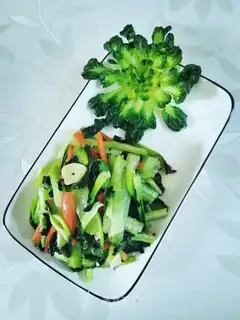
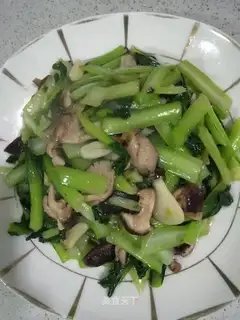
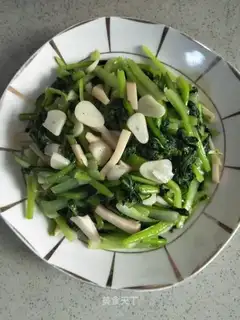
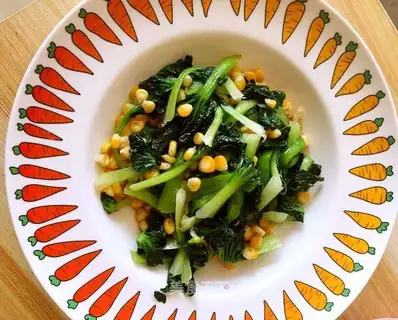
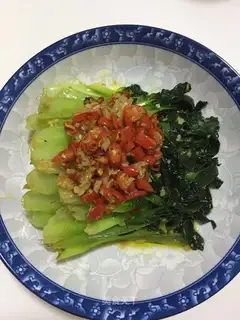
Chrysanthemum greens (Glebionis coronaria), also known as crown daisy, edible chrysanthemum, or tong hao in Chinese, are a leafy vegetable widely consumed in East Asia, Southeast Asia, and the Mediterranean. With its vibrant green leaves, tender stems, and subtle aromatic flavor—reminiscent of a cross between spinach and celery—this vegetable has long been celebrated not only for its culinary versatility but also for its remarkable nutritional and medicinal properties. Dating back thousands of years, chrysanthemum greens have been used in traditional medicine to promote health and vitality. Today, modern science is beginning to validate many of these traditional uses, revealing a wealth of vitamins, minerals, antioxidants, and bioactive compounds that make this vegetable a true superfood. This article explores the nutritional profile of chrysanthemum greens, their evidence-based health benefits, and important precautions for consumption.
Nutritional Profile: A Treasure Trove of Essential Nutrients
Chrysanthemum greens are a low-calorie, nutrient-dense food, making them an excellent addition to a balanced diet. A 100-gram serving of raw chrysanthemum greens contains approximately:
- Calories: 31 kcal
- Protein: 2.7 grams
- Carbohydrates: 6.0 grams (including 1.8 grams of fiber)
- Fat: 0.5 grams
- Water: ~89%
What truly sets chrysanthemum greens apart is their exceptional concentration of vitamins, minerals, and phytochemicals.
Vitamins
- Vitamin A (as beta-carotene): Chrysanthemum greens are one of the richest plant sources of beta-carotene, a precursor to vitamin A. A 100-gram serving provides over 200% of the daily recommended intake (DRI). Vitamin A is critical for vision, immune function, skin health, and cellular growth.
- Vitamin C: These greens offer approximately 36 mg of vitamin C per 100 grams, meeting nearly 50% of the DRI. Vitamin C is a powerful antioxidant that boosts immunity, supports collagen synthesis, and enhances iron absorption.
- Vitamin K: With around 300 micrograms per 100 grams, chrysanthemum greens are an outstanding source of vitamin K, essential for blood clotting and bone metabolism. A single serving can exceed 200% of the DRI, making them particularly beneficial for individuals at risk of osteoporosis.
- Folate (Vitamin B9): They contain about 110 micrograms of folate per 100 grams, contributing to DNA synthesis, cell division, and fetal development during pregnancy.
Minerals
- Calcium: Chrysanthemum greens provide approximately 100 mg of calcium per 100 grams, supporting bone and teeth health. While not as high as dairy products, their calcium is accompanied by vitamin K, which enhances calcium absorption.
- Iron: With 1.5 mg of iron per 100 grams, these greens are a valuable plant-based source of iron, especially when combined with vitamin C to improve bioavailability.
- Potassium: They offer ~300 mg of potassium per 100 grams, a mineral that regulates blood pressure, fluid balance, and muscle function.
- Magnesium: At 20 mg per 100 grams, magnesium supports over 300 biochemical reactions in the body, including energy production and nerve function.
Phytochemicals and Antioxidants
Chrysanthemum greens are packed with bioactive compounds that contribute to their health-promoting properties:
- Flavonoids: Apigenin, luteolin, and quercetin are abundant in these greens. Flavonoids are antioxidants that reduce inflammation, protect against oxidative stress, and may lower the risk of chronic diseases.
- Terpenoids: Chrysanthemum greens contain terpenoids such as chrysanthemum acid, which have been studied for their anti-inflammatory and antimicrobial effects.
- Carotenoids: Beyond beta-carotene, they contain lutein and zeaxanthin, carotenoids that accumulate in the eyes and reduce the risk of age-related macular degeneration (AMD).
Health Benefits: Backed by Science and Tradition
The combination of nutrients and phytochemicals in chrysanthemum greens confers a wide range of health benefits, from boosting immunity to preventing chronic diseases.
1. Enhances Immune Function
The high levels of vitamin C and beta-carotene in chrysanthemum greens play a pivotal role in immune health. Vitamin C stimulates the production and function of white blood cells, the body’s primary defense against pathogens. Beta-carotene, converted to vitamin A, maintains the integrity of mucosal surfaces (e.g., respiratory and digestive tracts), acting as a barrier against infections. Studies suggest that regular consumption of vitamin C-rich foods can reduce the duration and severity of colds and flu.
2. Supports Eye Health
Lutein and zeaxanthin, two carotenoids abundant in chrysanthemum greens, are the only antioxidants that accumulate in the retina. They filter harmful blue light and neutralize free radicals, protecting against oxidative damage linked to AMD and cataracts. Research indicates that a diet rich in lutein and zeaxanthin can slow the progression of AMD and improve visual acuity. Additionally, vitamin A deficiency is a leading cause of preventable blindness, making these greens a vital food for maintaining vision.
3. Promotes Bone Health
Chrysanthemum greens are a powerhouse of bone-supporting nutrients. Vitamin K activates osteocalcin, a protein that binds calcium to bones, enhancing their density and strength. Calcium, though present in smaller amounts than in dairy, contributes to bone mineralization when paired with vitamin K. Magnesium also plays a role by regulating calcium metabolism and producing parathyroid hormone, which controls bone calcium levels. Regular consumption may reduce the risk of osteoporosis, especially in postmenopausal women.
4. Regulates Blood Pressure and Cardiovascular Health
Potassium, a key mineral in chrysanthemum greens, helps counteract the effects of sodium by relaxing blood vessels and reducing blood pressure. High potassium intake is associated with a lower risk of stroke and heart disease. Flavonoids like apigenin and luteolin also contribute to cardiovascular health by reducing inflammation, improving blood vessel elasticity, and inhibiting LDL (bad) cholesterol oxidation. A study published in the Journal of Agricultural and Food Chemistry found that luteolin can reduce the risk of atherosclerosis by decreasing plaque formation in arteries.
5. Aids Digestion and Weight Management
With 1.8 grams of fiber per 100 grams, chrysanthemum greens support digestive health by promoting regular bowel movements and preventing constipation. Fiber also acts as a prebiotic, feeding beneficial gut bacteria and maintaining a healthy microbiome. For weight management, the high fiber and water content increase satiety, reducing overall calorie intake. The low calorie density (31 kcal per 100 grams) makes them an ideal food for weight loss diets.
6. Possesses Anti-Inflammatory and Anticancer Properties
Chronic inflammation is a underlying factor in many diseases, including cancer, diabetes, and heart disease. Flavonoids and terpenoids in chrysanthemum greens exhibit potent anti-inflammatory effects by inhibiting pro-inflammatory enzymes like COX-2 and cytokines such as TNF-alpha. Apigenin, in particular, has been studied for its ability to induce apoptosis (programmed cell death) in cancer cells and inhibit tumor growth. While more human trials are needed, laboratory studies suggest that chrysanthemum greens may help reduce the risk of colon, breast, and prostate cancers.
7. Detoxifies the Liver
In traditional Chinese medicine, chrysanthemum greens are used to “cool the liver” and detoxify the body. Modern research supports this use, as compounds like chrysanthemum acid and luteolin have hepatoprotective (liver-protective) effects. They enhance the activity of antioxidant enzymes (e.g., superoxide dismutase and glutathione peroxidase) in the liver, reducing oxidative damage caused by toxins like alcohol and environmental pollutants. A study in Hepatology Research found that luteolin can prevent alcohol-induced liver injury by suppressing inflammation and lipid peroxidation.
Precautions and Potential Side Effects
While chrysanthemum greens are generally safe for most people, certain precautions should be taken to avoid adverse effects:
1. Blood Thinning and Medication Interactions
Chrysanthemum greens are rich in vitamin K, which plays a key role in blood clotting. Individuals taking anticoagulant medications (e.g., warfarin) should maintain a consistent intake of vitamin K to avoid interactions that reduce the drug’s effectiveness. Sudden increases or decreases in vitamin K consumption can lead to blood clots or bleeding. It is advisable for such individuals to consult a healthcare provider before adding chrysanthemum greens to their diet.
2. Pregnancy and Breastfeeding
Pregnant and breastfeeding women should consume chrysanthemum greens in moderation. While folate is beneficial for fetal development, excessive intake of certain compounds (e.g., terpenoids) may have unknown effects. Traditional medicine warns against overconsumption during pregnancy due to its “cooling” properties, which may theoretically cause digestive discomfort.
3. Allergic Reactions
Although rare, some individuals may be allergic to chrysanthemum greens, especially those allergic to ragweed or other plants in the Asteraceae family. Symptoms may include skin rashes, itching, or respiratory distress. Those with known allergies should avoid consumption or consult an allergist.
4. Pesticide Residues
As with leafy greens, chrysanthemum greens may contain pesticide residues if not grown organically. To minimize exposure, it is recommended to wash them thoroughly under running water or opt for organic varieties. Cooking can also reduce pesticide levels, though it may diminish some heat-sensitive nutrients.
5. Digestive Sensitivity
The high fiber content in chrysanthemum greens may cause bloating, gas, or diarrhea in individuals with sensitive digestive systems or irritable bowel syndrome (IBS). Cooking the greens (e.g., steaming or stir-frying) can make them easier to digest.
Conclusion
Chrysanthemum greens are a nutritional and medicinal powerhouse, offering a unique combination of vitamins, minerals, antioxidants, and bioactive compounds. From boosting immunity and protecting eye health to supporting bone density and reducing inflammation, their health benefits are backed by both traditional wisdom and modern science. While they are a safe and healthy addition to most diets, precautions such as monitoring vitamin K intake for those on blood thinners and washing thoroughly to remove pesticides are essential. Whether enjoyed raw in salads, blanched as a side dish, or stir-fried with garlic, chrysanthemum greens are a delicious and versatile way to enhance overall health. As research continues to uncover their therapeutic potential, these humble greens are poised to take their place among the world’s most celebrated functional foods.