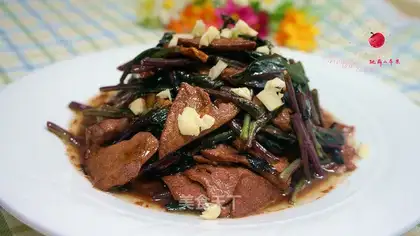
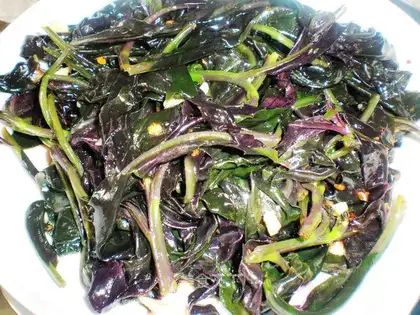
In the realm of leafy green vegetables, few are as visually striking and nutritionally dense as Gynura bicolor, commonly known as purple-backed cabbage, red sage, or simply "purple vegetable." With its deep green upper leaf surface and vibrant purple underside, this plant is not only a feast for the eyes but also a treasure trove of bioactive compounds, vitamins, and minerals. Native to Southeast Asia and widely cultivated in regions like China, Japan, and Indonesia, purple-backed cabbage has been used for centuries in traditional medicine and cuisine. Today, it is gaining global recognition as a "superfood" due to its remarkable health benefits. This article explores the nutritional profile, health-promoting properties, culinary applications, and important precautions associated with this underappreciated green.
Nutritional Profile: A Concentrated Source of Essential Nutrients
Purple-backed cabbage belongs to the Asteraceae family and is rich in a diverse array of nutrients that contribute to its classification as a functional food. Its nutritional composition sets it apart from more common leafy greens like spinach or kale.
Vitamins
The vegetable is an exceptional source of fat-soluble and water-soluble vitamins. It contains high levels of vitamin A, primarily in the form of beta-carotene, which is crucial for vision, immune function, and skin health. A 100-gram serving of fresh purple-backed cabbage can provide up to 300% of the daily recommended intake of vitamin A, making it more potent than carrots in this regard.
Vitamin C is another standout nutrient, with concentrations reaching 150–200 mg per 100 grams—significantly higher than oranges. Vitamin C acts as a potent antioxidant, neutralizing free radicals, supporting collagen synthesis, and enhancing iron absorption.
The plant is also rich in vitamin K, essential for blood clotting and bone metabolism, and folate (vitamin B9), which plays a vital role in cell division and DNA synthesis. Pregnant individuals, in particular, may benefit from its folate content, as it helps prevent neural tube defects in developing fetuses.
Minerals
Purple-backed cabbage is a good source of essential minerals, including calcium, iron, potassium, and manganese. Its calcium content (approximately 200 mg per 100 grams) is comparable to that of dairy products, making it a valuable option for vegans and lactose-intolerant individuals. Iron, present in a highly bioavailable form due to the vegetable’s high vitamin C content, supports oxygen transport in the blood and helps prevent anemia. Potassium regulates blood pressure and fluid balance, while manganese acts as a cofactor for enzymes involved in antioxidant defense and bone formation.
Bioactive Compounds
The most distinctive feature of purple-backed cabbage is its high concentration of anthocyanins, the pigments responsible for its purple hue. Anthocyanins are flavonoids with potent antioxidant, anti-inflammatory, and anti-cancer properties. Studies have shown that these compounds can reduce oxidative stress, inhibit the growth of cancer cells, and improve cognitive function.
Additionally, the vegetable contains chlorogenic acid, a polyphenol with antioxidant and anti-diabetic effects, and gynura saponins, unique triterpenoid saponins that have been linked to anti-inflammatory and lipid-lowering activities. These bioactive compounds work synergistically to enhance the vegetable’s health benefits.
Health Benefits: From Traditional Medicine to Modern Science
The consumption of purple-backed cabbage has been associated with a wide range of health benefits, many of which are supported by scientific research.
1. Potent Antioxidant and Anti-Inflammatory Effects
The anthocyanins and other polyphenols in purple-backed cabbage exhibit strong antioxidant activity, scavenging harmful free radicals and reducing oxidative stress. This is particularly important in preventing chronic diseases such as cardiovascular disease, diabetes, and cancer. Chronic inflammation is a key driver of these conditions, and the anti-inflammatory compounds in purple-backed cabbage, such as chlorogenic acid and gynura saponins, help suppress pro-inflammatory cytokines and enzymes like COX-2.
2. Blood Sugar Regulation
Purple-backed cabbage has shown promise in managing diabetes and improving insulin sensitivity. Chlorogenic acid, in particular, has been found to inhibit the activity of glucose-6-phosphatase, an enzyme that contributes to elevated blood sugar levels. Animal studies have demonstrated that extracts of purple-backed cabbage can reduce blood glucose levels and improve glucose tolerance in diabetic rats. For individuals with prediabetes or type 2 diabetes, incorporating this vegetable into the diet may help regulate blood sugar and reduce the risk of complications.
3. Cardiovascular Health
The combination of antioxidants, fiber, and minerals in purple-backed cabbage makes it heart-healthy. Anthocyanins have been shown to lower LDL (bad) cholesterol and increase HDL (good) cholesterol, reducing the risk of atherosclerosis. Potassium helps regulate blood pressure by counteracting the effects of sodium, while fiber aids in lowering cholesterol levels and improving overall heart function. Regular consumption may reduce the risk of hypertension, stroke, and heart disease.
4. Immune System Support
Vitamin A and vitamin C are critical for a robust immune system. Vitamin A maintains the integrity of mucosal surfaces, such as the respiratory and gastrointestinal tracts, acting as a barrier against pathogens. Vitamin C enhances the production and function of white blood cells, which are essential for fighting infections. The high concentration of these vitamins in purple-backed cabbage makes it an excellent food for boosting immunity, particularly during cold and flu seasons.
5. Anti-Cancer Potential
Preliminary studies suggest that purple-backed cabbage may have anti-cancer properties, attributed to its bioactive compounds. Anthocyanins have been shown to induce apoptosis (programmed cell death) in cancer cells and inhibit angiogenesis (the formation of new blood vessels that feed tumors). Gynura saponins have also demonstrated anti-proliferative effects on breast, liver, and colon cancer cells in vitro. While more human clinical trials are needed, these findings highlight the vegetable’s potential as a complementary approach to cancer prevention.
6. Bone Health
The high calcium and vitamin K content in purple-backed cabbage makes it beneficial for bone health. Calcium is a primary component of bone tissue, while vitamin K activates osteocalcin, a protein that binds calcium to the bone matrix, enhancing bone density and strength. Regular consumption may help prevent osteoporosis, especially in postmenopausal women who are at a higher risk of bone loss.
Culinary Uses: From Stir-Fries to Smoothies
Purple-backed cabbage is a versatile ingredient that can be incorporated into a variety of dishes, both raw and cooked. Its unique flavor profile—slightly bitter with earthy undertones—complements a range of cuisines.
Cooking Methods
- Stir-Frying: In Asian cuisine, purple-backed cabbage is commonly stir-fried with garlic, ginger, and protein sources like tofu or shrimp. Brief cooking preserves its nutrients and enhances its flavor.
- Steaming: Steaming is a gentle cooking method that retains most of the vegetable’s vitamins and minerals. Steamed purple-backed cabbage can be seasoned with soy sauce, sesame oil, or lemon juice.
- Soups and Stews: The vegetable holds its shape well in soups, making it an excellent addition to broths, miso soup, or vegetable stews. Its vibrant color adds visual appeal to dishes.
- Juicing and Smoothies: For a nutrient boost, purple-backed cabbage can be juiced or blended into smoothies. Combining it with fruits like apples or bananas balances its bitterness and creates a refreshing, antioxidant-rich drink.
Serving Suggestions
- Salads: Young, tender leaves can be used fresh in salads, paired with ingredients like avocado, nuts, and a citrus-based dressing.
- Pickling: Similar to sauerkraut, purple-backed cabbage can be pickled with vinegar, salt, and spices for a tangy, probiotic-rich side dish.
- Garnish: Its striking purple color makes it an attractive garnish for soups, platters, or grain bowls.
Precautions and Potential Side Effects
While purple-backed cabbage is highly nutritious, certain precautions should be taken to ensure safe consumption.
1. Blood Thinning and Vitamin K
Purple-backed cabbage is rich in vitamin K, which plays a key role in blood clotting. Individuals taking blood-thinning medications (e.g., warfarin) should maintain consistent vitamin K intake to avoid interactions. Sudden increases in vitamin K consumption can reduce the effectiveness of these medications. It is advisable for such individuals to consult their healthcare provider before adding purple-backed cabbage to their diet.
2. Goitrogenic Effects
Like other cruciferous vegetables (e.g., broccoli, cabbage), purple-backed cabbage contains goitrogens, compounds that can interfere with thyroid function by inhibiting iodine uptake. While cooking reduces goitrogen levels, individuals with thyroid conditions (e.g., hypothyroidism) should consume it in moderation and ensure adequate iodine intake from other sources.
3. Oxalates and Kidney Stones
The vegetable contains oxalates, naturally occurring compounds that can contribute to the formation of kidney stones in susceptible individuals. Those with a history of kidney stones should limit their intake and ensure adequate hydration.
4. Pregnancy and Breastfeeding
While purple-backed cabbage is a good source of folate, pregnant and breastfeeding individuals should consume it in moderation. Excessive intake of certain bioactive compounds may have unknown effects, so consulting a healthcare provider is recommended.
5. Allergic Reactions
Although rare, some individuals may experience allergic reactions to purple-backed cabbage, such as skin rashes or digestive discomfort. Those with known allergies to plants in the Asteraceae family (e.g., ragweed, chrysanthemums) should exercise caution.
Conclusion
Purple-backed cabbage is a nutritional powerhouse that offers a wide range of health benefits, from antioxidant and anti-inflammatory effects to blood sugar regulation and immune support. Its versatility in the kitchen makes it an easy and delicious addition to a healthy diet. However, like all foods, it should be consumed in moderation, and individuals with specific health conditions should take necessary precautions. As research continues to uncover its therapeutic potential, purple-backed cabbage is poised to become a staple in global cuisine, celebrated not only for its vibrant color but also for its remarkable ability to promote health and well-being.
By incorporating this humble green into our meals, we can harness its power to nourish our bodies and prevent chronic diseases, proving that sometimes, the most potent remedies are found in nature’s simplest offerings.