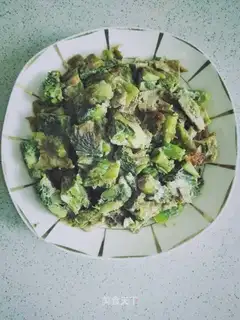
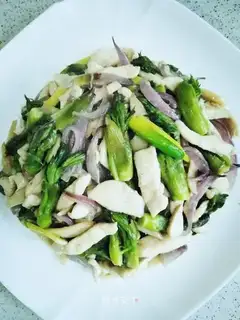
In the realm of wild edibles, few plants command as much reverence in East Asian cuisine and traditional medicine as Aralia elata, commonly known as刺老芽 (ci lao ya) in Chinese, or “spike angelica” in English. This deciduous shrub, native to the forests of China, Japan, Korea, and Siberia, has been prized for centuries for its tender, uniquely flavored shoots, which are often dubbed “the king of mountain vegetables” for their delicate texture and culinary versatility. Beyond its gastronomic appeal,刺老芽 is a nutritional powerhouse, offering a spectrum of vitamins, minerals, and bioactive compounds that contribute to human health. However, like many wild foods, it requires careful handling and consumption to avoid potential risks. This article delves into the nutritional profile, health benefits, and precautions associated with刺老芽, shedding light on why this plant has captivated foragers, chefs, and health enthusiasts alike.
Nutritional Profile: A Concentrated Source of Essential Nutrients
刺老芽 shoots are harvested in early spring when the young leaves and buds are tender, before they develop into mature, woody stems. At this stage, the plant is a rich source of macronutrients, micronutrients, and phytochemicals, making it a standout among seasonal vegetables.
Macronutrients
Though low in calories (approximately 30-40 kcal per 100 grams),刺老芽 is a notable source of dietary fiber, which aids digestion, promotes satiety, and supports gut health. It also contains moderate levels of protein (around 2-3 grams per 100 grams), particularly for a plant-based food, with all essential amino acids present, including lysine and methionine, which are often limited in vegetarian diets. The shoots are virtually fat-free, with only trace amounts of unsaturated fatty acids, making them a heart-healthy addition to meals.
Micronutrients
刺老芽 excels in its micronutrient content. It is exceptionally rich in vitamin C, with levels reaching 50-70 mg per 100 grams—surpassing even oranges (which contain ~50 mg per 100 grams). Vitamin C is a potent antioxidant that boosts immune function, enhances collagen synthesis, and aids in iron absorption. The plant is also a good source of vitamin A (as beta-carotene), which supports vision, skin health, and immune regulation, and B vitamins (including thiamine, riboflavin, and niacin), which play key roles in energy metabolism and nervous system function.
Mineral content is equally impressive.刺老芽 is packed with potassium (≈300 mg per 100 grams), which helps regulate blood pressure and fluid balance, and calcium (≈50 mg per 100 grams), essential for bone health. It also provides iron (≈1-2 mg per 100 grams), which is vital for oxygen transport, and manganese, a cofactor for enzymes involved in antioxidant defense and bone formation. Additionally, the plant contains trace amounts of zinc, magnesium, and phosphorus, all of which are critical for overall physiological function.
Phytochemicals: The Bioactive Powerhouses
What truly sets刺老芽 apart is its abundance of phytochemicals, plant compounds that exert therapeutic effects. Key among these are triterpenoid saponins, which have been studied for their anti-inflammatory, antioxidant, and immune-modulating properties. The shoots also contain flavonoids (such as quercetin and kaempferol), which combat oxidative stress by neutralizing free radicals, and polyphenols, which have been linked to reduced risk of chronic diseases like cardiovascular disease and diabetes.
Health Benefits: From Traditional Medicine to Modern Wellness
The consumption of刺老芽 is deeply rooted in traditional Chinese medicine (TCM), where it is valued for its “detoxifying” and “rejuvenating” properties. Modern research is now validating many of these traditional claims, highlighting the plant’s potential to support health in multiple ways.
1. Anti-Inflammatory and Antioxidant Effects
Chronic inflammation and oxidative stress are underlying factors in many diseases, including cancer, diabetes, and neurodegenerative disorders. Triterpenoid saponins and flavonoids in刺老芽 have been shown to inhibit pro-inflammatory enzymes (such as COX-2) and reduce the production of reactive oxygen species (ROS). A 2018 study published in the Journal of Ethnopharmacology found that extracts of Aralia elata suppressed inflammation in vitro and in animal models, suggesting its potential as a natural anti-inflammatory agent. These properties may also benefit individuals with conditions like arthritis or inflammatory bowel disease.
2. Immune System Modulation
刺老芽’s high vitamin C content and saponins contribute to its immune-boosting effects. Vitamin C stimulates the production and function of white blood cells, particularly lymphocytes and phagocytes, which are critical for fighting infections. Saponins, on the other hand, have been shown to enhance the activity of natural killer (NK) cells and macrophages, enhancing the body’s ability to target pathogens. Regular consumption of刺老芽 may thus reduce the frequency and severity of colds and other infections.
3. Cardiovascular Health Support
The potassium and fiber in刺老芽 are beneficial for heart health. Potassium helps counteract the effects of sodium, lowering blood pressure and reducing the risk of hypertension. Fiber, meanwhile, binds to cholesterol in the digestive system, preventing its absorption and helping to lower LDL (“bad”) cholesterol levels. Additionally, the plant’s polyphenols improve endothelial function (the health of blood vessel linings) and reduce oxidative damage to lipids, collectively lowering the risk of atherosclerosis and heart disease.
4. Blood Sugar Regulation
Preliminary studies suggest that刺老芽 may help manage blood sugar levels, making it a valuable food for individuals with diabetes or prediabetes. Triterpenoid saponins have been shown to enhance insulin sensitivity and inhibit the activity of alpha-glucosidase, an enzyme that breaks down carbohydrates into glucose. By slowing carbohydrate digestion, these compounds can reduce postprandial (after-meal) blood sugar spikes. A 2020 study in Phytotherapy Research found that diabetic rats fed Aralia elata extract had significantly lower fasting blood glucose levels and improved insulin resistance compared to controls.
5. Liver Protection and Detoxification
In TCM,刺老芽 is used to “cleanse the liver” and support detoxification. Modern research supports this use: animal studies indicate that saponins in the plant reduce liver damage caused by toxins (such as alcohol or carbon tetrachloride) by increasing antioxidant enzyme activity (e.g., superoxide dismutase and glutathione peroxidase) and decreasing lipid peroxidation in liver tissues. This hepatoprotective effect may help prevent or alleviate conditions like fatty liver disease and hepatitis.
6. Anti-Cancer Potential (Emerging Research)
While more human studies are needed, test-tube and animal studies suggest that刺老芽 may have anti-cancer properties. Saponins and flavonoids have been shown to induce apoptosis (programmed cell death) in cancer cells, inhibit tumor growth, and prevent metastasis. For example, a 2019 study in Oncology Reports found that Aralia elata saponins suppressed the proliferation of human colon cancer cells by regulating the PI3K/Akt signaling pathway. These findings are promising, but further research is required to confirm efficacy and safety in humans.
Culinary Uses: A Delicacy with a Distinct Flavor
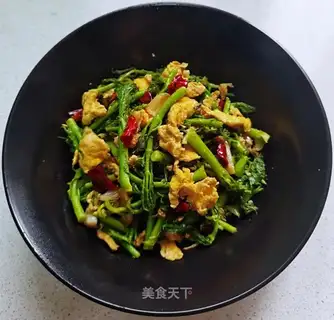
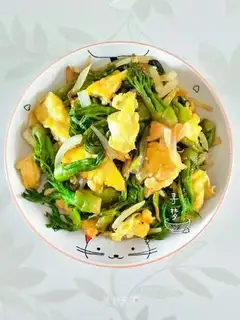
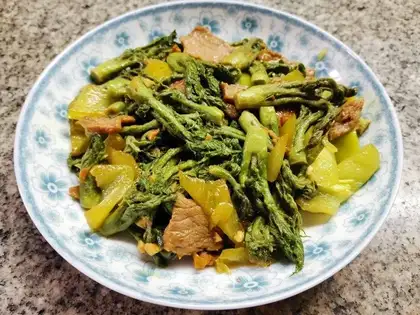
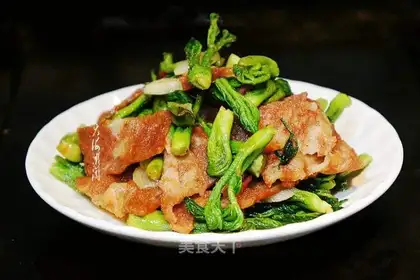
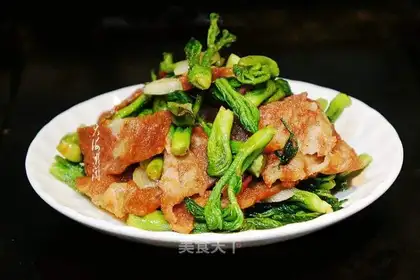
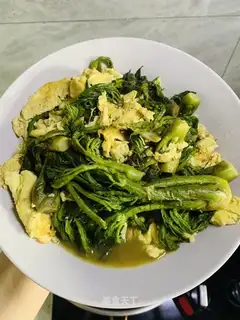
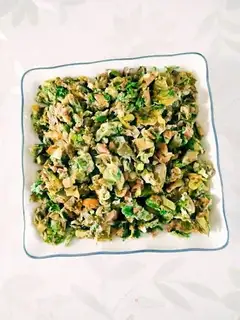
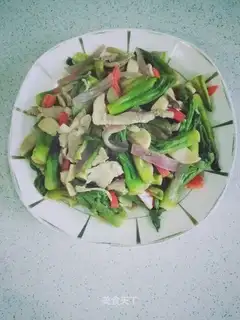
Beyond its health benefits,刺老芽 is prized for its culinary versatility. The shoots have a unique flavor profile: tender, crisp, and slightly bitter, with a hint of celery-like freshness, balanced by a subtle sweetness. In China, they are most commonly stir-fried with garlic, ginger, or pork, blanched and served as a cold salad with sesame dressing, or added to soups and stews for their delicate texture. In Japan, the young shoots are pickled or tempura-fried, while in Korea, they are used in namul (seasoned vegetable dishes) or as a wrapping for rice cakes.
To prepare刺老芽, it is crucial to select young, tender shoots (typically 10-15 cm long) and remove the tough outer skin. The shoots are often blanched in boiling water for 1-2 minutes to reduce bitterness and improve texture before cooking. This step also helps neutralize potential anti-nutrients, making the plant safer to consume.
Precautions and Potential Risks
While刺老芽 is a nutritious and delicious wild vegetable, improper consumption can lead to adverse effects. Understanding these risks is essential for safe enjoyment.
1. Toxicity in Mature Plants
Only the young shoots of刺老芽 are edible. Mature leaves, stems, and roots contain saponins and other compounds that can be toxic if ingested in large quantities. Symptoms of poisoning include nausea, vomiting, diarrhea, dizziness, and abdominal pain. Foragers must therefore accurately identify the plant and harvest only the tender, early-spring shoots.
2. Proper Preparation Is Key
Raw or improperly prepared刺老芽 may cause digestive discomfort due to its saponin and fiber content. Blanching the shoots in boiling water for 1-2 minutes before cooking is recommended to reduce saponin levels and soften the fibers. Overcooking, however, should be avoided, as it can diminish the plant’s texture and nutritional value.
3. Allergic Reactions
While rare, some individuals may be allergic to刺老芽, particularly those with sensitivities to plants in the Araliaceae family (such as ginseng or ivy). Allergic reactions can range from mild skin rashes and itching to severe anaphylaxis, characterized by difficulty breathing, swelling, and dizziness. Individuals trying刺老芽 for the first time should consume a small amount and monitor for adverse reactions.
4. Interaction with Medications
刺老芽 may interact with certain medications due to its bioactive compounds. For example, its blood-sugar-lowering effects may enhance the activity of diabetes medications (e.g., metformin or insulin), increasing the risk of hypoglycemia. Similarly, its anti-inflammatory properties may potentiate the effects of blood thinners (e.g., warfarin). Individuals taking medications should consult a healthcare provider before incorporating刺老芽 into their diet.
5. Sustainable Harvesting
As wild populations of刺老芽 are overharvested in some regions due to high demand, sustainable harvesting practices are essential. Foragers should avoid harvesting from endangered populations and prioritize cultivating the plant when possible. Cultivated刺老芽 is widely available in East Asian markets and offers a safer, more sustainable alternative to wild foraging.
Conclusion
刺老芽 is a true gem of the wild vegetable world, offering a unique combination of delicate flavor, impressive nutritional content, and potential health benefits. From its high vitamin C and mineral levels to its anti-inflammatory, immune-boosting, and blood sugar-regulating properties, this plant has earned its reputation as both a culinary delicacy and a functional food. However, its safe enjoyment requires careful harvesting, proper preparation, and awareness of potential risks, particularly for individuals with allergies or underlying health conditions.
As interest in wild edibles and traditional foods grows,刺老芽 stands as a testament to the wisdom of using nature’s bounty to support health and well-being. By respecting its natural cycle and consuming it responsibly, we can continue to savor its unique flavors and harness its therapeutic potential for generations to come. Whether stir-fried to perfection or added to a nourishing soup,刺老芽 is more than just a vegetable—it is a celebration of the intricate connection between food, nature, and human health.