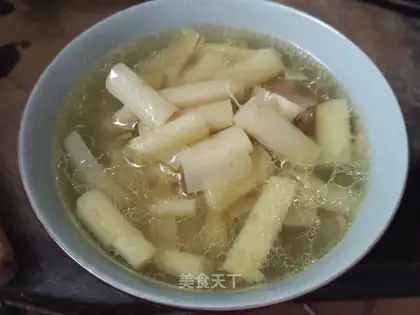
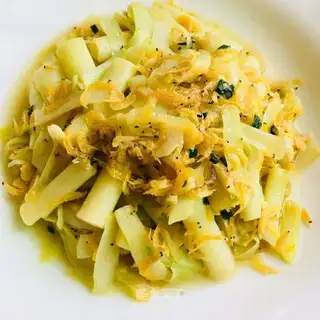
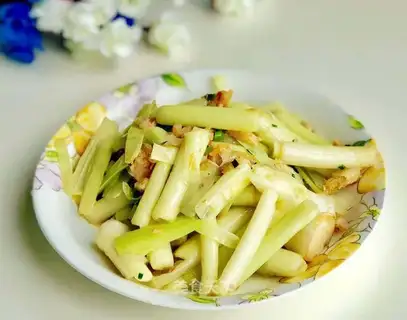
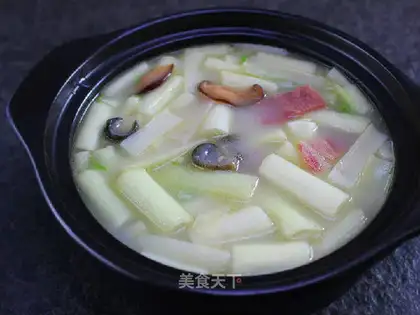
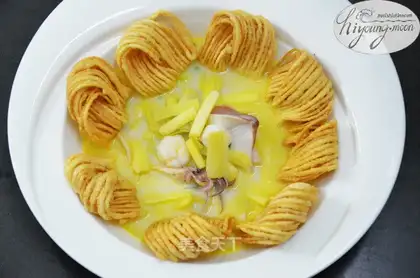
Across the globe, culinary traditions are rich with ingredients that bridge the gap between nature and nourishment. Among these, cattail sprouts—known scientifically as Typha latifolia and commonly called "pucai" (蒲菜) in China—stand out as a unique and underappreciated superfood. For centuries, this aquatic plant has been a staple in wetland communities, valued for its delicate flavor, versatility, and potent health benefits. Today, as modern science rediscovers ancient foods, cattail sprouts are gaining recognition for their exceptional nutritional profile and therapeutic properties. This article explores the nutritional value, health benefits, and precautions associated with cattail sprouts, shedding light on why this humble ingredient deserves a place in contemporary diets.
I. Nutritional Value of Cattail Sprouts
Cattail sprouts, the tender young shoots of the cattail plant, are a nutritional powerhouse, packing a diverse array of vitamins, minerals, antioxidants, and bioactive compounds. Their composition reflects the pristine environments where they grow—marshes, ponds, and riverbanks—free from synthetic pollutants, making them a natural and wholesome food choice.
1. Rich in Vitamins
Cattail sprouts are an excellent source of both water-soluble and fat-soluble vitamins, essential for maintaining overall health.
- Vitamin A (as Beta-Carotene): These sprouts are loaded with beta-carotene, a precursor to vitamin A, which is critical for vision, immune function, and skin health. A 100-gram serving of fresh cattail sprouts provides approximately 1,200–1,500 IU of vitamin A, meeting over 25% of the daily recommended intake for adults.
- B Vitamins: They are particularly rich in B vitamins, including thiamine (B1), riboflavin (B2), niacin (B3), and folate (B9). Folate, in particular, is vital for DNA synthesis, cell division, and fetal development, making cattail sprouts a valuable food for pregnant women.
- Vitamin C: As a potent antioxidant, vitamin C supports immune function, collagen production, and iron absorption. Cattail sprouts contain around 20–30 mg of vitamin C per 100 grams, comparable to citrus fruits.
- Vitamin E: This fat-soluble antioxidant protects cell membranes from oxidative damage, contributing to heart health and anti-aging.
2. Abundant Minerals
The mineral content of cattail sprouts is equally impressive, with several key minerals playing crucial roles in bodily functions.
- Potassium: With approximately 300–400 mg per 100 grams, cattail sprouts are a good source of potassium, which regulates blood pressure, fluid balance, and nerve function.
- Calcium and Magnesium: These minerals are essential for bone health, muscle contraction, and metabolic processes. Cattail sprouts provide around 50–70 mg of calcium and 30–50 mg of magnesium per 100 grams, complementing dairy and leafy greens in a balanced diet.
- Iron: Iron is critical for oxygen transport in the blood, and cattail sprouts contain about 1.5–2 mg per 100 grams, making them a useful plant-based source for preventing iron-deficiency anemia.
- Zinc and Manganese: These trace minerals support immune function, wound healing, and antioxidant defense.
3. Protein and Fiber
While not as protein-dense as legumes or meat, cattail sprouts offer a modest amount of high-quality protein (around 2–3 grams per 100 grams), containing all nine essential amino acids. They are also rich in dietary fiber (3–4 grams per 100 grams), which promotes digestive health, regulates blood sugar levels, and enhances satiety.
4. Bioactive Compounds and Antioxidants
Cattail sprouts are rich in bioactive compounds, including flavonoids, polyphenols, and alkaloids, which contribute to their therapeutic properties. These compounds exhibit strong antioxidant activity, neutralizing harmful free radicals and reducing oxidative stress—a key factor in chronic diseases like cancer, diabetes, and cardiovascular disorders.
II. Health Benefits of Cattail Sprouts
The combination of nutrients and bioactive compounds in cattail sprouts translates into a wide range of health benefits, from boosting immunity to supporting metabolic health.
1. Enhances Immune Function
The high levels of vitamin C, vitamin A, and zinc in cattail sprouts make them a natural immune booster. Vitamin C stimulates the production of white blood cells, while vitamin A maintains the integrity of mucosal barriers (e.g., in the respiratory and digestive tracts), preventing pathogen invasion. Zinc, on the other hand, regulates immune cell activity and reduces inflammation. Together, these nutrients help the body fight infections and recover from illnesses more efficiently.
2. Supports Digestive Health
Dietary fiber is a cornerstone of digestive health, and cattail sprouts are an excellent source of both soluble and insoluble fiber. Soluble fiber forms a gel-like substance in the gut, which slows down digestion, stabilizes blood sugar, and feeds beneficial gut bacteria. Insoluble fiber, meanwhile, adds bulk to stool, preventing constipation and promoting regular bowel movements. Additionally, the mild anti-inflammatory properties of cattail sprouts can soothe digestive discomfort, making them beneficial for individuals with conditions like irritable bowel syndrome (IBS).
3. Regulates Blood Pressure and Cardiovascular Health
Potassium plays a key role in cardiovascular health by counteracting the effects of sodium and relaxing blood vessel walls. This helps lower blood pressure and reduce the risk of hypertension, a major risk factor for heart disease and stroke. The fiber in cattail sprouts also helps lower LDL ("bad") cholesterol levels, while antioxidants like flavonoids prevent the oxidation of cholesterol, a process that contributes to plaque formation in arteries.
4. Aids in Weight Management
Cattail sprouts are low in calories (around 20–30 calories per 100 grams) but high in fiber and water content, making them an ideal food for weight management. Fiber promotes satiety, reducing overall calorie intake, while water helps keep the body hydrated and supports metabolism. Incorporating cattail sprouts into meals can help individuals feel full longer, making it easier to maintain a healthy weight.
5. Anti-Inflammatory and Anticancer Properties
Chronic inflammation is linked to a host of diseases, including arthritis, diabetes, and cancer. Cattail sprouts contain potent anti-inflammatory compounds, such as flavonoids and polyphenols, which inhibit the production of pro-inflammatory cytokines (e.g., TNF-α and IL-6). Additionally, studies suggest that the antioxidants in cattail sprouts may help prevent cancer by neutralizing free radicals and inhibiting the growth of cancer cells. For example, beta-carotene has been associated with a reduced risk of lung and stomach cancer, while polyphenols may protect against colorectal cancer.
6. Detoxification and Liver Health
The cattail plant has a long history of use in traditional medicine for detoxification. Cattail sprouts contain compounds that support liver function, the body’s primary detoxification organ. They enhance the activity of liver enzymes involved in metabolizing toxins and promote the excretion of waste products through urine. This makes cattail sprouts a valuable addition to diets aimed at reducing toxin buildup, such as those followed during cleanses or for individuals exposed to environmental pollutants.
7. Supports Bone Health
Calcium, magnesium, and vitamin D (which is synthesized in the body with sunlight exposure) are essential for maintaining strong bones and preventing osteoporosis. While cattail sprouts are not as high in calcium as dairy products, they provide a plant-based source of this mineral, along with magnesium, which aids in calcium absorption. Regular consumption of cattail sprouts, as part of a balanced diet rich in other bone-healthy foods (e.g., leafy greens, nuts), can help maintain bone density and reduce the risk of fractures.
III. Precautions and Potential Side Effects
While cattail sprouts offer numerous health benefits, they are not without precautions. Proper harvesting, preparation, and consumption are essential to avoid adverse effects.
1. Proper Harvesting and Preparation
Cattail sprouts must be harvested from clean, unpolluted water sources to avoid contamination with heavy metals, pesticides, or bacteria. The sprouts should be young and tender (typically 10–15 cm long) for optimal flavor and nutritional value. Before consumption, they must be thoroughly washed and cooked to remove any potential toxins or parasites. Raw cattail sprouts may contain natural compounds that cause digestive discomfort, so boiling, steaming, or stir-frying is recommended.
2. Allergic Reactions
Although rare, some individuals may be allergic to cattail sprouts, especially those with sensitivities to other plants in the Typhaceae family. Symptoms of an allergic reaction may include itching, hives, swelling, or difficulty breathing. If you are trying cattail sprouts for the first time, start with a small amount and monitor for any adverse reactions.
3. Interaction with Medications
Cattail sprouts have mild diuretic properties, meaning they increase urine production. Individuals taking diuretic medications (e.g., furosemide) should consume them in moderation to avoid excessive fluid loss. Additionally, their high potassium content may interact with potassium-sparing medications (e.g., ACE inhibitors), potentially leading to hyperkalemia (high potassium levels). Consult a healthcare provider before incorporating cattail sprouts into your diet if you are taking any medications.
4. Not Suitable for Everyone
Pregnant and breastfeeding women should consume cattail sprouts in moderation due to limited research on their safety during these stages. Individuals with kidney disease should also be cautious, as the high potassium content may exacerbate kidney dysfunction.
5. Sustainable Harvesting
To ensure the long-term availability of cattail sprouts, harvesting should be done sustainably. Only a small portion of the sprouts should be taken from each plant, and the surrounding ecosystem should be disturbed minimally. Overharvesting can damage cattail populations and disrupt wetland habitats.
IV. Culinary Uses and Incorporation into the Diet
Cattail sprouts are incredibly versatile in the kitchen, with a mild, slightly sweet flavor reminiscent of asparagus or water chestnuts. They can be used in a variety of dishes, from stir-fries and soups to salads and casseroles. Here are some popular ways to incorporate them into your diet:
- Stir-fries: Sauté cattail sprouts with garlic, ginger, and your choice of protein (e.g., chicken, tofu, or shrimp) for a quick and nutritious meal.
- Soups and Stews: Add chopped cattail sprouts to soups or stews for a boost of fiber and vitamins. They pair well with miso, broth, or vegetable-based stocks.
- Salads: Blanch cattail sprouts briefly to soften them, then toss with fresh vegetables, herbs, and a light vinaigrette for a refreshing salad.
- Pickles: Preserve cattail sprouts by pickling them in vinegar, spices, and sugar—a common practice in East Asian cuisine.
- Steamed or Boiled: Serve steamed cattail sprouts as a side dish, drizzled with olive oil and lemon juice for a simple yet elegant preparation.
Conclusion
Cattail sprouts are a nutritional and medicinal treasure, offering a unique combination of vitamins, minerals, antioxidants, and bioactive compounds. From boosting immunity and supporting digestive health to regulating blood pressure and reducing inflammation, their health benefits are backed by both traditional use and modern science. However, proper harvesting, preparation, and moderation are key to unlocking their potential while avoiding adverse effects.
As we seek to diversify our diets with nutrient-dense, sustainable foods, cattail sprouts emerge as a compelling choice. By incorporating this humble aquatic plant into our meals, we not only nourish our bodies but also honor the wisdom of ancient culinary traditions. Whether enjoyed in a stir-fry, soup, or salad, cattail sprouts are a testament to the power of nature to provide both sustenance and healing.
In a world where processed foods dominate, cattail sprouts remind us that the most potent remedies and nutrients often lie hidden in plain sight—waiting to be discovered, appreciated, and integrated into our modern lives.