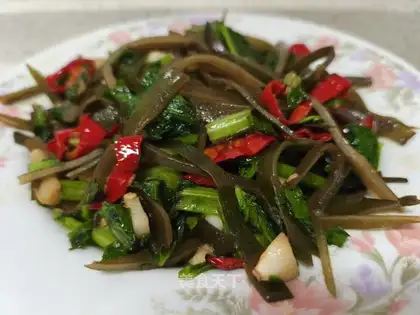
Celery, often celebrated for its crunchy stalks and refreshing flavor, has long been a staple in salads, soups, and juices. However, its leafy tops—frequently discarded or used as mere garnish—are a nutritional powerhouse waiting to be recognized. Packed with vitamins, minerals, antioxidants, and bioactive compounds, celery leaves offer a range of health benefits that rival many well-known superfoods. This article explores the nutritional profile of celery leaves, their scientifically supported health benefits, and important precautions to consider for safe consumption.
I. Nutritional Profile: A Concentrated Source of Essential Nutrients
Celery leaves (Apium graveolens var. dulce) are nutritionally dense, containing a higher concentration of certain nutrients than the stalks themselves. A 100-gram serving of fresh celery leaves provides approximately:
- Vitamins: Celery leaves are exceptionally rich in vitamin K (up to 293% of the Daily Value, DV), crucial for blood clotting and bone health. They are also a top source of vitamin A (as beta-carotene, providing 105% DV), supporting vision, immune function, and skin health. Additionally, they offer significant amounts of vitamin C (15% DV), an antioxidant that boosts immunity and collagen synthesis, and folate (10% DV), essential for cell division and DNA synthesis.
- Minerals: These leaves are a good source of potassium (5% DV), which regulates blood pressure and fluid balance; calcium (8% DV), for bone and muscle health; and magnesium (7% DV), involved in over 300 enzymatic reactions. They also provide small amounts of iron, phosphorus, and manganese.
- Antioxidants and Phytochemicals: Celery leaves are loaded with antioxidants, including flavonoids (such as apigenin and luteolin), phenolic acids (e.g., caffeic acid), and volatile oils like limonene and β-selinene. These compounds combat oxidative stress, reduce inflammation, and protect against chronic diseases. Apigenin, in particular, has been studied for its anti-cancer and neuroprotective properties.
- Dietary Fiber: With 2.1 grams of fiber per 100 grams, celery leaves aid digestion, promote satiety, and support a healthy gut microbiome.
- Low in Calories: At just 20 calories per 100 grams, celery leaves are an ideal addition to weight management diets, providing nutrients without adding excessive calories.
II. Health Benefits: From Disease Prevention to Wellness Support
The unique combination of nutrients and phytochemicals in celery leaves translates to a host of health benefits, backed by scientific research.
1. Anti-Inflammatory and Antioxidant Properties
Chronic inflammation is a root cause of many diseases, including arthritis, heart disease, and diabetes. Celery leaves contain potent anti-inflammatory compounds, such as luteolin and apigenin, which inhibit pro-inflammatory enzymes (like COX-2) and cytokines. A 2016 study in Journal of Ethnopharmacology found that celery leaf extract reduced inflammation in mice with arthritis by up to 60%. Additionally, the high vitamin C and beta-carotene content neutralizes free radicals, preventing cellular damage and oxidative stress linked to aging and chronic illnesses.
2. Cardiovascular Health Support
Celery leaves promote heart health through multiple mechanisms. Their potassium content helps lower blood pressure by balancing sodium levels and relaxing blood vessels. A study published in Hypertension found that individuals who consumed potassium-rich foods had a 24% lower risk of stroke. The flavonoids in celery leaves also reduce LDL (“bad”) cholesterol oxidation and prevent plaque buildup in arteries, lowering the risk of atherosclerosis.
3. Cancer Prevention Potential
Apigenin, a flavonoid abundant in celery leaves, has shown promising anti-cancer effects in preclinical studies. It induces apoptosis (programmed cell death) in cancer cells, inhibits tumor growth, and prevents metastasis. Research in Nutrients (2020) highlighted apigenin’s ability to suppress breast, colon, and prostate cancer cell proliferation. Moreover, the antioxidant properties of celery leaves protect DNA from damage, reducing cancer risk.
4. Digestive Health and Gut Microbiome Balance
The fiber in celery leaves adds bulk to stool, promoting regular bowel movements and preventing constipation. Additionally, celery leaves contain prebiotic compounds that feed beneficial gut bacteria, such as Bifidobacterium and Lactobacillus. A healthy gut microbiome is linked to improved immunity, better mood, and reduced risk of digestive disorders like irritable bowel syndrome (IBS).
5. Blood Sugar Regulation
Celery leaves may help manage blood sugar levels, making them beneficial for individuals with diabetes or prediabetes. The fiber slows carbohydrate digestion, preventing rapid spikes in blood glucose. A 2019 study in Journal of Medicinal Food found that celery leaf extract improved insulin sensitivity in diabetic rats by enhancing glucose uptake in cells.
6. Detoxification and Liver Health
Celery leaves support the liver, the body’s primary detoxification organ. They contain compounds like coumarins and apiin, which stimulate liver enzymes responsible for neutralizing toxins. Additionally, their high water content (over 90%) flushes out waste products, reducing the burden on the kidneys.
7. Skin and Hair Health
The vitamin A and C in celery leaves are vital for skin health. Vitamin A repairs skin tissues and prevents acne, while vitamin C boosts collagen production, reducing wrinkles and improving elasticity. The antioxidants also protect skin from UV damage and pollution. For hair, the iron and folate content prevent hair loss and promote healthy growth.
III. Precautions and Potential Side Effects
While celery leaves are highly nutritious, certain precautions should be taken to avoid adverse effects:
1. Pesticide Residues
Celery is often treated with pesticides, which can accumulate in leaves. To minimize exposure, choose organic celery or wash thoroughly with running water and a vegetable brush. Soaking in a solution of water and vinegar (1:3) for 10 minutes can further remove residues.
2. Oxalate Content
Celery leaves contain oxalates, natural compounds that can form crystals in the kidneys. Individuals with a history of kidney stones (especially calcium oxalate stones) should consume celery leaves in moderation. Cooking can reduce oxalate levels by 10-15%.
3. Allergic Reactions
Celery belongs to the Apiaceae family (along with carrots, parsley, and cilantro), and some people may be allergic to its leaves. Symptoms include itching, swelling, or anaphylaxis in severe cases. Those with a celery allergy should avoid celery leaves and seek medical advice if reactions occur.
4. Blood Pressure and Medication Interactions
Due to their potassium content, celery leaves may lower blood pressure. Individuals taking blood pressure medications (e.g., ACE inhibitors) should consult a doctor to avoid hypotension (low blood pressure).
5. Pregnancy and Breastfeeding
Pregnant women should consume celery leaves in moderation, as high doses of certain compounds (like apiol) may stimulate uterine contractions. Limited research is available on its safety during breastfeeding, so caution is advised.
6. Diuretic Effects
Celery leaves have mild diuretic properties, increasing urine output. While beneficial for flushing toxins, excessive consumption may lead to dehydration or electrolyte imbalance in sensitive individuals.
IV. Creative Ways to Incorporate Celery Leaves into Your Diet
To reap the benefits of celery leaves, consider these simple and delicious ideas:
- Smoothies: Blend a handful of celery leaves with fruits, spinach, and yogurt for a nutrient-packed smoothie.
- Pesto: Substitute basil with celery leaves in pesto, adding a unique twist to pasta or sandwiches.
- Salads and Garnishes: Chop fresh celery leaves and sprinkle them over salads, soups, or avocado toast for extra flavor and nutrients.
- Juices: Mix celery leaves with carrots, apples, and ginger for a refreshing detox juice.
- Infused Water: Steep celery leaves in water overnight with lemon slices for a hydrating, antioxidant-rich drink.
- Cooked Dishes: Add celery leaves to soups, stews, or stir-fries during the last few minutes of cooking to retain nutrients.
Conclusion
Celery leaves are a nutritional treasure, offering a wealth of vitamins, minerals, antioxidants, and health benefits that are often overlooked. From reducing inflammation and supporting heart health to aiding digestion and potentially preventing cancer, these leaves deserve a place in a balanced diet. However, like any food, moderation and awareness of potential precautions are key. By incorporating celery leaves creatively and mindfully, you can transform this “waste” product into a superfood that enhances both flavor and wellness. So, the next time you buy celery, think twice before discarding the leaves—they might just be the healthiest part of the vegetable.