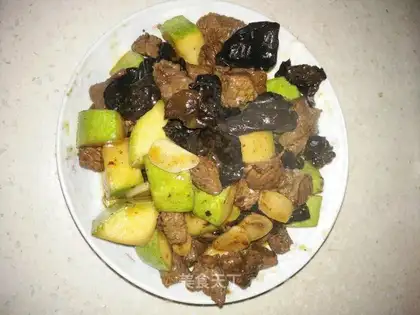
The flesh gourd, scientifically known as Coccinia grandis, is a tropical vine widely cultivated in South Asia, Africa, and parts of the Middle East. Locally known as "tendli," "tindora," or "ivy gourd," this slender, dark green vegetable is a staple in traditional cuisines, valued for its crisp texture, mild flavor, and versatility in cooking. Beyond its culinary appeal, the flesh gourd is a nutritional powerhouse, offering a range of health benefits. However, like all foods, it must be consumed mindfully to avoid potential risks. This article explores the nutritional profile, health benefits, and precautions associated with the flesh gourd, providing a comprehensive guide for incorporating this vegetable into a balanced diet.
Nutritional Value of the Flesh Gourd
The flesh gourd is low in calories yet rich in essential vitamins, minerals, and bioactive compounds, making it an ideal addition to weight management and overall health diets. A 100-gram serving of raw flesh gourd contains approximately:
- Calories: 20–25 kcal
- Carbohydrates: 4–5 grams (including 2–3 grams of fiber)
- Protein: 1–1.5 grams
- Fat: Less than 0.1 grams
- Vitamins:
- Vitamin C: 15–20 mg (25–30% of the Daily Value, DV), a potent antioxidant that supports immune function and skin health.
- Vitamin A: 800–1000 IU (as beta-carotene), crucial for vision, cell growth, and immune regulation.
- B Vitamins: Small amounts of folate (B9), riboflavin (B2), and niacin (B3), which aid energy metabolism and nerve function.
- Minerals:
- Potassium: 150–200 mg (3–4% of DV), important for blood pressure regulation and fluid balance.
- Calcium: 20–30 mg (2–3% of DV), supporting bone health.
- Iron: 0.3–0.5 mg (2–3% of DV), essential for oxygen transport in the blood.
- Zinc: 0.1–0.2 mg, contributing to immune function and wound healing.
- Phytochemicals: The flesh gourd contains alkaloids (such as coccinine), flavonoids, and polyphenols, which exhibit antioxidant and anti-inflammatory properties.
Its high water content (over 90%) and low glycemic index (GI) further enhance its nutritional value, making it suitable for hydration and blood sugar control.
Health Benefits of the Flesh Gourd
The combination of vitamins, minerals, and phytochemicals in the flesh gourd confers numerous health benefits, supported by both traditional use and emerging scientific research.
1. Regulates Blood Sugar Levels
One of the most well-documented benefits of the flesh gourd is its ability to lower blood sugar, making it valuable for individuals with diabetes or prediabetes. Studies suggest that the alkaloid coccinine and other compounds in the vegetable inhibit the enzyme alpha-amylase, which breaks down carbohydrates into glucose. By slowing carbohydrate digestion, the flesh gourd reduces post-meal blood sugar spikes. Additionally, its high fiber content improves insulin sensitivity, allowing cells to utilize glucose more efficiently. A 2016 study published in the Journal of Ethnopharmacology found that regular consumption of flesh gourd extract significantly reduced fasting blood glucose levels in diabetic rats.
2. Supports Weight Management
With its low calorie and high fiber content, the flesh gourd is an excellent food for weight control. Fiber promotes satiety, reducing overall calorie intake by curbing hunger pangs. The vegetable’s water content also adds volume to meals without adding calories, helping individuals feel full longer. Furthermore, its mild flavor allows it to be incorporated into a variety of dishes—from stir-fries to curries—without compromising taste, making it easier to maintain a calorie-deficient diet.
3. Boosts Immune Function
The flesh gourd is rich in vitamin C, a key nutrient for immune health. Vitamin C stimulates the production of white blood cells, which defend the body against infections, and acts as an antioxidant, neutralizing harmful free radicals that can damage immune cells. The vegetable also contains small amounts of zinc, which further supports immune cell development and function. Regular consumption may reduce the severity and duration of common colds and other infections.
4. Promotes Heart Health
The potassium and fiber in the flesh gourd contribute to cardiovascular health. Potassium helps counteract the effects of sodium, lowering blood pressure and reducing the risk of hypertension. Fiber, particularly soluble fiber, binds to cholesterol in the digestive system, preventing its absorption and lowering LDL ("bad") cholesterol levels. By improving blood lipid profiles and reducing blood pressure, the flesh gourd may decrease the risk of atherosclerosis, heart attacks, and strokes.
5. Enhances Skin and Eye Health
The high vitamin A content (as beta-carotene) in the flesh gourd is vital for maintaining healthy skin and vision. Beta-carotene is converted into vitamin A in the body, which supports skin cell regeneration, reduces inflammation, and protects against UV damage. Vitamin A also prevents night blindness and age-related macular degeneration by preserving the health of the retina. Additionally, the vitamin C in the vegetable aids collagen synthesis, keeping skin firm and elastic.
6. Possesses Anti-Inflammatory Properties
Chronic inflammation is linked to numerous diseases, including diabetes, arthritis, and cancer. The flavonoids and polyphenols in the flesh gourd exhibit potent anti-inflammatory effects by inhibiting pro-inflammatory enzymes like cyclooxygenase (COX) and cytokines. These compounds may help alleviate symptoms of inflammatory conditions such as arthritis and reduce the risk of chronic diseases.
7. Supports Digestive Health
The fiber in the flesh gourd promotes regular bowel movements and prevents constipation by adding bulk to stool and feeding beneficial gut bacteria. A healthy gut microbiome, supported by prebiotic fiber, is linked to improved digestion, nutrient absorption, and reduced risk of gastrointestinal disorders like irritable bowel syndrome (IBS).
Precautions and Potential Side Effects
While the flesh gourd is generally safe for most people, certain precautions must be taken to avoid adverse effects.
1. Blood Sugar-Lowering Medications
Individuals taking diabetes medications (e.g., metformin, insulin) should consume flesh gourd in moderation, as its blood sugar-lowering effects may lead to hypoglycemia (low blood sugar). Symptoms of hypoglyc include dizziness, sweating, and confusion. It is advisable to monitor blood sugar levels regularly and consult a healthcare provider before incorporating large amounts of the vegetable into the diet.
2. Pregnancy and Breastfeeding
Pregnant and breastfeeding women should consume flesh gourd in moderation. While the vegetable is nutritious, excessive intake of its alkaloids (e.g., coccinine) may potentially affect uterine contractions or fetal development. Limited human studies exist, so caution is recommended.
3. Kidney Stones
The flesh gourd contains oxalates, compounds that can bind to calcium and form kidney stones in susceptible individuals. Those with a history of calcium oxalate kidney stones should limit their intake and ensure adequate hydration to reduce the risk.
4. Allergic Reactions
Although rare, some individuals may experience allergic reactions to the flesh gourd, such as itching, swelling, or difficulty breathing. Those with known allergies to other members of the Cucurbitaceae family (e.g., cucumbers, melons) should exercise caution.
5. Pesticide Residues
Conventionally grown flesh gourds may contain pesticide residues. To minimize exposure, opt for organic produce or wash the vegetable thoroughly with running water and a vegetable brush before consumption.
Culinary Uses and Preparation Tips
The flesh gourd’s versatility makes it easy to incorporate into a healthy diet. Here are some popular preparation methods:
- Stir-fries: Sliced flesh gourd pairs well with spices like cumin, turmeric, and chili, as well as other vegetables like onions and tomatoes.
- Curries: In Indian cuisine, flesh gourd is often cooked in coconut milk or tomato-based curries with lentils for added protein.
- Pickles: Tender flesh gourds are pickled with spices, oil, and vinegar for a tangy, long-lasting condiment.
- Salads: Young, tender flesh gourds can be thinly sliced and added to raw salads for a crunchy texture.
- Soups: The vegetable can be boiled and added to soups for flavor and nutrients.
To retain maximum nutritional value, avoid overcooking the flesh gourd. Light sautéing or steaming is preferable to boiling, which can cause water-soluble vitamins (e.g., vitamin C) to leach into the cooking water.
Conclusion
The flesh gourd is a nutrient-dense vegetable that offers a wide range of health benefits, from blood sugar regulation to immune support and heart health. Its low calorie, high fiber, and rich phytochemical profile make it an excellent addition to a balanced diet. However, moderation is key, particularly for individuals with diabetes, kidney issues, or pregnancy concerns. By understanding its nutritional value, benefits, and precautions, one can harness the full potential of this humble vegetable to enhance overall health and well-being. Whether stir-fried, curried, or pickled, the flesh gourd is a delicious and nutritious choice for those seeking to optimize their diet.