When the crisp air of autumn paints landscapes in warm hues, a quiet yet remarkable vegetable takes center stage in gardens and markets: the autumn cucumber. Often overshadowed by its summer counterpart, the autumn cucumber—a late-harvest variety thriving in the cooler, shorter days of fall—emerges as a nutritional gem. With its crisp texture, mild flavor, and unique growing conditions, this vegetable offers a distinct blend of vitamins, minerals, and bioactive compounds that support health in myriad ways. From hydration to heart health, digestion to skin care, the autumn cucumber is a testament to nature’s ability to nourish us through seasonal shifts. However, like all foods, it carries nuances in consumption. This article delves into the nutritional profile, health benefits, and precautions associated with autumn cucumbers, offering a comprehensive guide to incorporating this seasonal treasure into a balanced diet.
I. Nutritional Profile: The Autumn Cucumber’s Hidden Wealth
Autumn cucumbers (Cucumis sativus) belong to the Cucurbitaceae family, closely related to melons and squash. What sets them apart from summer cucumbers is their slower growth cycle, which allows them to accumulate higher concentrations of certain nutrients as they ripen in the cooler temperatures of September to November. A 100-gram serving of raw autumn cucumber—approximately half a medium cucumber—contains just 15 calories, making it a low-calorie, high-volume food ideal for weight management.
Macronutrients: Hydration and Fiber
Water constitutes over 95% of an autumn cucumber’s weight, earning it the reputation as a “natural hydrator.” In autumn, when dry air and indoor heating can dehydrate the body, this vegetable becomes a vital source of fluids, helping to maintain cellular function, regulate body temperature, and support kidney health.
Fiber, though present in modest amounts (0.5 grams per 100 grams), is primarily insoluble, which aids digestion by adding bulk to stool and preventing constipation. The small amount of soluble fiber (0.1 grams) forms a gel-like substance in the gut, which helps slow sugar absorption and lower cholesterol levels.
Micronutrients: Vitamins and Minerals
Autumn cucumbers are a rich source of several key vitamins and minerals, many of which are more concentrated in this late-harvest variety:
- Vitamin K: At 16 micrograms (mcg) per 100 grams (about 13% of the Daily Value, DV), vitamin K is essential for blood clotting and bone health. Autumn cucumbers, exposed to less intense sunlight than summer varieties, retain more of this fat-soluble vitamin, which works synergistically with vitamin D to enhance calcium absorption in bones.
- Vitamin C: A 100-gram serving provides 8.4 mg of vitamin C (14% DV), an antioxidant that boosts immune function, supports collagen synthesis for skin health, and protects cells from oxidative stress. The cooler autumn temperatures may slow the degradation of vitamin C in the cucumber, preserving its levels.
- Potassium: With 147 mg per 100 grams (3% DV), autumn cucumbers contribute to electrolyte balance, nerve function, and blood pressure regulation. Potassium counteracts the effects of sodium, helping to relax blood vessel walls and reduce hypertension risk.
- Manganese: A trace mineral critical for metabolism and antioxidant defense, autumn cucumbers provide 0.1 mg per 100 grams (2% DV). Manganese activates enzymes that break carbohydrates, proteins, and fats, while also protecting cells from free radical damage.
- Folate (Vitamin B9): At 7 mcg per 100 grams (2% DV), folate supports DNA synthesis and repair, making it particularly important during pregnancy and periods of rapid cell growth.
Bioactive Compounds: Antioxidants and Anti-Inflammatories
Beyond basic nutrients, autumn cucumbers contain unique bioactive compounds that enhance their health benefits:
- Cucurbitacins: These triterpenoid compounds, though bitter in high concentrations, have potent anti-inflammatory and anticancer properties. In autumn cucumbers, cucurbitacins are present in low levels, acting as antioxidants to neutralize free radicals and reduce chronic inflammation.
- Lignans: Such as pinoresinol, lariciresinol, and secoisolariciresinol, lignans are plant compounds that act as phytoestrogens. Studies suggest they may help balance hormone levels, reduce breast and prostate cancer risk, and improve heart health by lowering LDL (“bad”) cholesterol.
- Flavonoids: Quercetin and apigenin, two flavonoids found in autumn cucumbers, have antioxidant, anti-allergic, and neuroprotective effects. They inhibit the release of histamine (reducing allergy symptoms) and protect brain cells from oxidative damage, potentially lowering the risk of neurodegenerative diseases.
II. Health Benefits: How Autumn Cucumbers Support Wellness
The nutrient density of autumn cucumbers translates into a range of health benefits, from physical vitality to chronic disease prevention.
1. Enhanced Hydration and Detoxification
As autumn brings drier air, maintaining hydration becomes crucial for preventing headaches, fatigue, and dry skin. With 95% water content, autumn cucumbers are a “hydration hero,” replenishing fluids lost through sweat and respiration. Additionally, their high water content supports kidney function by flushing out toxins and waste products through urine. The combination of water and potassium also helps reduce water retention, alleviating bloating—a common concern during seasonal transitions.
2. Digestive Health and Gut Microbiome Balance
The insoluble fiber in autumn cucumbers promotes regular bowel movements by adding bulk to stool, preventing constipation. Meanwhile, the soluble fiber feeds beneficial gut bacteria, such as Bifidobacterium and Lactobacillus, which are essential for a healthy gut microbiome. A balanced microbiome enhances nutrient absorption, strengthens the gut barrier (reducing inflammation), and supports immune function. Cucumbers also contain the enzyme erepsin, which aids in protein digestion, easing the burden on the pancreas and intestines.
3. Heart Health and Blood Pressure Regulation
Hypertension, a leading risk factor for heart disease, affects nearly half of adults globally. Autumn cucumbers contribute to heart health in multiple ways:
- Potassium: As a natural vasodilator, potassium relaxes blood vessel walls, lowering blood pressure. A diet rich in potassium (and low in sodium) is associated with a 20% reduced risk of stroke.
- Fiber: Soluble fiber binds to cholesterol in the digestive tract, preventing its absorption into the bloodstream. This lowers LDL cholesterol, a key contributor to atherosclerosis (plaque buildup in arteries).
- Antioxidants: Flavonoids and vitamin C reduce oxidative stress in blood vessels, improving endothelial function (the ability of arteries to dilate and contract properly).
4. Weight Management and Satiety
For those aiming to lose or maintain weight, autumn cucumbers are an ideal food. With just 15 calories per 100 grams, they can be consumed in large quantities without exceeding daily calorie goals. Their high water and fiber content increase satiety (the feeling of fullness), reducing overall calorie intake. For example, adding a cup of chopped autumn cucumber to a meal can displace higher-calorie foods while providing volume, making it easier to adhere to a calorie-controlled diet.
5. Skin and Hair Health
Autumn’s cooler, drier air can leave skin dry and hair brittle. Autumn cucumbers counteract this with their high vitamin C content, which is essential for collagen production—the protein that gives skin its elasticity and strength. Collagen also helps wounds heal faster and reduces the appearance of fine lines and wrinkles. Additionally, the silica in cucumbers (a trace mineral) promotes collagen formation and strengthens connective tissues, improving skin elasticity and hair strength. When applied topically, cucumber juice soothes sunburn, reduces puffiness around the eyes, and hydrates dry skin, thanks to its anti-inflammatory and astringent properties.
6. Blood Sugar Control
Despite their mild sweetness, autumn cucumbers have a low glycemic index (GI) of 15, meaning they cause a slow, gradual rise in blood sugar levels. This makes them a safe choice for people with diabetes or insulin resistance. The fiber and polyphenols in cucumbers further enhance blood sugar control by slowing carbohydrate digestion and improving insulin sensitivity. A 2021 study published in Nutrients found that regular cucumber consumption was associated with a 12% lower risk of type 2 diabetes in adults.
7. Cancer Prevention Potential
While no food can “cure” cancer, the bioactive compounds in autumn cucumbers may reduce cancer risk by inhibiting tumor growth and metastasis. Cucurbitacins, for example, have been shown to induce apoptosis (programmed cell death) in cancer cells, particularly in breast, lung, and prostate cancers. Lignans, meanwhile, may reduce estrogen levels in the body, lowering the risk of hormone-sensitive cancers. A 2019 review in Anticancer Research highlighted that flavonoids like quercetin in cucumbers protect DNA from damage caused by free radicals, a key step in cancer development.
III. Precautions and Potential Side Effects
While autumn cucumbers are generally safe for most people, certain precautions should be taken to maximize their benefits and avoid adverse effects.
1. Pesticide Residues and Organic Options
Cucumbers are often treated with pesticides to protect them from pests, which can leave residues on the skin. These residues may pose health risks, particularly for children, pregnant women, and individuals with compromised immune systems. To minimize exposure, choose organic autumn cucumbers when possible, as they are grown without synthetic pesticides. If organic options are unavailable, wash conventionally grown cucumbers thoroughly under running water for 30 seconds, or peel them (though peeling removes some fiber and nutrients).
2. Digestive Discomfort in Sensitive Individuals
While fiber is beneficial for digestion, excessive intake of insoluble fiber can cause bloating, gas, or diarrhea in people with irritable bowel syndrome (IBS) or a sensitive digestive system. For such individuals, starting with small portions of autumn cucumbers (e.g., ¼ cup, chopped) and gradually increasing intake can help the gut adapt. Cooking cucumbers (e.g., steaming or stir-frying) also breaks down fiber, making them easier to digest.
3. Blood Sugar Interactions in Diabetics
Although autumn cucumbers have a low GI, people taking diabetes medications (e.g., insulin or sulfonylureas) should monitor their blood sugar closely when consuming large amounts. The fiber in cucumbers can enhance the effects of these medications, leading to hypoglycemia (low blood sugar). Consulting a healthcare provider or dietitian is advisable for individuals on diabetes medication.
4. Allergic Reactions (Rare)
Cucumber allergies are uncommon but can occur, particularly in individuals allergic to other fruits or vegetables in the Cucurbitaceae family (e.g., melons, zucchini). Symptoms may include itching, hives, swelling of the lips or tongue, or in severe cases, anaphylaxis. People with known allergies should avoid autumn cucumbers and consult an allergist for confirmation.
5. Kidney Stone Risk (High Oxalate Content)
While autumn cucumbers are low in oxalates (compared to spinach or rhubarb), individuals with a history of calcium oxalate kidney stones should consume them in moderation. Oxalates can bind to calcium in the urine, forming stones that cause pain and blockage. For stone-prone individuals, limiting cucumber intake to 1–2 servings per day and pairing it with calcium-rich foods (e.g., yogurt) to bind oxalates in the gut is recommended.
6. Contamination and Food Safety
Like all fresh produce, autumn cucumbers can be contaminated with harmful bacteria (e.g., Salmonella or E. coli) if not handled properly. To reduce risk:
- Wash hands thoroughly before and after handling cucumbers.
- Store cucumbers in the refrigerator at 4°C (39°F) or below to prevent bacterial growth.
- Avoid cutting cucumbers with the same knife or cutting board used for raw meat, poultry, or fish.
IV. Incorporating Autumn Cucumbers into Your Diet
Autumn cucumbers are versatile and can be enjoyed in countless ways. Here are some ideas to make the most of their nutritional benefits:
- Raw Snacks: Slice cucumbers and dip them in hummus, guacamole, or Greek yogurt for a crunchy, protein-rich snack.
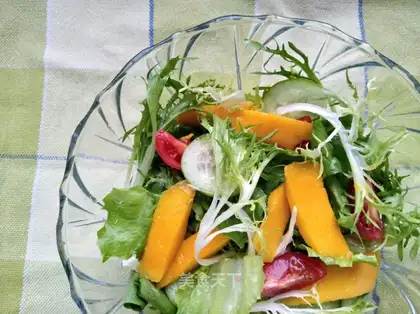
- Salads: Add diced cucumbers to green salads, grain bowls, or pasta salads for extra hydration and crunch.
- Smoothies: Blend cucumbers with spinach, berries, and almond milk for a refreshing, nutrient-packed smoothie.
- Infused Water: Soak cucumber slices with lemon, mint, or ginger in water for a flavorful, hydrating drink.
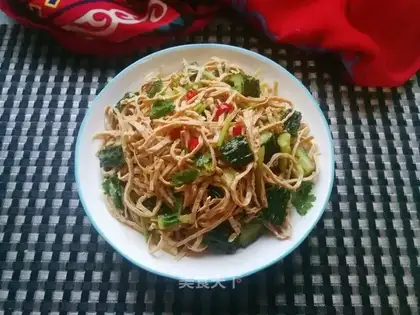
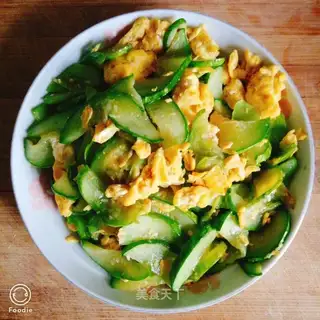
- Cooked Dishes: Sauté cucumbers with garlic and olive oil as a side dish, or add them to stir-fries and curries. Lightly cooking cucumbers enhances their sweetness and makes them easier to digest for sensitive individuals.
- Pickles: Ferment autumn cucumbers to make probiotic-rich pickles, which support gut health. Avoid store-bought pickles loaded with sodium; instead, make your own using apple cider vinegar and spices.
V. Conclusion
The autumn cucumber, often overlooked in favor of its summer counterpart, is a nutritional powerhouse packed with hydration, fiber, vitamins, and bioactive compounds. From supporting heart health and digestion to enhancing skin vitality and aiding weight management, this seasonal vegetable offers a wealth of benefits. However, mindful consumption—choosing organic produce, moderating intake for sensitive individuals, and practicing food safety—is key to unlocking its full potential. As autumn’s crisp air invites us to embrace seasonal eating, the humble cucumber stands out as a versatile, delicious, and healthful addition to any diet. By incorporating this “cool” vegetable into meals, we nourish our bodies with nature’s wisdom and savor the best of what the season has to offer.