Introduction
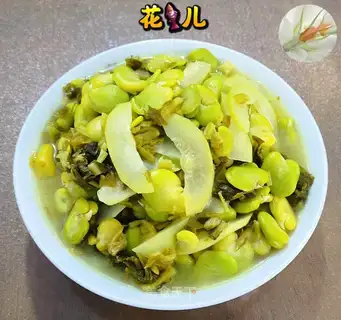
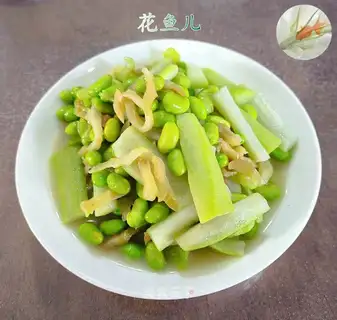
In the diverse world of edible gourds, the night-blooming squash—known by various names such as yōng huā (夜开花) in Mandarin, bottle gourd in English, and lauki in Hindi—stands out as a humble yet remarkably nutritious ingredient. With its pale green, smooth exterior and elongated, bottle-like shape, this vegetable has been a staple in cuisines across Asia, Africa, and the Middle East for centuries. Beyond its culinary adaptability—from curries and soups to stir-fries and desserts—the night-blooming squash is packed with essential nutrients, offering a range of health benefits. However, like many natural foods, it must be consumed with awareness of potential precautions. This article explores the nutritional profile, health benefits, culinary uses, and important consumption considerations of this underrated vegetable.
Nutritional Profile: A Low-Calorie Nutrient-Dense Powerhouse
The night-blooming squash is celebrated for its impressive nutritional density while remaining low in calories, making it an excellent choice for weight management and overall health. A 100-gram serving of raw bottle gourd contains approximately 12–15 calories, 0.6 grams of protein, 0.1 grams of fat, and 3 grams of carbohydrates, including 1 gram of dietary fiber. Its high water content (over 90%) contributes to its hydrating properties, making it ideal for warm climates or post-workout recovery.
Rich in essential vitamins and minerals, the vegetable is a good source of vitamin C (an antioxidant that supports immune function and skin health), vitamin B6 (crucial for metabolism and brain health), and folate (important for cell division and pregnancy). It also provides minerals like potassium (which regulates blood pressure and fluid balance), magnesium (supports muscle and nerve function), and manganese (aids in bone formation and antioxidant defense). Notably, it is low in sodium, making it suitable for individuals managing hypertension.
One of its standout nutrients is pectin, a soluble fiber found in its flesh. Pectin acts as a prebiotic, feeding beneficial gut bacteria and promoting digestive health. Additionally, the squash contains small amounts of polyphenols and flavonoids, compounds with anti-inflammatory and antioxidant properties that help combat oxidative stress in the body.
Health Benefits: From Hydration to Heart Health
The consumption of night-blooming squash is associated with a multitude of health benefits, backed by both traditional medicine and modern scientific research.
1. Hydration and Detoxification
With its extremely high water content, the squash is a natural hydrator, helping to maintain fluid balance in the body. Traditional medicine systems, such as Ayurveda, have long used it to "detox" the body, as its diuretic properties promote urine production and flush out toxins. This makes it particularly beneficial for individuals with kidney issues or those prone to urinary tract infections.
2. Digestive Health
The fiber and pectin in night-blooming squash play a pivotal role in digestion. Fiber adds bulk to stool, preventing constipation, while pectin soothes the digestive tract and alleviates issues like indigestion and acidity. In traditional Chinese medicine, the squash is often recommended for "cooling" the digestive system, making it a remedy for heartburn and bloating.
3. Weight Management
Low in calories and high in fiber and water, the squash is a filling food that aids in weight control. Fiber slows gastric emptying, reducing hunger pangs and overeating, while its minimal caloric contribution allows for generous portions without guilt. For example, a bottle gourd curry or soup can serve as a satisfying, low-calorie meal, supporting weight loss efforts.
4. Cardiovascular Health
The squash’s potassium content helps counteract the effects of sodium, lowering blood pressure and reducing the risk of hypertension—a major risk factor for heart disease. Additionally, its fiber aids in lowering LDL ("bad") cholesterol by binding to bile acids in the intestines and excreting them from the body. The presence of antioxidants further protects the heart by reducing oxidative damage to blood vessels.
5. Blood Sugar Regulation
Night-blooming squash has a low glycemic index (GI), meaning it causes a slow, gradual rise in blood sugar levels rather than a spike. This makes it a suitable vegetable for individuals with diabetes or insulin resistance. The fiber in the vegetable slows the absorption of sugars, improving glycemic control. Studies in animal models have also shown that bottle gourd extract may enhance insulin sensitivity, though more human research is needed.
6. Anti-Inflammatory and Anticancer Properties
The polyphenols and flavonoids in the squash exhibit anti-inflammatory effects, which may help reduce the risk of chronic diseases such as arthritis, diabetes, and heart disease. Preliminary studies suggest that certain compounds in bottle gourd may inhibit the growth of cancer cells, particularly in breast and colon cancer. However, these findings are based on lab and animal studies, and further clinical trials are required to confirm their efficacy in humans.
7. Sleep Aid and Stress Reduction
In traditional medicine, night-blooming squash is valued for its mild sedative properties. Its high magnesium content helps relax muscles and nerves, promoting better sleep. Additionally, the vegetable contains choline, a nutrient that supports brain function and reduces stress. A warm bottle gourd soup before bed is often recommended as a natural remedy for insomnia.
Culinary Uses: From Savory to Sweet
The night-blooming squash’s mild, slightly sweet flavor and tender texture make it incredibly versatile in the kitchen. It is commonly used in both savory and sweet dishes, adapting well to various cooking methods.
1. Soups and Stews
In many Asian cuisines, the squash is a key ingredient in hearty soups. For example, in India, lauki ki sabzi (bottle gourd curry) is cooked with spices like turmeric, cumin, and coriander, often served with roti or rice. In China, yōng huā tāng (night-blooming squash soup) is simmered with pork bones or dried shrimp, creating a nourishing broth.
2. Stir-Fries and Stir-Fried Dishes
Sliced or cubed night-blooming squash stir-fried with garlic, ginger, and soy sauce makes a quick and healthy side dish. It pairs well with other vegetables like bell peppers, carrots, and mushrooms, adding crunch and color to the meal.
3. Juices and Smoothies
Due to its high water content, the squash is often juiced or blended into smoothies for a hydrating, nutrient-rich drink. In India, lauki ka juice mixed with a pinch of salt and cumin is a popular summer beverage believed to cool the body. When blended with fruits like apple or pear, it adds natural sweetness and fiber to smoothies.
4. Desserts and Sweets
Surprisingly, night-blooming squash is also used in sweet dishes. In China, yōng huā gāo (night-blooming squash cake) is made by steaming mashed squash with sugar and rice flour, resulting in a soft, pudding-like dessert. In some parts of India, grated squash is cooked with milk and sugar to make a halwa, similar to carrot pudding.
5. Stuffed Dishes
Hollowed-out night-blooming squash can be stuffed with a mixture of seasoned meat, rice, or vegetables and then baked or steamed. This method infuses the squash with flavor while keeping the filling moist and tender.
Consumption Precautions: Who Should Be Cautious?
While night-blooming squash is generally safe for most people, certain precautions must be taken to avoid adverse effects.
1. Bitter Squash: A Warning Sign
The most critical precaution is to avoid consuming bitter-tasting night-blooming squash. Some varieties contain high levels of cucurbitacins, toxic compounds that can cause severe gastrointestinal distress (nausea, vomiting, diarrhea), abdominal pain, and even organ damage if consumed in large quantities. Bitterness is a natural indicator of cucurbitacin presence, and such squash should be discarded immediately—neither cooking nor peeling will remove the toxins.
2. Pesticide Residues
As with many vegetables, night-blooming squash may contain pesticide residues if not grown organically. To minimize exposure, it is advisable to wash the squash thoroughly under running water or peel it, as pesticides often accumulate on the skin. Opting for organic varieties further reduces this risk.
3. Individuals with Low Blood Pressure
While the squash’s potassium content is beneficial for most people, those with hypotension (low blood pressure) should consume it in moderation. Potassium can lower blood pressure further, potentially causing dizziness or fainting in individuals already on medication for low blood pressure.
4. Digestive Sensitivity
The high fiber content in night-blooming squash may cause bloating, gas, or diarrhea in individuals with sensitive digestive systems or irritable bowel syndrome (IBS). Cooking the squash thoroughly and starting with small portions can help mitigate these effects.
5. Pregnancy and Breastfeeding
Pregnant and breastfeeding women should consume night-blooming squash in moderation. While it is a source of folate and other nutrients, excessive intake may lead to digestive discomfort. Additionally, there is limited research on its safety during pregnancy, so consulting a healthcare provider is advisable.
Conclusion
The night-blooming squash is a nutritional and culinary gem, offering a unique combination of hydration, fiber, vitamins, and minerals that support overall health. From aiding digestion and weight management to promoting heart health and hydration, its benefits are as diverse as its culinary applications. However, like all foods, it must be consumed wisely—avoiding bitter varieties, washing thoroughly, and considering individual health conditions.
In a world where processed foods dominate, the night-blooming squash stands as a reminder of the power of simple, natural ingredients. Whether in a comforting soup, a refreshing juice, or a sweet dessert, this humble vegetable has earned its place as a staple in healthy diets across the globe. By understanding its nutritional value and respecting its precautions, we can fully embrace the night-blooming squash as a cornerstone of nutritious and delicious eating.