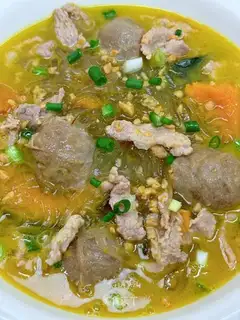
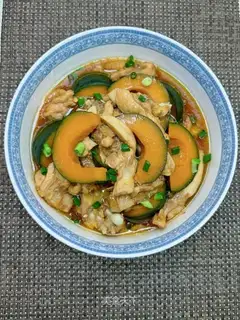
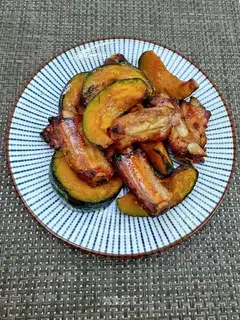
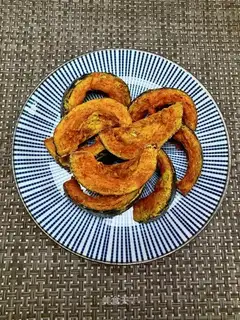
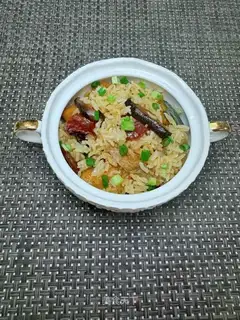
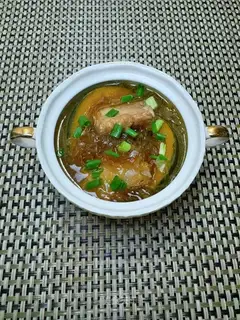
In the realm of modern superfoods, few ingredients have captured the culinary and health world’s attention quite like the Baby Pumpkin, affectionately known as "Beibei Pumpkin" (贝贝南瓜) in China. This small, dark green-striped squash, with its vibrant orange flesh and nutty-sweet flavor, has transcended its status as a mere seasonal vegetable to become a staple in health-conscious diets worldwide. Beyond its delightful taste, Beibei Pumpkin is a nutritional treasure trove, offering a unique blend of vitamins, minerals, antioxidants, and dietary fibers. This article delves into the nutritional profile, health benefits, culinary versatility, and important precautions associated with Beibei Pumpkin, providing a comprehensive guide to this humble yet extraordinary ingredient.
I. Nutritional Profile: A Compact Nutrient Bundle
Beibei Pumpkin (Cucurbita maxima) is a member of the Cucurbitaceae family, closely related to butternut squash and acorn squash. What sets it apart is its concentrated nutrient density relative to its small size—typically weighing 300-500 grams, making it easy to incorporate into meals without waste. Its nutritional value is rooted in three key components: vitamins, minerals, and bioactive compounds.
1. Vitamins: The Energy and Immunity Boosters
- Vitamin A (as Beta-Carotene): Beibei Pumpkin is one of the richest natural sources of beta-carotene, a pigment converted into vitamin A in the body. A 100-gram serving provides approximately 170% of the daily recommended intake (DRI) of vitamin A. This nutrient is critical for vision health (preventing night blindness and age-related macular degeneration), immune function, and skin integrity. Beta-carotene also acts as a potent antioxidant, neutralizing free radicals that cause cellular damage.
- Vitamin C: Though less abundant than in citrus fruits, Beibei Pumpkin still offers a respectable 15% of the DRI per 100 grams. Vitamin C enhances collagen production for wound healing, supports iron absorption, and bolsters immune defenses against infections.
- Vitamin E and B Vitamins: The squash contains vitamin E, another antioxidant that protects cell membranes, along with B vitamins like folate (B9), which is vital for DNA synthesis and fetal development during pregnancy.
2. Minerals: The Building Blocks of Health
- Potassium: Beibei Pumpkin is a potassium-rich food, with 100 grams providing ~350 mg (around 7% of DRI). Potassium regulates fluid balance, nerve signals, and muscle contractions, and helps counteract the blood pressure-raising effects of sodium.
- Magnesium: This mineral, present at ~25 mg per 100 grams, supports over 300 enzymatic reactions in the body, including energy production, protein synthesis, and blood sugar control.
- Iron and Zinc: While not as high as in red meat, Beibei Pumpkin provides plant-based iron (essential for preventing anemia) and zinc (crucial for immune function and wound healing), especially when paired with vitamin C to enhance absorption.
3. Dietary Fiber and Low Calories
A 100-gram serving of Beibei Pumpkin contains ~3 grams of dietary fiber, including soluble fiber (like pectin) that slows digestion, stabilizes blood sugar, and feeds beneficial gut bacteria. With just 26 calories per 100 grams, it is an ideal food for weight management, promoting satiety without excess calorie intake.
4. Bioactive Compounds: Beyond Basic Nutrition
Beibei Pumpkin is rich in antioxidants like alpha-carotene, lutein, and zeaxanthin, which have been linked to reduced risks of chronic diseases, including heart disease and certain cancers. Additionally, it contains cucurbitacins, triterpenoid compounds studied for their anti-inflammatory and potential anti-cancer properties (though more research is needed in humans).
II. Health Benefits: From Disease Prevention to Wellness
The synergy of nutrients in Beibei Pumpkin translates to a range of evidence-based health benefits, making it a valuable addition to a balanced diet.
1. Supports Vision Health
The high beta-carotene content is a boon for eye health. Once converted to vitamin A, it maintains the cornea and prevents conditions like xerophthalmia (dry eyes). Lutein and zeaxanthin, on the other hand, accumulate in the retina and filter harmful blue light, reducing the risk of cataracts and macular degeneration—age-related eye conditions that are leading causes of blindness globally.
2. Boosts Immune Function
Vitamin A and C in Beibei Pumpkin work synergistically to strengthen the immune system. Vitamin A stimulates the production and activity of white blood cells, while vitamin C enhances their ability to fight pathogens. Studies show that vitamin A deficiency impairs immune responses, making adequate intake critical, especially for children and the elderly.
3. Regulates Blood Sugar and Diabetes Management
Beibei Pumpkin’s low glycemic index (GI ~55) and high fiber content make it a diabetic-friendly food. Soluble fiber delays carbohydrate digestion, preventing sharp spikes in blood glucose levels. Animal studies suggest that compounds in pumpkin may improve insulin sensitivity; for instance, a 2017 study in Journal of Medicinal Food found that pumpkin extract reduced blood sugar in diabetic rats. While human trials are limited, incorporating whole Beibei Pumpkin into meals is a practical strategy for blood sugar control.
4. Promotes Digestive Health
Fiber is the cornerstone of digestive wellness, and Beibei Pumpkin excels in this regard. It alleviates constipation by adding bulk to stool and promoting bowel movements. The soluble fiber also acts as a prebiotic, nourishing Bifidobacteria and Lactobacillus—beneficial gut bacteria that enhance nutrient absorption and reduce inflammation in the gut. For those with irritable bowel syndrome (IBS), its mild, non-gassy nature makes it easier to digest than other high-fiber foods.
5. Enhances Heart Health
Beibei Pumpkin contributes to cardiovascular wellness through multiple mechanisms:
- Potassium balances sodium levels, lowering blood pressure.
- Fiber reduces LDL ("bad") cholesterol by binding to bile acids in the intestines, which are then excreted (forcing the liver to use blood cholesterol to produce new bile acids).
- Antioxidants prevent oxidation of LDL cholesterol, a key step in the development of atherosclerosis (plaque buildup in arteries).
6. Supports Weight Management
With its low calorie density and high fiber and water content (~90% water), Beibei Pumpkin promotes satiety, reducing overall calorie intake. A 2016 study in Nutrition Journal found that consuming high-volume, low-calorie foods like squash increases fullness and decreases subsequent snacking—making it a valuable tool for weight loss and maintenance.
7. Anti-Inflammatory and Potential Anti-Cancer Properties
Chronic inflammation is a driver of many diseases, including cancer, diabetes, and heart disease. Beibei Pumpkin’s antioxidants (beta-carotene, vitamin C, and cucurbitacins) inhibit pro-inflammatory enzymes like COX-2. While research on cucurbitacins in humans is preliminary, lab studies have shown they induce apoptosis (programmed cell death) in cancer cells and inhibit tumor growth. Additionally, the fiber in pumpkin may reduce colorectal cancer risk by promoting regular bowel movements and diluting carcinogens in the colon.
III. Culinary Uses: Versatility in the Kitchen
Beibei Pumpkin’s appeal extends beyond nutrition to its culinary flexibility. Its sweet, nutty flavor and creamy texture when cooked make it suitable for both sweet and savory dishes.
1. Cooking Methods
- Steaming or Roasting: Steaming preserves nutrients best, while roasting caramelizes its natural sugars, enhancing sweetness. A simple preparation: halve the pumpkin, scoop out seeds, roast at 200°C for 20-30 minutes until tender, and season with a drizzle of olive oil and a sprinkle of sea salt.
- Boiling: Useful for making purées or soups, though some water-soluble vitamins (like vitamin C) may be lost in the cooking water.
- Microwaving: The quickest method—pierce the skin, microwave for 5-8 minutes, and it’s ready to eat.
2. Sweet Dishes
- Desserts: Beibei Pumpkin purée is a staple in autumnal desserts like pumpkin pie, pudding, and muffins. Its natural sweetness reduces the need for added sugar.
- Breakfast: Mix purée into oatmeal, yogurt, or smoothies for a nutrient boost.
3. Savory Dishes
- Soups and Stews: Add chunks of Beibei Pumpkin to soups (e.g., pumpkin and ginger soup) or stews for creaminess and depth.
- Salads: Roast cubes and toss with arugula, feta cheese, and a balsamic glaze for a hearty salad.
- Main Courses: Use as a side dish for roasted meats or incorporate into curries and stir-fries.
4. Snacks and Staples
- Seeds: Pumpkin seeds (pepitas) are rich in magnesium, zinc, and healthy fats. Clean, roast, and season them for a crunchy snack.
- Flour: Dry and grind the seeds into flour for gluten-free baking.
IV. Precautions and Potential Side Effects
While Beibei Pumpkin is safe for most people, certain precautions should be noted:
1. Beta-Carotene and Carotenemia
Excessive consumption of beta-carotene-rich foods can cause carotenemia, a harmless condition where skin turns yellow-orange, particularly on palms and soles. This is reversible by reducing intake and does not indicate vitamin A toxicity (which is rare from plant sources).
2. Low Blood Pressure (Hypotension)
Due to its potassium content, individuals on blood pressure-lowering medications (e.g., ACE inhibitors) should consume Beibei Pumpkin in moderation to avoid a further drop in blood pressure.
3. Kidney Disease
Those with kidney disorders may need to limit potassium intake, as impaired kidneys cannot excrete excess potassium, leading to hyperkalemia (high blood potassium). Such individuals should consult a doctor before increasing Beibei Pumpkin consumption.
4. Allergies
Pumpkin allergies are rare but possible, especially in individuals allergic to other Cucurbitaceae family members (e.g., zucchini, melons). Symptoms include itching, swelling, or digestive distress.
5. Pesticide Residues
As with all produce, choose organic or thoroughly wash conventionally grown Beibei Pumpkin to minimize pesticide exposure.
V. Conclusion
Beibei Pumpkin is a nutritional powerhouse that exemplifies how humble ingredients can offer profound health benefits. Its rich profile of vitamins, minerals, fiber, and antioxidants supports vision, immunity, heart health, digestion, and weight management—all while being delicious and versatile in the kitchen. For most people, incorporating this squash into a balanced diet is a simple yet effective step toward better health. However, as with any food, moderation and awareness of individual health conditions are key. Whether roasted, steamed, or blended into a soup, Beibei Pumpkin proves that good nutrition need not be complicated—sometimes, the best superfoods are the ones grown closest to the earth.
As the saying goes, "Let food be thy medicine," and Beibei Pumpkin is a shining example of a food that nourishes the body, delights the palate, and celebrates the simple pleasures of wholesome eating.