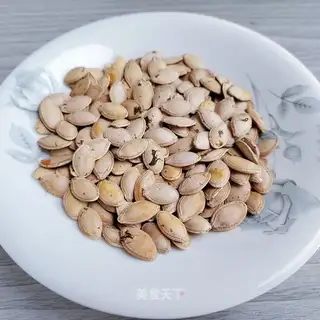
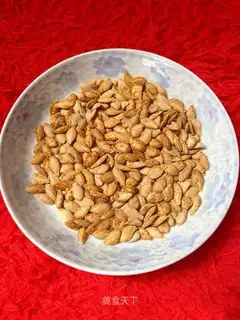
Pumpkin seeds, also known as pepitas, have been treasured for centuries across cultures, not only as a delicious snack but also as a potent source of nutrition. These small, flat, green seeds are the edible kernels of pumpkin fruits (Cucurbita pepo) and are packed with an impressive array of vitamins, minerals, antioxidants, and healthy fats. Once a seasonal byproduct of autumn harvests, pumpkin seeds have now gained global recognition as a "superfood," celebrated for their role in promoting overall health. This article explores the nutritional profile of pumpkin seeds, their evidence-based health benefits, and important precautions to consider when incorporating them into your diet.
Nutritional Profile: Why Pumpkin Seeds Stand Out
Pumpkin seeds are a nutritional powerhouse, offering a dense concentration of essential nutrients in a small serving. A 1-ounce (28-gram) serving of roasted, unsalted pumpkin seeds typically contains:
- Protein: ~9 grams, including all nine essential amino acids, making them a rare complete plant-based protein source.
- Healthy Fats: ~14 grams, primarily monounsaturated and polyunsaturated fats (including omega-3 and omega-6 fatty acids), with a favorable omega-6 to omega-3 ratio of ~3:1.
- Fiber: ~1.7 grams, aiding digestion and gut health.
- Minerals: Rich in magnesium (37% of the Daily Value, DV), iron (23% DV), zinc (17% DV), phosphorus (33% DV), and manganese (54% DV). Magnesium alone supports over 300 biochemical reactions in the body, from muscle function to blood sugar regulation.
- Vitamins: A good source of vitamin K (8% DV), vitamin E (10% DV), and B vitamins like thiamine (10% DV) and riboflavin (6% DV).
- Antioxidants: Packed with carotenoids (like beta-carotene), vitamin E, and phenolic compounds, which combat oxidative stress.
- Phytosterols: ~265 mg per serving, plant compounds that may help lower cholesterol absorption.
This unique combination of nutrients makes pumpkin seeds a valuable addition to any diet, particularly for those seeking plant-based sources of protein, healthy fats, and minerals.
Health Benefits: Backed by Science
The nutrient density of pumpkin seeds translates to a wide range of health benefits, supported by both traditional use and modern research.
1. Supports Heart Health
Heart disease remains a leading global cause of death, and pumpkin seeds may play a protective role. Their high magnesium content helps regulate blood pressure by relaxing blood vessels and improving blood flow. Studies show that individuals with higher magnesium intake have a lower risk of hypertension and heart attacks. Additionally, the phytosterols and unsaturated fats in pumpkin seeds help reduce LDL ("bad") cholesterol while increasing HDL ("good") cholesterol, further supporting cardiovascular health.
2. Boosts Immune Function
Zinc is a critical mineral for immune system function, and pumpkin seeds are one of the best plant-based sources. Zinc is essential for the development and function of immune cells, such as neutrophils and natural killer cells, which help the body fight infections. A single serving of pumpkin seeds provides ~17% of the DV for zinc, making them a valuable food for maintaining immune resilience, especially during cold and flu season.
3. Promotes Prostate and Bladder Health
Pumpkin seeds have long been used in traditional medicine to support male reproductive health, particularly prostate health. Research suggests that their high zinc and phytosterol content may help reduce symptoms of benign prostatic hyperplasia (BPH), a non-cancerous enlargement of the prostate gland. A 2011 study published in Current Urology found that pumpkin seed extract improved urinary symptoms in men with BPH. Additionally, pumpkin seeds may reduce bladder irritation and support urinary tract health in both men and women, potentially lowering the risk of urinary incontinence.
4. Enhances Sleep Quality
Struggling with sleep? Pumpkin seeds might be a natural remedy. They are an excellent source of tryptophan, an amino acid that converts to serotonin and then to melatonin—the "sleep hormone." Magnesium also plays a role here: it helps calm the nervous system and regulate melatonin production. A small study in the Journal of Orthomolecular Medicine found that participants who consumed a magnesium-rich snack (like pumpkin seeds) before bed experienced improved sleep duration and quality.
5. Aids Blood Sugar Control
For individuals with diabetes or prediabetes, pumpkin seeds may help stabilize blood sugar levels. Their high magnesium content enhances insulin sensitivity, allowing cells to use glucose more effectively. A 2017 study in Nutrients linked higher magnesium intake to a 19% lower risk of type 2 diabetes. Furthermore, the fiber and protein in pumpkin seeds slow carbohydrate digestion, preventing sharp spikes in blood sugar after meals.
6. Supports Digestive Health
The fiber in pumpkin seeds promotes regular bowel movements and prevents constipation by adding bulk to stool. Additionally, pumpkin seeds contain compounds like cucurbitin, an amino acid with anti-parasitic properties that may help eliminate intestinal worms, particularly in children. A 2004 study in Journal of Ethnopharmacology found pumpkin seed extract effective against Taenia solium (pork tapeworm) infections when combined with medication.
7. Fights Inflammation and Oxidative Stress
Chronic inflammation is linked to chronic diseases like arthritis, cancer, and heart disease. Pumpkin seeds are rich in antioxidants, including vitamin E, carotenoids, and phenolic acids, which neutralize free radicals and reduce inflammation. Studies show that pumpkin seed extract can reduce inflammatory markers like C-reactive protein (CRP) and interleukin-6 (IL-6). This makes pumpkin seeds particularly beneficial for individuals with inflammatory conditions, such as rheumatoid arthritis.
8. Promotes Healthy Skin and Hair
The zinc, vitamin E, and omega-3 fatty acids in pumpkin seeds are essential for skin and hair health. Zinc supports skin cell regeneration and repair, while vitamin E protects against UV damage and premature aging. Omega-3s help maintain skin moisture and reduce inflammation, conditions like eczema and acne. For hair, zinc prevents hair loss by supporting hair follicle health, and vitamin E improves blood circulation to the scalp, promoting hair growth.
How to Incorporate Pumpkin Seeds into Your Diet
Pumpkin seeds are incredibly versatile and can be enjoyed in numerous ways:
- Raw or Roasted: Eat them as a snack—roast lightly with a pinch of salt or spices like cinnamon or paprika for extra flavor.
- Salads and Grain Bowls: Sprinkle over salads, oatmeal, quinoa, or Buddha bowls for a crunchy texture.
- Smoothies: Add a tablespoon to smoothies for a protein and nutrient boost.
- Baking: Mix into bread, muffins, or energy bars.
- Butters: Make pumpkin seed butter (similar to peanut butter) as a spread or dip.
- Soups and Stews: Garnish with toasted pumpkin seeds for added texture and nutrients.
For maximum benefits, opt for raw or dry-roasted (not oil-roasted) pumpkin seeds without added salt or sugar. A daily serving of 1–2 ounces (28–56 grams) is sufficient to reap their health benefits.
Precautions and Potential Side Effects
While pumpkin seeds are generally safe for most people, there are a few precautions to keep in mind:
1. High in Calories
Pumpkin seeds are calorie-dense (~150 calories per ounce), so overconsumption may lead to weight gain. Stick to recommended serving sizes and incorporate them as part of a balanced diet.
2. Sodium Content
Store-bought roasted pumpkin seeds often contain added salt, which can contribute to high blood pressure in sensitive individuals. Choose unsalted versions or make your own at home.
3. Allergies
Although rare, pumpkin seed allergies can occur, particularly in individuals allergic to other seeds (like sunflower or sesame seeds) or pumpkins. Symptoms may include itching, hives, or anaphylaxis—seek medical attention if you experience adverse reactions.
4. Oxalates and Kidney Stones
Pumpkin seeds contain oxalates, compounds that can contribute to kidney stone formation in susceptible individuals. If you have a history of kidney stones, limit intake and consult a healthcare provider.
5. Blood Sugar and Blood Pressure Medications
Due to their high magnesium content, pumpkin seeds may enhance the effects of medications for diabetes or hypertension. Monitor your levels closely if taking these medications to avoid hypoglycemia or low blood pressure.
Conclusion
Pumpkin seeds are a nutritional powerhouse that offers a wealth of health benefits, from supporting heart health and immune function to improving sleep and blood sugar control. Their rich profile of protein, healthy fats, vitamins, minerals, and antioxidants makes them a valuable addition to any diet. However, moderation is key—stick to recommended serving sizes and be mindful of added sodium or allergens. Whether enjoyed as a snack, in salads, or as a butter, pumpkin seeds are a delicious and versatile way to boost your nutrient intake and promote overall well-being. As with any dietary change, consult a healthcare provider if you have underlying health conditions or concerns, and let these humble seeds become a staple in your journey toward better health.