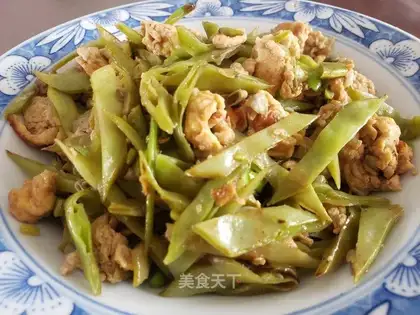
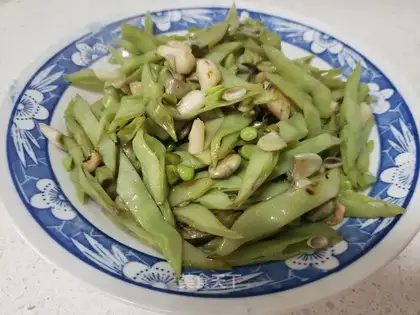
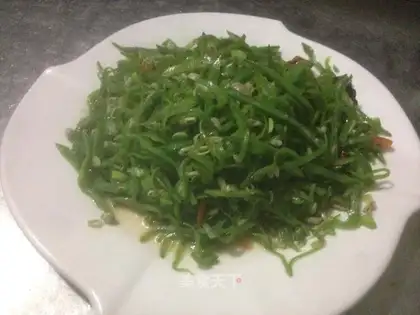
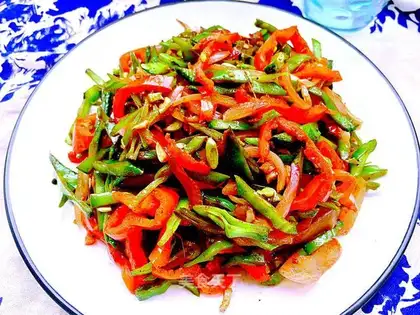
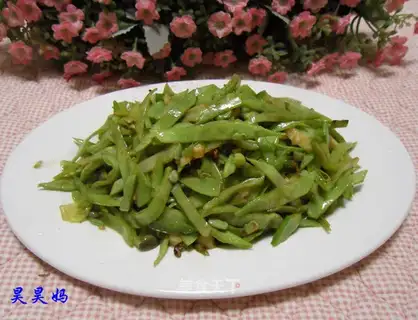
Hyacinth bean (Lablab purpureus), also known as Indian bean, Egyptian bean, or simply “drumstick bean,” is a versatile legume with a rich history spanning Africa, Asia, and the Americas. While celebrated in culinary traditions for its unique flavor and texture, hyacinth beans are also a nutritional powerhouse, offering a wealth of health benefits. However, their consumption requires caution due to natural toxins. This article explores the nutritional profile, health benefits, and critical precautions associated with hyacinth beans, providing a comprehensive guide for safe and enjoyable consumption.
Nutritional Profile: A Nutrient-Dense Legume
Hyacinth beans are a rich source of macronutrients, micronutrients, and bioactive compounds, making them a valuable addition to a balanced diet when prepared correctly.
Macronutrients
- Protein: As a legume, hyacinth beans are an excellent plant-based protein source, containing approximately 11–14 grams of protein per 100 grams of cooked beans. Protein is essential for muscle repair, immune function, and enzyme production.
- Dietary Fiber: With around 8–10 grams of fiber per 100 grams, hyacinth beans support digestive health by promoting regular bowel movements, preventing constipation, and feeding beneficial gut bacteria.
- Carbohydrates: They provide complex carbohydrates, offering sustained energy release without blood sugar spikes. The low glycemic index (GI) of hyacinth beans makes them suitable for individuals managing diabetes.
Micronutrients
- Vitamins: Hyacinth beans are rich in B vitamins, including folate (B9), which is crucial for DNA synthesis and fetal development during pregnancy. They also contain vitamin B6, which aids in metabolism and brain function, and vitamin K, essential for blood clotting and bone health.
- Minerals: These beans are a good source of iron (2–3 mg per 100 grams), which supports oxygen transport in the blood, and potassium (300–400 mg per 100 grams), which regulates blood pressure and fluid balance. Additionally, they provide magnesium, calcium, and zinc, which play roles in muscle function, bone strength, and immune health.
Bioactive Compounds
Hyacinth beans contain antioxidants like flavonoids, phenolic acids, and anthocyanins (responsible for their purple pods), which combat oxidative stress and reduce inflammation. They also offer saponins and phytic acid, compounds that may have cholesterol-lowering properties but require proper preparation to minimize nutrient absorption interference.
Health Benefits: Beyond Basic Nutrition
The unique combination of nutrients in hyacinth beans contributes to a range of health benefits, from improved digestion to chronic disease prevention.
1. Supports Digestive Health
The high fiber content in hyacinth beans promotes a healthy gut microbiome by acting as a prebiotic, nourishing beneficial bacteria like Lactobacillus and Bifidobacterium. This can reduce symptoms of irritable bowel syndrome (IBS), such as bloating and constipation. Fiber also adds bulk to stool, supporting regularity and reducing the risk of colorectal cancer.
2. Enhances Heart Health
Hyacinth beans are heart-healthy due to their fiber, potassium, and antioxidant content. Fiber helps lower LDL (“bad”) cholesterol by binding to bile acids in the digestive system, while potassium counteracts the effects of sodium, reducing blood pressure. Anthocyanins and flavonoids further protect the heart by reducing inflammation and preventing oxidative damage to blood vessels.
3. Aids in Blood Sugar Regulation
The complex carbohydrates and fiber in hyacinth beans slow down the absorption of sugar into the bloodstream, preventing rapid spikes in blood glucose levels. This makes them a valuable food for individuals with diabetes or those at risk of developing the condition. Studies suggest that regular legume consumption can improve insulin sensitivity and reduce HbA1c levels (a marker of long-term blood sugar control).
4. Boosts Immune Function
Hyacinth beans are rich in zinc and vitamin C, both critical for immune health. Zinc supports the development of immune cells and enhances their ability to fight infections, while vitamin C acts as an antioxidant, protecting immune cells from damage. Additionally, the iron in these beans helps prevent anemia, a condition that can weaken the immune system.
5. Promotes Weight Management
The high fiber and protein content in hyacinth beans increases satiety, reducing overall calorie intake. Protein also helps preserve muscle mass during weight loss, which is essential for maintaining a healthy metabolism. Including hyacinth beans in meals can prevent overeating and support long-term weight management goals.
6. Supports Pregnancy and Fetal Development
Folate (vitamin B9) is abundant in hyacinth beans, making them an excellent food for pregnant women. Adequate folate intake before and during pregnancy reduces the risk of neural tube defects (e.g., spina bifida) in developing fetuses. The iron content also helps prevent maternal anemia, a common complication during pregnancy.
Critical Precautions: Safe Consumption of Hyacinth Beans
Despite their nutritional benefits, hyacinth beans contain natural toxins that can cause adverse effects if not properly prepared. Understanding these risks is essential for safe consumption.
1. Natural Toxins: Lectins and Cyanogenic Glycosides
Raw or undercooked hyacinth beans contain high levels of phytohaemagglutinin, a type of lectin that can cause nausea, vomiting, diarrhea, and abdominal pain. Lectins are denatured by cooking, so thorough heating is non-negotiable. Additionally, some varieties of hyacinth beans contain cyanogenic glycosides, which release cyanide when metabolized. Cyanide levels are highest in the raw seeds and pods but are significantly reduced through cooking, soaking, and boiling.
2. Proper Preparation: Soaking and Cooking
To safely consume hyacinth beans, follow these steps:
- Soaking: Soak beans in water for at least 8 hours (or overnight) to reduce lectin and phytic acid content. Discard the soaking water.
- Cooking: Boil soaked beans in fresh water for at least 10–15 minutes, then simmer until tender (30–45 minutes). Pressure cooking is also effective and reduces cooking time.
- Avoid Raw Consumption: Never eat hyacinth beans raw or undercooked, as this increases the risk of toxicity.
3. Portion Control and Moderation
Even when cooked, hyacinth beans should be consumed in moderation. Overconsumption may lead to digestive discomfort due to their high fiber content. A typical serving size is ½ to 1 cup (cooked) per meal.
4. Special Considerations for Vulnerable Groups
- Pregnant and Breastfeeding Women: While folate-rich, hyacinth beans should be consumed only when fully cooked and in moderation. Consult a healthcare provider before adding them to the diet.
- Individuals with Gout: Hyacinth beans are moderate purine sources, which may trigger gout flares in susceptible individuals. Limit intake during gout attacks.
- Those with Digestive Sensitivities: The high fiber content may exacerbate symptoms in people with inflammatory bowel disease (IBD) or diverticulitis. Start with small portions and monitor tolerance.
5. Sourcing and Variety Selection
Choose fresh, mature pods (young pods are more tender and less toxic) from reputable sources. Avoid pods with signs of mold or spoilage. Note that purple-podded varieties are generally preferred for culinary use, as they tend to have lower toxin levels than some green-podded varieties.
Culinary Uses and Global Significance
Hyacinth beans are a staple in many cuisines, valued for their versatility. In India, they are used in curries, stir-fries, and pickled dishes. In African countries like Nigeria and Kenya, the young pods are steamed or boiled as a vegetable. In the American South, hyacinth beans are sometimes grown ornamentally, but their seeds are cooked and consumed in traditional dishes. The beans can be boiled, steamed, fried, or ground into flour, while the young pods can be used similarly to green beans.
Conclusion
Hyacinth beans are a nutritional and culinary treasure, offering protein, fiber, vitamins, and minerals that support digestive, heart, and immune health. However, their natural toxins—lectins and cyanogenic glycosides—demand careful preparation through soaking and thorough cooking. When consumed in moderation and prepared correctly, hyacinth beans can be a valuable addition to a healthy diet, bridging the gap between tradition and modern nutrition. By understanding their benefits and precautions, individuals can enjoy this legume safely and harness its full potential for well-being.