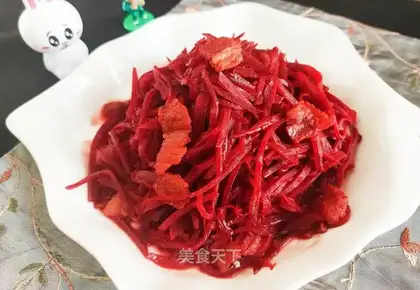
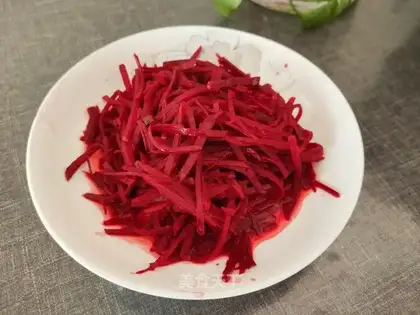
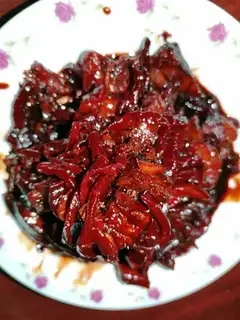
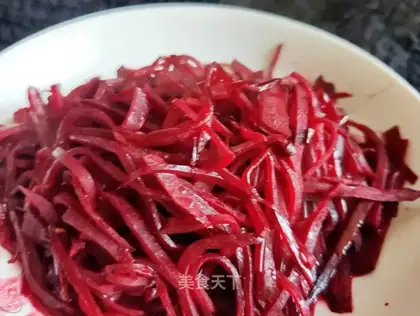
Beetroot, scientifically known as Beta vulgaris subsp. vulgaris, is a vibrant, versatile root vegetable celebrated for its deep crimson hue, earthy flavor, and impressive nutritional profile. Often called "table beet" or simply "beet," this vegetable has been cultivated for thousands of years, tracing its origins to the Mediterranean and Middle East. While its popularity has surged in recent years due to its association with health foods and superfoods, beetroot is far more than a trendy ingredient—it is a nutritional powerhouse with a range of scientifically supported health benefits, along with important considerations for safe consumption. This article explores the nutritional value of beetroot, its key health benefits, potential side effects, and practical tips for incorporating it into a balanced diet.
I. Nutritional Value of Beetroot
Beetroot’s nutritional composition is a compelling blend of vitamins, minerals, fiber, and bioactive compounds that contribute to its status as a functional food. A 100-gram serving of cooked beetroot (approximately half a cup) provides:
- Calories: Just 43 kcal, making it a low-calorie, nutrient-dense option.
- Carbohydrates: 10 grams, including 2.8 grams of fiber and 6.8 grams of natural sugars (primarily sucrose, glucose, and fructose).
- Protein: 1.6 grams, a modest amount but notable for a vegetable.
- Fat: Negligible (0.2 grams), with no saturated fat.
- Dietary Fiber: Beetroot is rich in both soluble and insoluble fiber, which supports digestive health and promotes satiety. The fiber content also includes pectin, a type of soluble fiber that aids in lowering cholesterol.
- Vitamins:
- Folate (Vitamin B9): 109 micrograms (27% of the Daily Value, DV), essential for DNA synthesis, cell growth, and fetal development.
- Vitamin C: 4.9 mg (8% DV), a powerful antioxidant that boosts immunity and skin health.
- Vitamin B6: 0.1 mg (6% DV), involved in metabolism and brain function.
- Minerals:
- Manganese: 0.3 mg (16% DV), critical for bone health, metabolism, and antioxidant defense.
- Potassium: 325 mg (7% DV), which helps regulate blood pressure and fluid balance.
- Iron: 1.1 mg (6% DV), though non-heme iron from plants is less easily absorbed than heme iron from animal sources.
- Magnesium: 23 mg (6% DV), important for muscle and nerve function.
Bioactive Compounds: The Real Superstars
Beyond macronutrients and vitamins, beetroot’s health benefits are largely attributed to its unique bioactive compounds:
- Betalains: These water-soluble pigments, responsible for beetroot’s red, yellow, or purple color, are potent antioxidants and anti-inflammatory agents. Betanin (the most abundant betalain) has been studied for its role in protecting cells from oxidative damage and reducing inflammation.
- Nitrates: Beetroot is one of the richest dietary sources of inorganic nitrates, which are converted to nitric oxide (NO) in the body. Nitric oxide is a vasodilator, meaning it relaxes and widens blood vessels, improving blood flow and oxygen delivery.
- Betaine: A compound that supports liver function, reduces homocysteine levels (an amino acid linked to heart disease), and may enhance exercise performance.
II. Key Health Benefits of Beetroot
The combination of beetroot’s nutrients and bioactive compounds confers a wide array of health benefits, backed by scientific research.
1. Supports Cardiovascular Health
Beetroot’s nitrates are its most celebrated cardiovascular ally. When converted to nitric oxide, they help:
- Lower Blood Pressure: A 2013 study in Hypertension found that drinking 250 ml of beetroot juice daily reduced systolic blood pressure by an average of 8 mmHg within 24 hours, thanks to improved vasodilation.
- Improve Endothelial Function: Nitric oxide enhances the flexibility of blood vessels, reducing the risk of atherosclerosis (hardening of the arteries).
- Reduce LDL Oxidation: Betalains in beetroot prevent the oxidation of low-density lipoprotein (LDL) cholesterol, a key step in plaque formation.
2. Enhances Exercise Performance
Athletes and fitness enthusiasts often turn to beetroot juice for its performance-boosting properties. The nitrates in beetroot:
- Increase Oxygen Efficiency: By improving blood flow to muscles, nitrates allow the body to use oxygen more effectively during exercise. A 2019 meta-analysis in Nutrients concluded that beetroot supplementation enhances endurance and time to exhaustion, particularly in high-intensity activities.
- Reduce Fatigue: Lower oxygen demand means less muscle fatigue, making beetroot a natural alternative to synthetic performance enhancers.
3. Aids Digestive Health
Beetroot’s fiber content supports a healthy gut by:
- Promoting Regularity: Insoluble fiber adds bulk to stool, preventing constipation.
- Feeding Gut Bacteria: Soluble fiber (including pectin) acts as a prebiotic, nourishing beneficial gut microbiota like Bifidobacteria and Lactobacillus, which are linked to improved immunity and reduced inflammation.
4. Has Anti-Cancer Properties
Preliminary studies suggest that beetroot’s betalains may inhibit cancer cell growth. For example:
- Betanin has been shown to reduce the proliferation of breast, prostate, and pancreatic cancer cells in test-tube studies.
- The antioxidant activity of betalains helps neutralize free radicals, which can damage DNA and trigger cancer development. While human trials are limited, adding beetroot to a diet rich in fruits and vegetables may contribute to cancer prevention.
5. Supports Liver Detoxification
Betaine, a compound found in beetroot, plays a key role in liver health by:
- Reducing Homocysteine: High homocysteine levels are associated with fatty liver disease and liver damage. Betaine helps convert homocysteine into methionine, an essential amino acid.
- Enhancing Liver Enzymes: Studies in animals suggest that betaine can increase the activity of liver enzymes involved in detoxification, though more human research is needed.
6. Boosts Brain Health
The nitrates in beetroot may also benefit cognitive function by:
- Increasing Blood Flow to the Brain: Improved cerebral blood flow is linked to better memory, attention, and decision-making, particularly in older adults. A 2018 study in Nitric Oxide found that beetroot juice improved cognitive performance in healthy older people.
- Reducing the Risk of Dementia: By enhancing blood flow and reducing oxidative stress, beetroot may help protect against age-related cognitive decline.
III. Potential Side Effects and Precautions
While beetroot is safe for most people when consumed in moderation, there are several important considerations to avoid adverse effects.
1. Beeturia: A Benign but Alarming Side Effect
Beeturia is the condition where urine turns pink or red after eating beetroot. It affects 10–14% of the population and is caused by the excretion of betalain pigments. While harmless, it can be mistaken for blood in the urine (hematuria), so individuals should be aware of this benign effect.
2. Kidney Stones: A Risk for Susceptible Individuals
Beetroot is high in oxalates, compounds that can bind to calcium and form kidney stones in people prone to this condition. Those with a history of kidney stones should limit their intake of beetroot and other high-oxalate foods (e.g., spinach, nuts).
3. Low Blood Pressure: Caution for Hypotensive Individuals
Due to its blood pressure-lowering effects, beetroot may cause dizziness or lightheadedness in people with already low blood pressure (hypotension). Individuals on medication for hypertension should consult their doctor before consuming large amounts of beetroot.
4. Digestive Discomfort: Fiber and Gas
Beetroot’s high fiber content can cause bloating, gas, or diarrhea in some people, especially when consumed suddenly in large quantities. To minimize discomfort, introduce beetroot gradually into your diet and drink plenty of water.
5. Pesticide Residues: Choose Organic When Possible
Like many root vegetables, beetroot may absorb pesticides from the soil. Opting for organic beetroot reduces exposure to harmful chemicals. If organic options are unavailable, scrub the beetroot thoroughly or peel it (though some nutrients are lost in the peel).
IV. Practical Ways to Incorporate Beetroot into Your Diet
Beetroot is incredibly versatile and can be enjoyed raw, cooked, juiced, or pickled. Here are some creative ways to add it to your meals:
- Roasted Beetroot: Toss peeled and cubed beetroot with olive oil, salt, and herbs (e.g., rosemary or thyme), then roast at 200°C (400°F) for 30–40 minutes until tender.
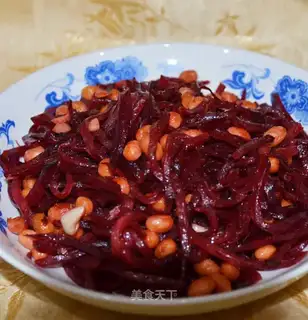
- Beetroot Salad: Grate raw beetroot and mix with carrots, apples, and a lemon-vinaigrette dressing for a crunchy, colorful salad.
- Beetroot Juice: Blend beetroot with carrots, ginger, and apple for a nutrient-dense juice. Start with small amounts (e.g., 50 ml) to assess tolerance.
- Pickled Beetroot: Thinly slice beetroot and pickle it in a mixture of vinegar, sugar, and spices for a tangy side dish.
- Beetroot Smoothie: Add a cooked or raw beetroot to your smoothie for a natural sweetness and vibrant color.
V. Conclusion
Beetroot is a nutritional gem that offers a remarkable range of health benefits, from supporting heart health and exercise performance to aiding digestion and protecting against chronic diseases. Its rich content of nitrates, betalains, fiber, and essential vitamins and minerals makes it a valuable addition to a balanced diet. However, like all foods, moderation is key—individuals with kidney issues, low blood pressure, or a history of kidney stones should consume it with caution. By incorporating beetroot into meals in creative and varied ways, you can harness its power to enhance your overall health and well-being. Whether roasted, juiced, or raw, this humble vegetable is a testament to the idea that good health often starts with the foods we eat.