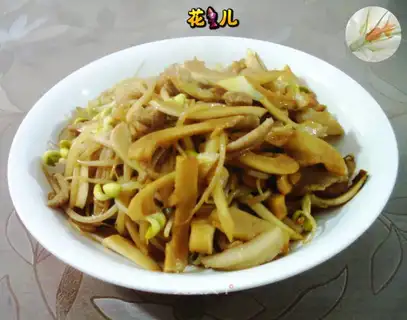
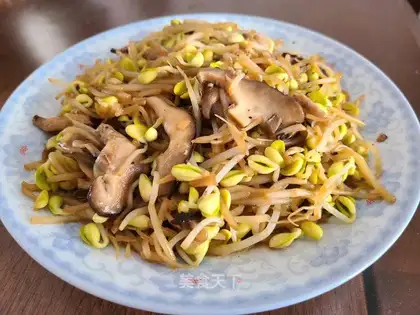
In the vast landscape of culinary ingredients, few are as unassuming yet nutritionally potent as the soybean sprout. Often overlooked in favor of more exotic produce, this slender, pale shoot—germinated from soybeans (Glycine max)—is a staple in Asian cuisines and a rising star in global health-conscious diets. For centuries, soybean sprouts have been valued not only for their crisp texture and versatility but also for their remarkable nutritional profile. This article delves into the nutritional value of soybean sprouts, their evidence-based health benefits, and important precautions to ensure safe consumption, highlighting why this humble ingredient deserves a place in every kitchen.
I. Nutritional Value: A Compact Nutrient Powerhouse
Soybean sprouts are a nutritional marvel, packing a dense array of vitamins, minerals, proteins, and bioactive compounds into a low-calorie package. A 100-gram serving of raw soybean sprouts (approximately 1.5 cups) contains approximately:
- Macronutrients:
- Calories: Just 30–40 kcal, making them an ideal food for weight management.
- Protein: Around 4–5 grams, including all nine essential amino acids, making them a rare complete plant protein. This is particularly significant for vegetarians and vegans seeking to meet protein needs.
- Dietary Fiber: 2–3 grams, which supports digestive health and promotes satiety.
- Carbohydrates: 3–4 grams, mostly complex carbs with a low glycemic index, ensuring steady energy release.
- Micronutrients:
- Vitamins:
- Vitamin K: Essential for blood clotting and bone health, soybean sprouts provide over 20% of the daily recommended intake (DRI) per serving.
- Vitamin C: A potent antioxidant (approximately 10 mg per 100g), it boosts immunity, collagen production, and iron absorption.
- Folate (Vitamin B9): Critical for cell division and fetal development, with one serving offering 10–15% of the DRI.
- Vitamin B6: Supports metabolism and brain function.
- Minerals:
- Iron: Though plant-based iron (non-heme) is less readily absorbed, soybean sprouts enhance its absorption when paired with vitamin C. A serving provides 5–10% of the DRI.
- Potassium: Regulates blood pressure and fluid balance, with ~150 mg per 100g.
- Magnesium: Supports muscle and nerve function, and bone health.
- Calcium: Though not as high as dairy, it contributes to bone strength.
- Bioactive Compounds:
- Isoflavones: Soybean sprouts are rich in genistein, daidzein, and glycitein—phytoestrogens with antioxidant, anti-inflammatory, and hormone-regulating properties.
- Enzymes: Amylase and protease aid in digestion, breaking down carbs and proteins for easier absorption.
- Saponins: Compounds with potential cholesterol-lowering and immune-boosting effects.
This combination of nutrients makes soybean sprouts a “functional food”—a food that provides health benefits beyond basic nutrition.
II. Health Benefits: From Disease Prevention to Wellness
The nutritional density of soybean sprouts translates to a wide range of health benefits, supported by scientific research.
1. Supports Heart Health
Cardiovascular disease (CVD) remains a leading global cause of death, and soybean sprouts offer multiple protective mechanisms. Their high fiber content lowers LDL (“bad”) cholesterol by binding to bile acids in the gut and promoting their excretion. Isoflavones improve endothelial function (the lining of blood vessels), reducing blood pressure and arterial stiffness. A 2019 study in The Journal of Nutrition found that regular soy isoflavone intake correlated with a 14% lower risk of CVD in postmenopausal women. Additionally, potassium in sprouts counteracts the effects of sodium, further supporting blood pressure regulation.
2. Enhances Immune Function
Vitamin C and antioxidants in soybean sprouts are key to a robust immune system. Vitamin C stimulates the production of white blood cells and antibodies, while neutralizing free radicals that can damage immune cells. The sprouts’ vitamin K content also plays a role in immune regulation, as it modulates inflammatory responses. During cold and flu season, incorporating soybean sprouts into meals can provide an extra boost to defenses.
3. Aids Weight Management
Low in calories but high in fiber and protein, soybean sprouts are a dieter’s best friend. Fiber slows gastric emptying, keeping you full longer and reducing overall calorie intake. Protein, meanwhile, has a high thermic effect (the body burns more calories digesting protein than carbs or fats), supporting metabolism. A 2020 study in Appetite found that high-protein, high-fiber meals reduced snacking by 25% in participants, making soybean sprouts an excellent addition to weight loss diets.
4. Promotes Digestive Health
The fiber and enzymes in soybean sprouts work synergistically to support digestion. Insoluble fiber adds bulk to stool, preventing constipation, while soluble fiber feeds beneficial gut bacteria, fostering a healthy microbiome. Amylase and protease break down complex carbs and proteins, easing digestion and reducing bloating. For individuals with lactose intolerance or sensitive stomachs, soybean sprouts are a gentle, nutrient-dense alternative to high-FODMAP foods.
5. Balances Hormones and Reduces Cancer Risk
Soy isoflavones are phytoestrogens that mimic estrogen in the body but with weaker effects. This makes them particularly beneficial for women: they can alleviate menopausal symptoms (like hot flashes) by binding to estrogen receptors and modulating hormone levels. Research also suggests isoflavones may reduce breast cancer risk. A 2021 meta-analysis in Cancer Epidemiology, Biomarkers & Prevention found that high soy intake was associated with a 30% lower risk of breast cancer in premenopausal women, likely due to isoflavones’ anti-estrogenic and antioxidant properties. Additionally, genistein inhibits angiogenesis (the formation of new blood vessels that feed tumors), potentially slowing cancer growth.
6. Supports Bone Health
Soybean sprouts contribute to bone density through multiple nutrients. Vitamin K activates osteocalcin, a protein that binds calcium to bones, while calcium and magnesium provide the building blocks for bone mineralization. For postmenopausal women, who are at higher risk of osteoporosis due to declining estrogen, soy isoflavones may help maintain bone mass by reducing bone resorption. A 2018 study in Osteoporosis International reported that postmenopausal women who consumed soy isoflavones regularly had higher bone mineral density than those who did not.
III. Precautions and Potential Side Effects
While soybean sprouts are highly nutritious, certain precautions must be taken to maximize their benefits and minimize risks.
1. Food Safety: Raw Sprouts and Bacterial Contamination
Raw or lightly cooked sprouts (including soybean sprouts) have been linked to foodborne illnesses caused by bacteria like Salmonella, E. coli, and Listeria. These bacteria thrive in the warm, humid conditions required for sprouting. To reduce risk:
- Cook thoroughly: Boil, stir-fry, or steam sprouts until they are piping hot. Avoid eating them raw in salads or sandwiches unless labeled “ready-to-eat” and pre-washed.
- Buy from reputable sources: Choose sprouts that are fresh, refrigerated, and free from slimy or discolored spots.
- Wash before use: Even pre-washed sprouts should be rinsed under running water to remove surface contaminants.
2. Thyroid Health: Goitrogenic Compounds
Soybean sprouts contain goitrogens—compounds that can interfere with thyroid function by inhibiting iodine uptake, a critical mineral for thyroid hormone production. While moderate consumption is safe for most people, individuals with hypothyroidism or iodine deficiency should:
- Limit intake: Avoid eating large amounts of raw or uncooked sprouts. Cooking reduces goitrogen levels by 30–50%.
- Pair with iodine-rich foods: Combine sprouts with iodized salt, seaweed, or fish to support thyroid health.
3. Allergies: Soy Sensitivity
Soy is one of the top eight food allergens, and individuals with soy allergies must avoid soybean sprouts entirely. Symptoms range from mild (hives, itching) to severe (anaphylaxis). If you have a soy allergy, opt for other sprouts (like alfalfa or mung bean) and always check labels for hidden soy ingredients.
4. Medication Interactions
Soy isoflavones may interact with certain medications:
- Thyroid medication: Isoflavones can reduce the absorption of levothyroxine; take medication 4 hours apart from soy consumption.
- Blood thinners: Vitamin K in sprouts can counteract the effects of warfarin; maintain consistent intake to avoid fluctuations.
5. Pregnancy and Breastfeeding
While moderate soy consumption is safe during pregnancy and breastfeeding, excessive intake of isoflavones may mimic estrogen and potentially affect fetal development. Limit intake to 1–2 servings per day and consult a healthcare provider if concerned.
IV. Culinary Uses: Incorporating Soybean Sprouts into Your Diet
Soybean sprouts are incredibly versatile in the kitchen. Their mild, nutty flavor and crisp texture complement both raw and cooked dishes:
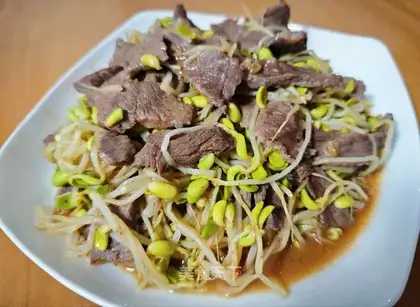
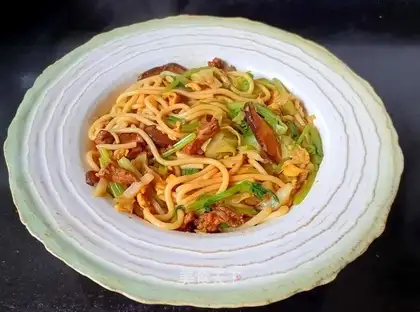
- Stir-fries: A staple in Asian cuisine, sprouts add crunch to vegetable stir-fries (e.g., chow mein or pad thai).
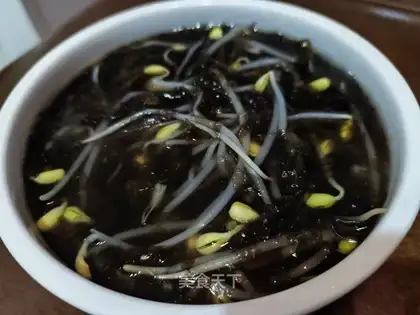
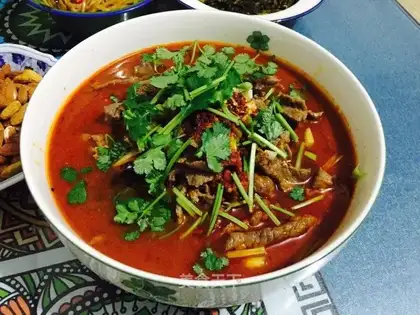
- Soups and stews: Toss them into miso soup, pho, or Korean sundubu jjigae in the last minute of cooking to retain texture.
- Salads: Blanch sprouts for 30 seconds and add to green salads for a nutrient boost.
- Sandwiches and wraps: Use lightly cooked sprouts as a low-calorie filler for wraps or sandwiches.
- Smoothies: Blend a small handful of raw sprouts into smoothies for added protein and fiber.
Conclusion
Soybean sprouts are a nutritional powerhouse, offering a unique blend of protein, fiber, vitamins, and bioactive compounds that support heart health, immunity, digestion, and more. While precautions like thorough cooking and moderation for thyroid health are important, their benefits far outweigh risks for most people. By incorporating this humble ingredient into meals, we can enhance both the flavor and nutritional value of our diets—proving that great things often come in small packages. Whether in a steaming bowl of soup or a crisp salad, soybean sprouts are a testament to the idea that the simplest foods can be the most transformative for our health.