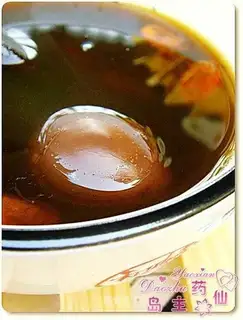
Fo-ti, scientifically known as Polygonum multiflorum and widely recognized by its Chinese name He Shou Wu, is a revered herb in traditional Chinese medicine (TCM) and a nutritional staple with a history spanning over a thousand years. Native to China, this climbing plant is celebrated for its remarkable health benefits, earning it the moniker “fountain of youth” due to its association with longevity and vitality. Beyond its medicinal reputation, Fo-ti is increasingly recognized in modern nutrition for its rich array of bioactive compounds, offering a unique blend of traditional wisdom and scientific potential. This article explores the nutritional profile of Fo-ti, its diverse health benefits, and important precautions to consider when incorporating it into one’s diet.
I. Nutritional Profile of Fo-ti
Fo-ti’s nutritional and therapeutic value stems from its complex composition of antioxidants, polysaccharides, flavonoids, and essential minerals. Unlike common vegetables or grains, its nutrient profile is uniquely adapted to support holistic health, making it a standout in the world of functional foods.
1. Bioactive Compounds
The primary active constituents of Fo-ti include:
- Stilbenes: The most notable is tetrahydroxystilbene glucoside (TSG), a potent antioxidant with structural similarities to resveratrol. TSG is credited with much of Fo-ti’s anti-aging and cardioprotective effects.
- Polysaccharides: These complex carbohydrates are known to modulate immune function, reduce inflammation, and support gut health by acting as prebiotics.
- Flavonoids: Quercetin, kaempferol, and anthocyanins in Fo-ti combat oxidative stress, protecting cells from free radical damage.
- Phospholipids: Essential for brain health, these compounds support cognitive function and membrane integrity.
2. Essential Minerals and Vitamins
Fo-ti contains trace minerals such as iron, zinc, calcium, and selenium, which play critical roles in metabolism, immune response, and bone health. It also provides B vitamins (e.g., B6 and folate), which are vital for energy production and DNA synthesis.
3. Amino Acids and Protein
While not a complete protein source, Fo-ti contains essential amino acids like leucine, lysine, and tryptophan, which contribute to muscle repair and neurotransmitter balance. Its mild protein content makes it a complementary addition to vegetarian or vegan diets.
4. Traditional Processing: Raw vs. Processed Fo-ti
In TCM, Fo-ti is classified as two distinct forms based on processing:
- Raw Fo-ti (Sheng He Shou Wu): Unprocessed, it has a laxative effect and is used to treat constipation and detoxify the body.
- Processed Fo-ti (Zhi He Shou Wu): Steamed with black soybeans, its properties shift toward tonifying the blood, liver, and kidneys, reducing its laxative effect while enhancing its anti-aging benefits. This processing method increases the concentration of TSG and other active compounds, making it the more commonly consumed form for general health.
II. Health Benefits of Fo-ti
Fo-ti’s health benefits are rooted in its ability to balance bodily systems, from cellular repair to organ function. Modern research is gradually validating many of the claims made in TCM, highlighting its potential as a therapeutic food.
1. Anti-Aging and Longevity
Fo-ti’s most celebrated benefit is its role in promoting longevity. TSG and other antioxidants neutralize free radicals, reducing oxidative stress—a key driver of aging. Studies in animal models show that Fo-ti extends lifespan by protecting telomeres (the protective caps of chromosomes) and enhancing mitochondrial function. Additionally, it boosts the activity of superoxide dismutase (SOD), an enzyme that combats cellular damage, thereby slowing age-related decline.
2. Liver and Kidney Health
In TCM, the kidneys and liver are considered the “foundation of life,” governing energy, reproduction, and detoxification. Fo-ti is traditionally used to “nourish the liver and kidneys,” improving symptoms like fatigue, gray hair, and lower back pain. Modern research indicates that Fo-ti enhances liver function by increasing the activity of antioxidant enzymes (e.g., glutathione peroxidase) and reducing liver inflammation. It also supports kidney health by promoting the excretion of toxins and preventing oxidative damage to renal tissues.
3. Cardiovascular Support
Fo-ti promotes heart health through multiple mechanisms:
- Cholesterol Regulation: It lowers LDL (“bad”) cholesterol and triglycerides while increasing HDL (“good”) cholesterol, thanks to its polysaccharides and TSG content.
- Blood Pressure: Flavonoids in Fo-ti relax blood vessels, improving circulation and reducing hypertension.
- Anti-Atherosclerotic Effects: By inhibiting platelet aggregation and reducing oxidative damage to blood vessels, Fo-ti helps prevent plaque buildup.
4. Immune Modulation
The polysaccharides in Fo-ti act as immunomodulators, enhancing the activity of macrophages and T-cells, which are critical for fighting infections. Studies show that Fo-ti can increase the production of interleukin-2 (IL-2), a protein that regulates immune responses, making it useful for both immune deficiency and autoimmune conditions when used appropriately.
5. Cognitive and Neuroprotective Effects
Fo-ti’s neuroprotective properties are attributed to its ability to cross the blood-brain barrier and reduce oxidative stress in brain tissue. It has been shown to improve memory and learning in animal models by increasing acetylcholine levels (a neurotransmitter linked to cognition) and reducing amyloid-beta plaques—a hallmark of Alzheimer’s disease. Additionally, its phospholipids support myelin sheath integrity, enhancing nerve signal transmission.
6. Hair and Skin Health
Fo-ti’s traditional use for preventing premature graying and hair loss is backed by its nutrient density. Iron and zinc deficiencies are common causes of hair problems, and Fo-ti’s mineral content helps address these. Its antioxidants also protect skin cells from UV damage and pollution, reducing wrinkles and promoting a youthful complexion. Some studies suggest Fo-ti may inhibit melanin overproduction, offering benefits for conditions like hyperpigmentation.
7. Anti-Inflammatory and Anticancer Potential
Chronic inflammation is a precursor to many diseases, including cancer. Fo-ti’s flavonoids and TSG inhibit pro-inflammatory cytokines (e.g., TNF-α and IL-6), alleviating conditions like arthritis and inflammatory bowel disease. In cancer research, Fo-ti has demonstrated the ability to induce apoptosis (programmed cell death) in cancer cells and inhibit tumor growth, particularly in breast, liver, and colon cancers. However, more human studies are needed to confirm these effects.
III. Precautions and Contraindications
While Fo-ti is generally safe for most people when consumed in moderation, improper use can lead to adverse effects. Understanding its contraindications and dosage guidelines is crucial for safe consumption.
1. Raw vs. Processed Fo-ti
Raw Fo-ti contains emodin, a natural laxative that can cause stomach cramps, diarrhea, and electrolyte imbalance if taken in excess. Processed Fo-ti, with reduced emodin content, is preferred for long-term use. Unless specifically advised by a TCM practitioner for detoxification, raw Fo-ti should be avoided.
2. Drug Interactions
Fo-ti may interact with medications, including:
- Blood Thinners: Its anticoagulant properties can enhance the effects of drugs like warfarin, increasing bleeding risk.
- Diabetes Medications: Fo-ti may lower blood sugar, requiring adjustments to insulin or oral hypoglycemics.
- Immunosuppressants: Its immune-boosting effects may interfere with drugs like cyclosporine.
3. Pregnancy and Breastfeeding
Pregnant or breastfeeding women should avoid Fo-ti due to insufficient safety data. Its hormone-regulating effects could potentially disrupt pregnancy or lactation.
4. Liver Toxicity Concerns
Rare cases of liver toxicity have been reported with high-dose or long-term Fo-ti use, particularly with raw or unprocessed varieties. Symptoms include jaundice, fatigue, and abdominal pain. Individuals with pre-existing liver conditions should consult a healthcare provider before use.
5. Dosage Recommendations
For general health, 3–9 grams of processed Fo-ti powder or 1–3 slices of dried root per day is typical. Higher doses should only be taken under professional guidance. Starting with a small amount and gradually increasing it helps monitor for adverse reactions.
IV. Culinary Uses and Incorporation into Diet
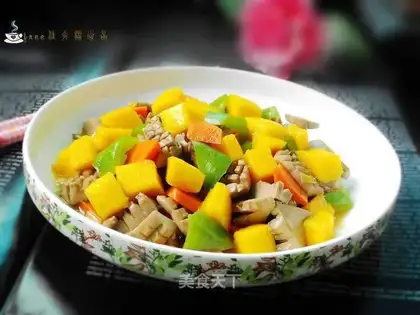
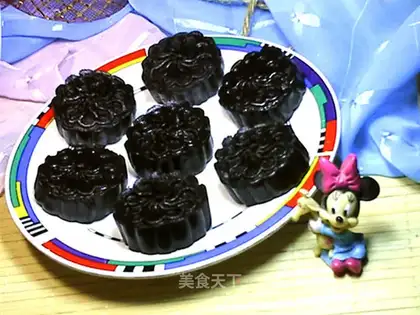
Fo-ti is versatile and can be added to meals in various forms, including dried root slices, powder, capsules, or extracts. Here are practical ways to incorporate it into a balanced diet:
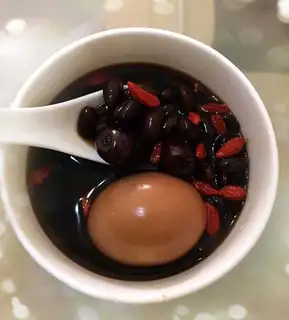
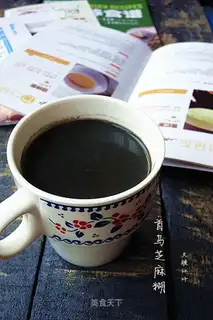
- Teas and Decoctions: Simmer 5–10 grams of dried Fo-ti root in water for 20–30 minutes to create a nourishing tea. Add ginger or goji berries to enhance flavor.
- Smoothies: Mix 1–2 teaspoons of Fo-ti powder into fruit or vegetable smoothies for a nutrient boost.
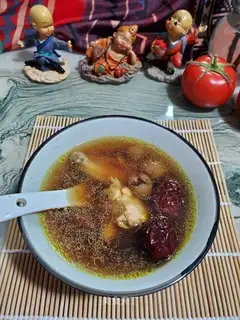
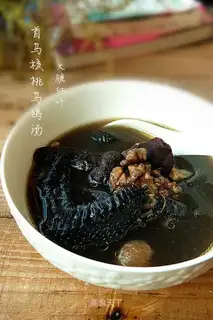
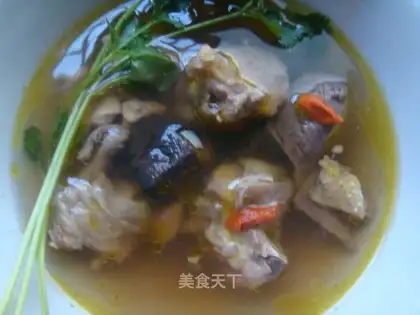
- Soups and Stews: Add Fo-ti slices to bone broth or herbal soups to enhance nutritional content.
- Tinctures: Fo-ti tinctures are available for those who prefer a concentrated form, though dosage should be carefully controlled.
Conclusion
Fo-ti is a remarkable example of how traditional herbal medicine and modern nutrition intersect. Its rich profile of antioxidants, polysaccharides, and minerals makes it a valuable ally for anti-aging, immune support, and organ health. However, its use requires caution, particularly regarding processing methods, drug interactions, and individual health conditions. When consumed responsibly, Fo-ti can be a powerful addition to a healthy diet, bridging the gap between ancient wisdom and contemporary wellness. As research continues to uncover its full potential, Fo-ti remains a testament to the enduring value of nature’s remedies in promoting holistic health.