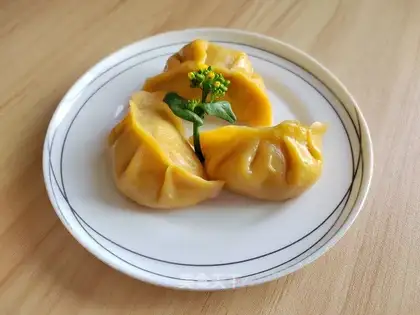
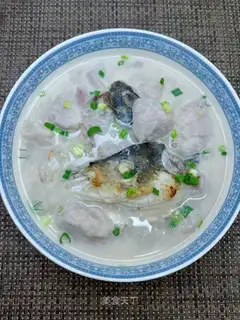
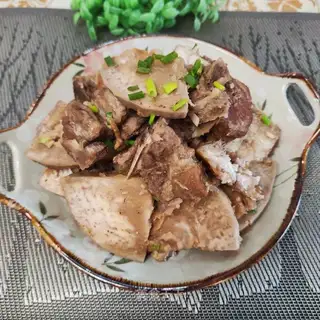
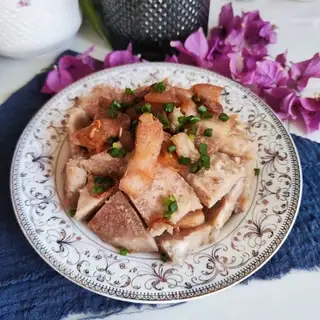
Taro, scientifically known as Colocasia esculenta, is a starchy root vegetable that has been cultivated for over 7,000 years, originating in the tropical regions of Southeast Asia. Today, it is a staple food in Africa, the Caribbean, the Pacific Islands, and parts of Asia, prized for its versatility, mild flavor, and impressive nutritional profile. Often called the “potato of the tropics,” taro is more than just a filling food—it is a nutritional powerhouse offering a range of health benefits. However, like many foods, it must be consumed with awareness of potential risks. This article explores the nutritional value of taro, its health benefits, and important precautions for safe consumption.
I. Nutritional Value of Taro
Taro’s nutritional composition makes it a standout among root vegetables. It is rich in complex carbohydrates, dietary fiber, vitamins, and minerals, while being low in fat and calories. A 100-gram serving of cooked taro provides approximately:
- Carbohydrates: 26-27 grams, mostly in the form of complex carbohydrates that provide sustained energy. Unlike simple sugars, these carbs are digested slowly, preventing blood sugar spikes.
- Dietary Fiber: 4-5 grams, which supports digestive health and promotes satiety.
- Protein: 2-3 grams, a modest amount for a vegetable but notable compared to other starchy foods like potatoes.
- Vitamins:
- Vitamin B6: Essential for brain function, metabolism, and red blood cell formation. A 100-gram serving covers about 15-20% of the daily recommended intake.
- Vitamin E: A powerful antioxidant that protects cells from oxidative damage.
- Folate (Vitamin B9): Crucial for DNA synthesis and cell growth, making taro beneficial during pregnancy.
- Vitamin C: Supports immune function, skin health, and collagen production (though levels decrease when cooked).
- Minerals:
- Potassium: A 100-gram serving provides 400-500 mg of potassium, more than a banana. This mineral regulates blood pressure, fluid balance, and muscle function.
- Magnesium: Involved in over 300 biochemical reactions, including energy production and nerve function.
- Manganese: Supports bone health, metabolism, and antioxidant defense.
- Iron: Essential for hemoglobin production and oxygen transport; taro is a valuable plant-based iron source, especially when paired with vitamin C to enhance absorption.
- Resistant Starch: Taro contains resistant starch, a type of fiber that resists digestion in the small intestine. Instead, it ferments in the colon, acting as a prebiotic to feed beneficial gut bacteria.
Additionally, taro is gluten-free, making it an excellent alternative for people with celiac disease or gluten sensitivity. Its mild, nutty flavor and creamy texture when cooked make it adaptable to both sweet and savory dishes, from taro chips and curries to desserts and smoothies.
II. Health Benefits of Taro
The combination of nutrients in taro contributes to a range of health benefits, from improved digestion to enhanced heart health.
1. Supports Digestive Health
Taro’s high fiber content and resistant starch are key to its digestive benefits. Fiber adds bulk to stool, preventing constipation and promoting regular bowel movements. Resistant starch, on the other hand, acts as a prebiotic, stimulating the growth of Bifidobacteria and Lactobacilli—probiotic strains that maintain gut balance, reduce inflammation, and strengthen the gut barrier. A healthy gut microbiome is linked to better immunity, mood regulation, and even reduced risk of chronic diseases like irritable bowel syndrome (IBS) and colon cancer.
2. Regulates Blood Sugar Levels
Taro’s low glycemic index (GI) of 50 (compared to potatoes’ GI of 78) makes it a smart choice for blood sugar management. The complex carbohydrates and fiber in taro are digested slowly, preventing rapid spikes in blood glucose and insulin levels. This is particularly beneficial for people with type 2 diabetes or those at risk of developing the condition. Studies suggest that resistant starch may also improve insulin sensitivity over time, further aiding blood sugar control.
3. Boosts Heart Health
Taro is rich in potassium and low in sodium, a combination that helps regulate blood pressure by balancing fluids in the body and relaxing blood vessels. High potassium intake is associated with a 20% lower risk of stroke, according to the American Heart Association. Additionally, taro’s fiber binds to cholesterol in the digestive system, reducing its absorption and lowering LDL (“bad”) cholesterol levels. The antioxidant compounds in taro, such as flavonoids and phenolic acids, also protect the heart by reducing oxidative stress and inflammation.
4. Enhances Immune Function
Taro’s vitamin C and vitamin E content supports immune health by neutralizing free radicals and stimulating the production of white blood cells. Vitamin C, in particular, is critical for the skin’s barrier function and the activity of immune cells like lymphocytes and phagocytes, which help fight infections. The prebiotic effects of taro also contribute to immunity by promoting a healthy gut microbiome, where 70% of the body’s immune cells reside.
5. Promotes Healthy Skin and Hair
The antioxidants in taro, including vitamin E and beta-carotene (a precursor to vitamin A), protect skin cells from UV damage and premature aging. These compounds reduce inflammation and support collagen production, keeping skin firm and elastic. Taro’s mineral content, such as manganese and copper, aids in the production of melanin and collagen, respectively, which are essential for hair strength and growth. Additionally, the vitamin B6 in taro helps regulate sebum production, reducing the risk of acne and scalp dryness.
6. Supports Weight Management
Taro’s high fiber and water content promote satiety, helping to curb overeating and reduce calorie intake. The slow digestion of complex carbohydrates also provides lasting energy, preventing the energy crashes that often lead to unhealthy snacking. As a low-fat, low-calorie food, taro can be a satisfying staple for those looking to maintain or lose weight while meeting nutritional needs.
III. Precautions and Potential Risks
While taro is highly nutritious, improper preparation can lead to health risks. The primary concern is the presence of calcium oxalate crystals and protease inhibitors in raw taro.
1. Calcium Oxalate Crystals
Raw taro contains needle-shaped calcium oxalate crystals (raphides) that can irritate the mouth, throat, and digestive tract, causing a burning sensation, itching, or swelling. In severe cases, ingestion of raw taro may lead to difficulty breathing or swallowing. To eliminate these crystals, taro must be thoroughly cooked—boiling, steaming, or roasting breaks down the crystals, making it safe to eat.
2. Protease Inhibitors
Raw taro also contains protease inhibitors, which interfere with protein digestion and can cause bloating or discomfort. Cooking deactivates these compounds, ensuring that the protein in taro is properly absorbed.
3. Allergic Reactions
Though rare, some people may be allergic to taro, experiencing symptoms such as skin rashes, hives, or digestive upset. Individuals with known allergies to other root vegetables (like potatoes or yams) should exercise caution.
4. Kidney Stone Risk
Taro is high in oxalates, compounds that can contribute to kidney stone formation in susceptible individuals. Those with a history of kidney stones or oxalate-related kidney issues should limit their intake and consult a healthcare provider.
5. Proper Preparation is Key
To safely enjoy taro:
- Peel and cook thoroughly: Always peel taro (as the skin contains higher concentrations of oxalates) and cook it until soft. Boiling for at least 15-20 minutes is recommended.
- Avoid raw consumption: Raw taro should never be eaten, whether in salads, smoothies, or juices.
- Soak if necessary: Some traditional methods involve soaking peeled taro in water with a splash of vinegar or lemon juice to further reduce oxalate levels, though cooking is the most critical step.
IV. Culinary Uses and Versatility
Taro’s mild, earthy flavor and starchy texture make it a versatile ingredient in global cuisines. In Asia, taro is used in both sweet and savory dishes:
- Sweet: In Chinese cuisine, taro is steamed and mashed with sugar to make taro pudding or used as a filling for mooncakes. In Japan, imo mochi (taro rice cakes) is a popular dessert.
- Savory: In Indian and Caribbean cooking, taro is curried or fried into chips. In Hawaiian cuisine, taro poi—a fermented paste made from taro corms—is a traditional staple.
- Modern Uses: Taro chips, smoothies, and even taro-flavored ice cream and bubble tea have gained popularity worldwide, showcasing its adaptability.
Conclusion
Taro is a nutritional treasure, offering a rich blend of complex carbohydrates, fiber, vitamins, and minerals that support digestive health, blood sugar regulation, heart function, and immunity. Its versatility in cooking makes it a valuable addition to any diet, whether as a savory side dish, a sweet dessert, or a gluten-free alternative to grains. However, safety depends on proper preparation—thorough cooking is essential to eliminate harmful compounds like calcium oxalate crystals. When consumed correctly, taro is more than just a delicious food; it is a health-promoting ingredient that bridges culinary tradition and modern nutrition. As global interest in diverse, nutrient-dense foods grows, taro is poised to remain a beloved staple for generations to come.