Radishes, often overlooked in the produce aisle, are a vibrant, peppery root vegetable that packs a surprising nutritional punch. Among its many varieties, the small radish (Raphanus sativus var. sativus), also known as spring radish, table radish, or cherry radish, stands out for its crisp texture, bold flavor, and exceptional health benefits. From ancient civilizations to modern farm-to-table movements, this unassuming vegetable has been valued for both its culinary versatility and medicinal properties. This article explores the nutritional profile of small radishes, their evidence-based health benefits, potential consumption precautions, and creative ways to incorporate them into a balanced diet.
I. Nutritional Profile of Small Radishes
Small radishes are low in calories but rich in essential vitamins, minerals, antioxidants, and dietary fiber, making them a nutrient-dense addition to any meal. A 100-gram serving of raw small radishes (approximately 5–6 small roots) contains:
1. Vitamins
- Vitamin C: A potent antioxidant, small radishes provide about 15–20 mg of vitamin C per 100 grams, roughly 25% of the daily recommended intake (DRI) for adults. This exceeds the vitamin C content in many common vegetables like carrots and cucumbers.
- Folate (Vitamin B9): Critical for DNA synthesis, cell division, and fetal development, small radishes offer around 25 mcg of folate per 100 grams, contributing to 6% of the DRI.
- Vitamin B6: Involved in metabolism and brain function, with small radishes providing trace amounts (0.1 mg per 100 grams).
- Vitamin K: Essential for blood clotting and bone health, small radishes contain small but notable quantities (about 2.5 mcg per 100 grams).
2. Minerals
- Potassium: A key electrolyte for regulating blood pressure and fluid balance, small radishes provide approximately 150 mg of potassium per 100 grams, comparable to a small banana.
- Calcium: While not as high as dairy products, small radishes contribute 25 mg of calcium per 100 grams, supporting bone health.
- Iron: Though plant-based iron (non-heme) is less easily absorbed, small radishes offer 0.3 mg per 100 grams, aiding in oxygen transport and red blood cell production.
- Magnesium: Involved in over 300 enzymatic reactions, small radishes provide 10 mg of magnesium per 100 grams.
3. Fiber and Antioxidants
- Dietary Fiber: Small radishes are an excellent source of fiber, with 1.6–2 grams per 100 grams. The fiber includes both soluble (e.g., pectin) and insoluble (e.g., cellulose) types, promoting digestive health and satiety.
- Antioxidants: Radishes are rich in glucosinolates (sulfur-containing compounds), isothiocyanates (formed when glucosinolates are broken down), and flavonoids like anthocyanins (in red and purple varieties). These compounds combat oxidative stress and reduce inflammation.
4. Low in Calories and Fat
With only 16–20 calories per 100 grams and negligible fat, small radishes are an ideal food for weight management and heart health. Their high water content (over 90%) also aids hydration.
II. Evidence-Based Health Benefits of Small Radishes
The combination of vitamins, minerals, and bioactive compounds in small radishes confers a range of health benefits, supported by scientific research and traditional medicine.
1. Supports Digestive Health
The fiber in small radishes promotes regular bowel movements by adding bulk to stool and stimulating intestinal contractions. Insoluble fiber, in particular, prevents constipation, while soluble fiber (pectin) feeds beneficial gut bacteria, fostering a healthy microbiome. Additionally, radishes contain digestive enzymes like amylase and protease, which help break down carbohydrates and proteins, easing digestion after heavy meals.
2. Boosts Immune Function
Vitamin C is a cornerstone of immune health, and small radishes are a significant plant-based source. This antioxidant enhances the production of white blood cells, strengthens the skin’s barrier function, and neutralizes free radicals that can damage immune cells. Studies show that adequate vitamin C intake reduces the duration and severity of respiratory infections, such as the common cold.
3. Regulates Blood Pressure and Promotes Heart Health
Potassium in small radishes helps counteract the effects of sodium, lowering blood pressure by relaxing blood vessel walls. High blood pressure is a major risk factor for heart disease and stroke; a diet rich in potassium-rich foods like radishes can reduce this risk. Furthermore, the antioxidants in radishes (e.g., anthocyanins and isothiocyanates) reduce oxidative stress in blood vessels, improving elasticity and reducing inflammation.
4. Aids Weight Management
Low in calories and high in fiber and water, small radishes are a filling food that can help control appetite. Fiber slows gastric emptying, prolonging satiety and reducing overall calorie intake. A 2019 study in Nutrients found that high-fiber diets are associated with lower body weight and reduced risk of obesity. Additionally, the peppery compound in radishes, isothiocyanate, may boost metabolism by enhancing fat oxidation.
5. Has Anti-Cancer Potential
Glucosinolates and isothiocyanates in radishes have been extensively studied for their anti-cancer properties. These compounds induce apoptosis (programmed cell death) in cancer cells, inhibit tumor growth, and prevent DNA damage. For example, research published in Journal of Agricultural and Food Chemistry found that sulforaphane (a type of isothiocyanate) derived from radishes suppressed the growth of colon cancer cells in vitro. While human trials are needed, regular consumption of cruciferous vegetables like radishes is linked to a reduced risk of certain cancers, including lung, breast, and colorectal cancer.
6. Enhances Skin Health
Vitamin C in small radishes is essential for collagen synthesis, a protein that maintains skin elasticity and reduces wrinkles. The antioxidants in radishes protect skin cells from UV damage and pollution, preventing premature aging. Additionally, the high water content hydrates the skin, while vitamin A (present in small amounts) supports skin cell turnover and repair.
7. Supports Detoxification
Radishes contain compounds that support the liver, the body’s primary detoxification organ. Glucosinolates stimulate the production of detoxifying enzymes like glutathione S-transferase, which neutralizes toxins and carcinogens. The fiber in radishes also binds to bile acids (which carry toxins out of the body) and promotes their excretion via feces.
III. Potential Consumption Precautions and Side Effects
While small radishes are generally safe for most people, certain precautions should be taken to avoid adverse effects:
1. Digestive Discomfort
Radishes contain FODMAPs (fermentable oligosaccharides, disaccharides, monosaccharides, and polyols), which can cause bloating, gas, and diarrhea in individuals with irritable bowel syndrome (IBS) or sensitive digestive systems. Cooking radishes can reduce their FODMAP content and make them easier to digest.
2. Thyroid Interference
Glucosinolates in radishes can inhibit iodine uptake by the thyroid gland, potentially worsening hypothyroidism in individuals with pre-existing thyroid conditions. However, this effect is only significant when consumed in very large amounts (e.g., several cups per day) and is unlikely to impact those with normal thyroid function. Cooking radishes reduces glucosinolate content, further minimizing this risk.
3. Blood Sugar Effects
While radishes have a low glycemic index (GI) and are unlikely to spike blood sugar, individuals with diabetes should consume them in moderation due to their carbohydrate content (3–4 grams per 100 grams). Pairing radishes with protein or healthy fats can further stabilize blood sugar levels.
4. Allergic Reactions
Rare cases of radish allergy have been reported, typically causing symptoms like oral itching, hives, or swelling. Individuals with a history of allergies to cruciferous vegetables (e.g., broccoli, cabbage) should exercise caution.
5. Medication Interactions
Radishes may interact with blood thinners (e.g., warfarin) due to their vitamin K content, which plays a role in blood clotting. Individuals taking such medications should maintain consistent vitamin K intake and consult a healthcare provider before making significant dietary changes.
IV. Creative Ways to Incorporate Small Radishes into Your Diet
Small radishes are versatile and can be enjoyed raw, cooked, or pickled. Here are some creative ideas:
1. Raw and Fresh
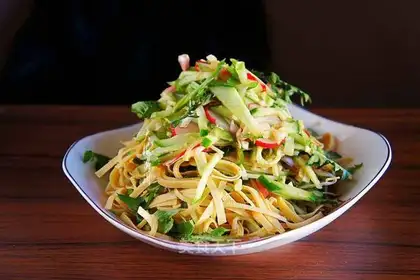
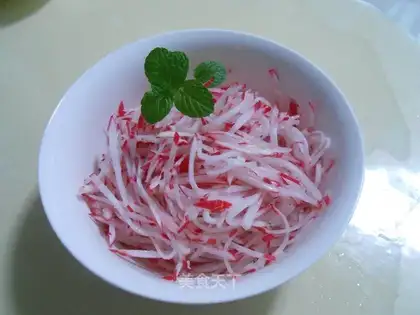
- Salads: Thinly sliced radishes add a peppery crunch to green salads, grain bowls, or slaws. Pair them with mild greens (e.g., lettuce, cucumber) and a tangy vinaigrette.
- Appetizers: Serve radishes with hummus, guacamole, or Greek yogurt dip. Their vibrant color makes them a visually appealing addition to charcuterie boards.
- Garnishes: Finely chopped radish greens (edible and nutritious) can be sprinkled over soups, stews, or pasta dishes.
2. Cooked and Roasted
- Roasting: Toss radishes with olive oil, salt, and pepper, then roast at 400°F (200°C) for 15–20 minutes until caramelized. Roasting mellows their peppery flavor and brings out a natural sweetness.
- Sautéing: Sauté radish slices with garlic, ginger, and soy sauce for a quick stir-fry. They pair well with carrots, bell peppers, and tofu.
- Soups and Stews: Add radishes to vegetable soups or stews for extra flavor and nutrients. They soften slightly but retain a slight crunch.
3. Pickled and Preserved
- Quick Pickles: Slice radishes and soak them in a mixture of vinegar, sugar, salt, and spices (e.g., dill, mustard seeds) for at least 30 minutes. Pickled radishes make a tangy condiment for sandwiches, tacos, or grilled meats.
- Fermented: Ferment radishes with salt and water to make probiotic-rich kimchi or lacto-fermented pickles, which support gut health.
4. Juiced or Blended
- Juices: Blend radishes with carrots, apples, and ginger for a refreshing, nutrient-dense juice. Radish juice is known for its detoxifying properties.
- Smoothies: Add a small amount of grated radish to green smoothies for a subtle peppery kick and extra fiber.
V. Conclusion
Small radishes are a nutritional powerhouse that offers a wide range of health benefits, from improved digestion and immune function to enhanced heart health and cancer prevention. Their low calorie, high fiber, and antioxidant-rich profile makes them an ideal food for weight management and overall well-being. While precautions exist for individuals with specific health conditions, small radishes are generally safe and versatile, easily incorporated into a variety of dishes.
As the saying goes, “good things come in small packages,” and small radishes are no exception. Whether enjoyed raw in a salad, roasted as a side dish, or pickled as a condiment, this humble vegetable deserves a place in every kitchen. By embracing small radishes, we not only diversify our diets but also harness the power of nature’s medicine in a delicious and accessible form. So next time you’re at the market, don’t overlook these vibrant roots—your body will thank you.