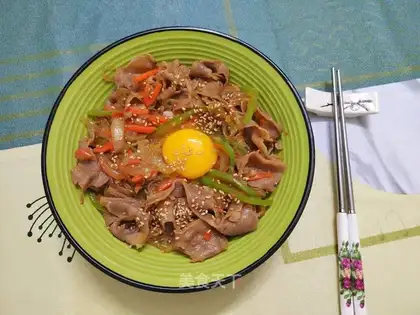
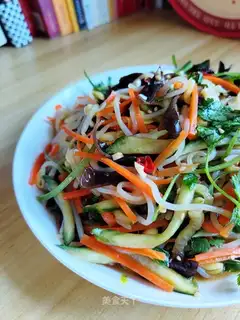
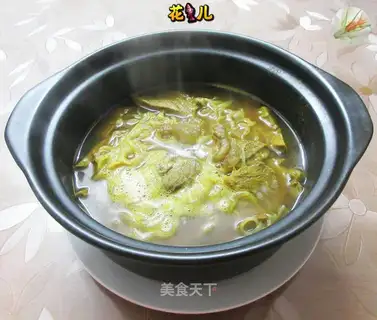
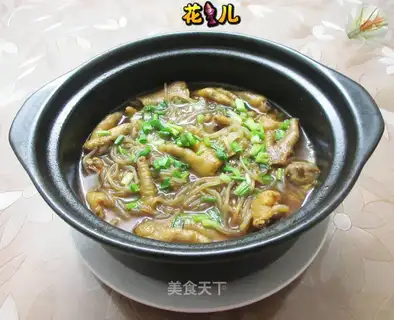
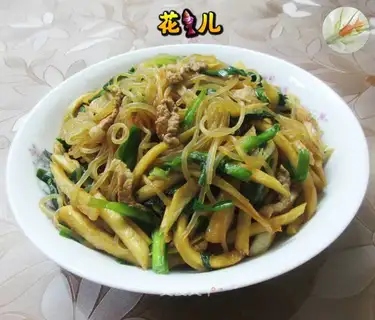
In the ever-evolving landscape of health foods, few ingredients have captured as much attention as konjac shirataki. Derived from the root of the Amorphophallus konjac plant, a perennial native to Southeast Asia, shirataki (literally "white waterfall" in Japanese) has been a staple in Asian cuisine for centuries. Today, it is celebrated globally as a low-calorie, high-fiber wonder ingredient, often dubbed a "guilt-free" food. This article delves into the nutritional profile of konjac shirataki, its diverse health benefits, and important considerations for safe consumption.
Nutritional Profile: The Foundation of Shirataki’s Appeal
Konjac shirataki’s nutritional value lies in its unique composition, which sets it apart from traditional staple foods like pasta, rice, or noodles. At its core, shirataki is composed primarily of glucomannan, a water-soluble dietary fiber derived from the konjac tuber. Glucomannan is one of the most viscous fibers in nature, capable of absorbing up to 50 times its weight in water, a property that underpins many of its health benefits.
A 3.5-ounce (100-gram) serving of raw konjac shirataki contains approximately:
- Calories: 10–20 (virtually negligible compared to wheat pasta, which has ~220 calories per 100 grams).
- Carbohydrates: 3–6 grams, of which glucomannan accounts for 2–4 grams.
- Protein: 0–1 gram.
- Fat: 0 grams.
- Sodium: 0–10 milligrams (though packaged versions may contain higher sodium due to rinsing or flavoring).
Notably, shirataki is gluten-free, making it an ideal alternative for individuals with celiac disease or gluten sensitivity. Its neutral taste and gel-like texture allow it to absorb flavors from sauces, broths, and seasonings, making it a versatile substitute for high-carb staples.
Health Benefits: More Than Just a Low-Calorie Food
The health benefits of konjac shirataki are closely linked to its high glucomannan content and low caloric density. From weight management to digestive health, this humble ingredient offers a range of science-backed advantages.
1. Weight Management and Satiety
One of shirataki’s most celebrated benefits is its role in weight control. Glucomannan expands in the stomach and intestines, promoting a feeling of fullness (satiety) that reduces overall calorie intake. A 2015 study published in the Journal of the Academy of Nutrition and Dietetics found that participants consuming glucomannan supplements experienced significant reductions in body weight and waist circumference compared to a placebo. For individuals aiming to lose or maintain weight, shirataki’s ability to displace high-calorie foods (e.g., replacing pasta with shirataki noodles) can be a game-changer.
2. Digestive Health and Gut Microbiome Support
Shiractaki’s glucomannan acts as a prebiotic, feeding beneficial gut bacteria like Bifidobacterium and Lactobacillus. A healthy gut microbiome is linked to improved digestion, enhanced immune function, and reduced inflammation. Additionally, glucomannan adds bulk to stool, alleviating constipation and promoting regular bowel movements. A 2011 study in Nutrition Journal reported that glucomannan supplementation increased stool frequency and improved consistency in individuals with chronic constipation.
3. Blood Sugar Regulation
For people with diabetes or those at risk of insulin resistance, shirataki may offer metabolic benefits. Glucomannan slows the absorption of sugar and carbohydrates in the gut, preventing sharp spikes in blood glucose levels. A 2008 study in Diabetes Care found that glucomannan supplementation improved glycemic control in type 2 diabetic patients by reducing post-meal blood sugar spikes. This effect is particularly valuable for managing carbohydrate intake without sacrificing meal volume.
4. Cholesterol and Heart Health
High LDL ("bad") cholesterol is a major risk factor for heart disease. Glucomannan has been shown to lower cholesterol levels by binding to bile acids in the intestines, which are then excreted from the body. To compensate, the liver uses more cholesterol to produce new bile acids, thereby reducing circulating cholesterol. A meta-analysis in the American Journal of Clinical Nutrition concluded that glucomannan intake significantly lowered total and LDL cholesterol in individuals with hypercholesterolemia.
5. Antioxidant and Anti-Inflammatory Properties
Konjac root contains small amounts of flavonoids and polyphenols, antioxidants that combat oxidative stress—a key driver of chronic diseases like cancer and heart disease. While shirataki’s primary benefits come from glucomannan, these antioxidants add an extra layer of protection against cellular damage. Additionally, by promoting gut health, shirataki indirectly reduces systemic inflammation, which is linked to conditions like obesity, diabetes, and arthritis.
Culinary Uses and Versatility
Beyond its nutritional and health benefits, shirataki’s culinary versatility has made it a favorite among health-conscious cooks and chefs alike. Traditional Japanese cuisine uses shirataki noodles in dishes like sukiyaki and oden, where their neutral taste and chewy texture complement broths and sauces. In Western kitchens, they are often used as a low-carb substitute for pasta, rice, or potatoes.
When preparing shirataki, it is important to rinse them thoroughly under cold water to remove their slightly fishy odor (caused by residual calcium hydroxide from processing). For a better texture, some recipes recommend boiling the noodles for 2–3 minutes to reduce their gel-like consistency. Flavored versions (e.g., tofu-infused shirataki) are also available, offering added convenience for quick meals.
Precautions and Potential Side Effects
While konjac shirataki is generally safe for most people, there are important precautions to consider, primarily due to its high fiber content and unique physical properties.
1. Choking Hazard
Shirataki noodles expand significantly when exposed to liquid. For individuals with dysphagia (difficulty swallowing) or those who do not chew thoroughly, undiluted shirataki may pose a choking risk. To mitigate this, always cut noodles into smaller pieces and ensure they are well-hydrated before consumption.
2. Digestive Discomfort
A sudden increase in fiber intake can cause bloating, gas, or diarrhea, especially for those not accustomed to high-fiber diets. To avoid this, introduce shirataki gradually into your diet and drink plenty of water (fiber requires adequate hydration to move smoothly through the digestive tract).
3. Medication Interactions
Glucomannan’s ability to slow stomach emptying may interfere with the absorption of certain medications, particularly diabetes drugs (e.g., metformin) and cholesterol-lowering medications (e.g., statins). If you take any medications, it is advisable to consume shirataki at least 1–2 hours before or after taking them to prevent reduced drug efficacy.
4. Sodium Content in Packaged Versions
While plain shirataki is sodium-free, some packaged varieties (e.g., "flavored" or "ready-to-eat" noodles) may contain added salt or preservatives. For individuals monitoring sodium intake, opt for plain shirataki and flavor it yourself with herbs, spices, or low-sodium sauces.
5. Not Suitable for Certain Populations
Pregnant or breastfeeding women, children, and individuals with gastrointestinal conditions (e.g., Crohn’s disease, bowel obstructions) should consult a healthcare provider before consuming shirataki. In rare cases, glucomannan may exacerbate symptoms of these conditions.
Conclusion: A Valuable Addition to a Healthy Diet
Konjac shirataki is more than just a diet food—it is a nutrient-dense, versatile ingredient that offers a host of health benefits, from weight management to improved gut health and heart health. Its low calorie, high fiber, and gluten-free properties make it an excellent choice for people with diabetes, celiac disease, or those looking to reduce their carbohydrate intake.
However, as with any food, moderation and awareness are key. By introducing shirataki gradually, staying hydrated, and being mindful of potential interactions, most people can safely enjoy this "superfood" as part of a balanced diet. Whether you’re replacing pasta in a bolognese, adding it to a stir-fry, or using it as a base for a hearty soup, konjac shirataki proves that healthy eating can be both delicious and satisfying.
In a world where processed foods and high-carb diets dominate, shirataki stands out as a simple, natural solution for those seeking to nourish their bodies without compromise. As research continues to uncover its potential, this ancient ingredient is poised to remain a cornerstone of modern, health-conscious cuisine.