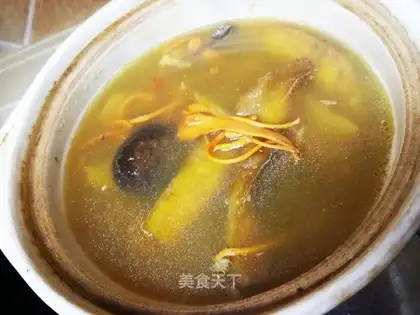
Kudzu root, known as Gegen in traditional Chinese medicine (TCM) and Pueraria lobata botanically, is a versatile vine native to East Asia, now found in parts of the United States and Europe. For centuries, it has been valued for its medicinal properties, culinary versatility, and nutritional density. Often referred to as “the vine that ate the South” in the U.S. due to its rapid growth, kudzu root is far more than an invasive plant—it is a nutritional powerhouse with a rich profile of vitamins, minerals, antioxidants, and bioactive compounds. This article explores the nutritional value of kudzu root, its evidence-based health benefits, potential side effects, and practical dietary considerations.
Nutritional Profile of Kudzu Root
Kudzu root is a low-calorie, nutrient-dense food that offers a unique blend of macronutrients, micronutrients, and phytochemicals. A 100-gram serving of cooked kudzu root (approximately half a cup) contains roughly 70–80 calories, 14–16 grams of carbohydrates, and 2–3 grams of fiber. It is naturally gluten-free and fat-free, making it an excellent addition to weight-management diets.
Macronutrients
- Carbohydrates: The primary component of kudzu root is complex carbohydrates, including starches and dietary fiber. Starch in kudzu root is rich in “resistant starch,” a type that resists digestion in the small intestine, acting as a prebiotic to feed beneficial gut bacteria.
- Protein: While not a significant source of protein (1–2 grams per 100 grams), kudzu root contains essential amino acids, including isoflavones such as daidzein and genistein, which contribute to its medicinal properties.
- Fiber: With 2–3 grams of fiber per serving, kudzu root supports digestive health by promoting regularity and preventing constipation.
Micronutrients
Kudzu root is a good source of several essential vitamins and minerals:
- Manganese: A critical mineral for bone health, metabolism, and antioxidant defense (15–20% of the Daily Value per serving).
- Iron: Supports red blood cell production and oxygen transport, making it beneficial for individuals with iron-deficiency anemia.
- Vitamin C: A potent antioxidant that boosts immunity, collagen synthesis, and skin health (10–15% of the DV per serving).
- Magnesium: Plays a role in over 300 enzymatic reactions, including muscle and nerve function.
- Potassium: Helps regulate blood pressure and fluid balance.
Phytochemicals: The Source of Medicinal Value
The most remarkable aspect of kudzu root is its phytochemical composition, particularly isoflavones (phytoestrogens), flavonoids, and saponins. These compounds are responsible for many of its health benefits:
- Isoflavones: Daidzein, genistein, and puerarin are the primary isoflavones in kudzu root. They exhibit antioxidant, anti-inflammatory, and estrogen-like effects, making kudzu root a key player in hormonal and metabolic health.
- Flavonoids: Such as kakkalide and tectorigenin, which protect cells from oxidative stress and reduce inflammation.
- Saponins: These compounds have cholesterol-lowering properties and support immune function.
Health Benefits of Kudzu Root
Kudzu root’s nutritional and phytochemical profile underpins a wide range of health benefits, supported by both traditional use and modern scientific research.
1. Supports Cardiovascular Health
One of the most well-documented benefits of kudzu root is its ability to improve heart health. Isoflavones and saponins help lower LDL (“bad”) cholesterol and triglycerides while increasing HDL (“good”) cholesterol. A 2019 study published in the Journal of Ethnopharmacology found that kudzu root extract reduced arterial stiffness in postmenopausal women, a key risk factor for hypertension and heart disease. Additionally, puerarin, a major isoflavone, inhibits the formation of blood clots, reducing the risk of thrombosis.
2. Manages Blood Sugar Levels
Kudzu root is a valuable food for individuals with diabetes or insulin resistance. Resistant starch in kudzu root slows carbohydrate digestion, preventing sharp spikes in blood sugar. A 2020 study in Phytotherapy Research showed that diabetic patients who consumed kudzu root powder for 12 weeks experienced significant reductions in fasting blood glucose and HbA1c levels (a marker of long-term blood sugar control). Isoflavones also enhance insulin sensitivity, allowing cells to utilize glucose more effectively.
3. Relieves Menopausal Symptoms
Due to its estrogen-like isoflavones, kudzu root is often used to alleviate menopausal symptoms such as hot flashes, night sweats, and mood swings. A 2016 randomized controlled trial in Maturitas found that postmenopausal women taking kudzu root extract reported a 50% reduction in hot flashes compared to the placebo group. Unlike hormone replacement therapy (HRT), kudzu root offers a natural alternative with fewer side effects.
4. Promotes Liver Health
In TCM, kudzu root is a staple for “detoxifying the liver” and reducing alcohol-induced damage. Modern research supports this use: puerarin protects liver cells from oxidative stress caused by alcohol and toxins. A 2018 study in Hepatology Research demonstrated that kudzu root extract reduced liver inflammation and fat accumulation in mice with alcoholic liver disease, suggesting potential benefits for humans with similar conditions.
5. Anti-Inflammatory and Antioxidant Effects
Chronic inflammation and oxidative stress are underlying factors in many diseases, including cancer, arthritis, and neurodegenerative disorders. Kudzu root’s flavonoids and isoflavones neutralize free radicals and inhibit pro-inflammatory enzymes like COX-2. A 2021 study in Food & Function found that kudzu root extract reduced inflammation in human colon cells, highlighting its potential for preventing inflammatory bowel diseases.
6. Supports Digestive Health
The high fiber and resistant starch content in kudzu root promotes a healthy gut microbiome. Fiber feeds beneficial bacteria, such as Bifidobacterium and Lactobacillus, which improve digestion and immune function. Additionally, kudzu root’s mild anti-inflammatory properties soothe the digestive tract, making it beneficial for individuals with gastritis or irritable bowel syndrome (IBS).
7. Weight Management
As a low-calorie, high-fiber food, kudzu root can aid in weight loss by promoting satiety (reducing hunger) and stabilizing blood sugar levels. Resistant starch also increases thermogenesis (the body’s heat production), slightly boosting calorie burning. A 2017 study in Appetite found that participants who consumed kudzu root fiber reported reduced appetite and lower calorie intake at subsequent meals.
Potential Side Effects and Precautions
While kudzu root is generally safe for most people when consumed in moderation, certain precautions must be taken, particularly for individuals with specific health conditions or those taking medications.
1. Hormone-Sensitive Conditions
Due to its estrogen-like effects, kudzu root may exacerbate hormone-sensitive conditions such as breast cancer, uterine fibroids, or endometriosis. Women with these conditions should avoid kudzu root unless advised by a healthcare provider.
2. Blood Pressure and Blood Sugar Medications
Kudzu root’s ability to lower blood pressure and blood sugar may enhance the effects of medications like antihypertensives (e.g., beta-blockers, ACE inhibitors) or diabetes drugs (e.g., metformin). This can lead to hypotension (low blood pressure) or hypoglycemia (low blood sugar). Individuals taking these medications should monitor their levels closely and consult a doctor before using kudzu root.
3. Blood-Thinning Medications
Kudzu root’s antiplatelet properties (it inhibits blood clotting) may increase the risk of bleeding when taken with anticoagulants like warfarin, aspirin, or clopidogrel. People on blood thinners should avoid kudzu root or use it only under medical supervision.
4. Pregnancy and Breastfeeding
There is limited research on the safety of kudzu root during pregnancy and breastfeeding. Due to its hormonal effects, pregnant or nursing women should avoid it to prevent potential risks to the baby.
5. Gastrointestinal Discomfort
Some individuals may experience mild side effects such as bloating, gas, or diarrhea when consuming kudzu root, particularly in large amounts. Starting with small servings and gradually increasing intake can help minimize these issues.
Culinary Uses and Practical Tips
Kudzu root is a versatile ingredient in both Asian and Western cuisines. Its mild, starchy flavor makes it suitable for sweet and savory dishes alike.
Forms of Kudzu Root
- Fresh Root: Available in Asian markets, fresh kudzu root resembles a large, knobby potato with a beige exterior. It must be peeled and cooked before consumption.
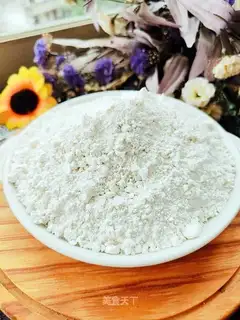
- Powder: Dried and ground into a fine powder, kudzu root is convenient for thickening soups, sauces, and smoothies. It is also used to make kudzu tea.
- Starch: Kudzu starch (or “kudzu powder”) is extracted from the root and used as a thickener, similar to cornstarch, but with a smoother texture.
- Tea and Supplements: Kudzu root is available as tea bags, capsules, or tinctures for medicinal use.
Cooking Ideas
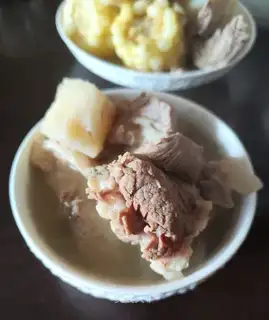
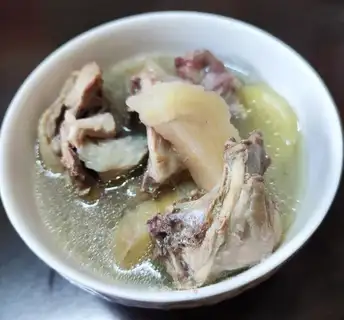
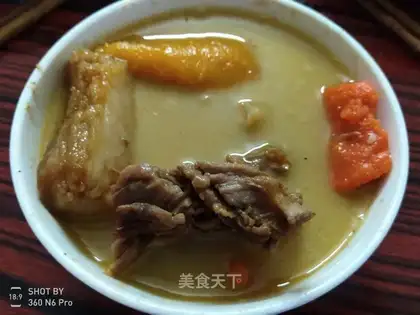
- Soups and Stews: Add peeled, cubed fresh kudzu root to soups for a hearty texture. It pairs well with vegetables, tofu, and meat.
- Thickener: Mix kudzu starch with cold water and add to sauces, gravies, or stir-fries to thicken without altering flavor.
- Desserts: In Japan, kudzu root is used to make kudzu mochi, a sweet, jelly-like dessert. It can also be blended into smoothies for added fiber and nutrients.
- Tea: Ste dried kudzu root slices or powder in hot water for 5–10 minutes to make a soothing, caffeine-free tea.
Recommended Dosage
For general health, 10–30 grams of fresh kudzu root or 1–2 teaspoons of powder per day is sufficient. For medicinal purposes (e.g., menopausal relief or blood sugar control), standardized extracts (containing 40–60% isoflavones) are typically used at doses of 100–500 mg per day, under medical guidance.
Conclusion
Kudzu root is a nutritional and medicinal treasure with a long history of use in traditional medicine and growing scientific validation. Its rich profile of fiber, vitamins, minerals, and phytochemicals supports cardiovascular health, blood sugar regulation, menopausal relief, and more. However, like any potent food or supplement, it should be used with caution, particularly by individuals with hormone-sensitive conditions, those on medications, or pregnant/breastfeeding women.
When incorporated into a balanced diet, kudzu root can be a valuable addition to a healthy lifestyle, offering both culinary delight and therapeutic benefits. As research continues to uncover its potential, kudzu root may soon become a household name in the global quest for natural health and wellness.