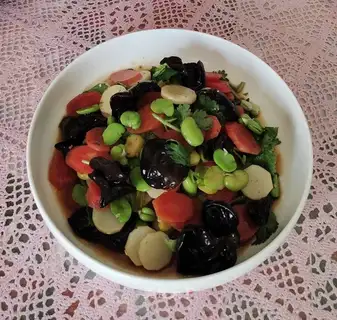
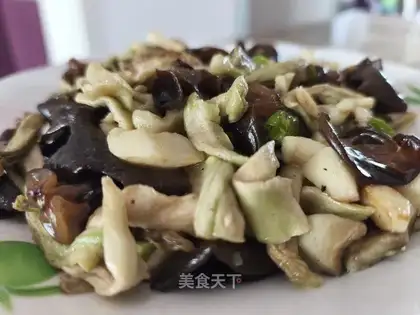
Black fungus, scientifically known as Auricularia auricula, is a edible fungus revered for centuries in traditional Asian medicine and cuisine. Often dubbed a "superfood," this gelatinous, ear-shaped fungus thrives on decaying wood in temperate forests across Asia, Europe, and the Americas. With its crisp texture, mild flavor, and remarkable versatility, black fungus has transcended cultural boundaries to become a staple in global health-conscious diets. Beyond its culinary appeal, black fungus is a nutritional powerhouse, offering a unique profile of vitamins, minerals, antioxidants, and dietary fibers that contribute to overall well-being. However, like many foods, it must be consumed with caution to avoid potential risks. This article explores the nutritional composition, health benefits, and essential precautions associated with black fungus, providing a comprehensive guide to incorporating this ingredient into a balanced diet.
Nutritional Composition: A Treasure Trove of Essential Nutrients
Black fungus stands out for its dense nutrient profile, which combines macronutrients, micronutrients, and bioactive compounds. A 100-gram serving of dried black fungus (rehydrated to approximately 500 grams) contains roughly:
- Calories: 22 kcal (making it ideal for weight management).
- Dietary Fiber: 7 grams, including soluble and insoluble fibers like beta-glucans.
- Protein: 3.3 grams, providing all essential amino acids, particularly arginine and leucine.
- Vitamins: Rich in B vitamins (B1, B2, B3) and vitamin K, with traces of vitamin D.
- Minerals: Excellent sources of iron (9.2 mg, over 50% of the daily value for women), calcium, magnesium, phosphorus, and potassium.
- Antioxidants: Contains polyphenols, flavonoids, and melanin, which combat oxidative stress.
What sets black fungus apart is its high iron content, which is crucial for hemoglobin production and preventing iron-deficiency anemia. Unlike plant-based iron sources (e.g., spinach), the iron in black fungus is more bioavailable due to its heme-like structure, especially when consumed with vitamin C-rich foods (e.g., bell peppers, citrus fruits). Additionally, its beta-glucans—soluble fibers—have been shown to modulate immune function and lower cholesterol levels.
Health Benefits: From Disease Prevention to Wellness Enhancement
The consumption of black fungus is linked to a myriad of health benefits, backed by both traditional wisdom and modern scientific research. These effects span cardiovascular health, immune support, digestion, and more.
1. Cardiovascular Health: Lowering Cholesterol and Blood Pressure
Cardiovascular disease (CVD) remains a leading global cause of death, but dietary interventions like black fungus can mitigate risk factors. The beta-glucans in black fungus bind to bile acids in the intestines, reducing their reabsorption and forcing the liver to use blood cholesterol to produce new bile acids. This process lowers low-density lipoprotein (LDL, or "bad") cholesterol levels without affecting high-density lipoprotein (HDL, or "good") cholesterol. A 2019 study in the Journal of Agricultural and Food Chemistry found that black fungus polysaccharides reduced LDL cholesterol by 15–20% in hyperlipidemic rats.
Furthermore, black fungus is a natural source of potassium and magnesium, minerals that regulate blood pressure by balancing sodium levels and relaxing blood vessels. Its low sodium content (only 7 mg per 100 grams) makes it a heart-healthy alternative to processed foods.
2. Immune System Modulation: Enhancing Defense Mechanisms
Black fungus is a potent immunomodulator, thanks to its polysaccharides and beta-glucans. These compounds activate macrophages—immune cells that engulf pathogens—and stimulate the production of cytokines, proteins that coordinate immune responses. Research published in International Immunopharmacology (2020) demonstrated that black fungus extracts enhanced the activity of natural killer (NK) cells, which target virus-infected and cancerous cells. Regular consumption may thus reduce the severity of infections and support long-term immune resilience.
3. Digestive Health: Promoting Gut Microbiota and Regularity
With 7 grams of fiber per 100 grams, black fungus is a digestive aid par excellence. The insoluble fiber adds bulk to stool, preventing constipation, while soluble fiber acts as a prebiotic, feeding beneficial gut bacteria (e.g., Lactobacillus and Bifidobacterium). A healthy gut microbiota is linked to improved nutrient absorption, reduced inflammation, and a lower risk of colorectal cancer.
Black fungus also contains water-absorbing properties: when rehydrated, its fiber swells to 10–15 times its original size, promoting satiety and reducing overeating. This makes it a valuable tool for weight management.
4. Antioxidant and Anti-Aging Properties
Oxidative stress, caused by an imbalance between free radicals and antioxidants, accelerates aging and chronic diseases. Black fungus is rich in melanin, a pigment with potent antioxidant activity that neutralizes free radicals and protects cells from DNA damage. A 2021 study in Food Chemistry found that black fungus melanin exhibited higher antioxidant capacity than vitamin C in scavenging hydroxyl radicals.
Additionally, its polyphenols and flavonoids inhibit lipid peroxidation (a process that damages cell membranes), potentially reducing the risk of neurodegenerative diseases like Alzheimer’s. Traditional Chinese medicine (TCM) has long used black fungus to "nourish the blood" and "delay aging," a practice now supported by modern research.
5. Blood Sugar Regulation: A Friend to Diabetics
The fiber and polysaccharides in black fungus slow carbohydrate digestion, preventing rapid spikes in blood glucose. A 2018 study in Phytotherapy Research showed that diabetic rats fed black fungus extract had 30% lower blood sugar levels than the control group, attributed to improved insulin sensitivity. For humans, incorporating black fungus into meals (e.g., stir-fries or salads) can help stabilize blood sugar, making it a smart choice for individuals with type 2 diabetes or prediabetes.
6. Iron Boost and Anemia Prevention
As mentioned earlier, black fungus is a top plant-based iron source. Iron is essential for oxygen transport in the blood, and deficiency leads to fatigue, weakness, and impaired cognitive function. The combination of heme-like iron and vitamin C (when consumed together) enhances absorption by up to 300%. For vegetarians, vegans, or pregnant women—who are at higher risk of anemia—black fungus is a nutritional lifeline.
Culinary Uses: Versatility in the Kitchen
Black fungus’s mild, earthy flavor and crunchy texture make it a culinary chameleon. Dried black fungus is commonly sold in markets and requires rehydration (15–30 minutes in warm water) before use. Once rehydrated, it can be:
- Stir-fried with vegetables, tofu, or meat for a crunchy contrast.
- Added to soups (e.g., hot and sour soup) for texture and nutrition.
- Pickled as a tangy side dish.
- Blended into smoothies or juices for a fiber boost (using small, rehydrated pieces).
In East Asian cuisine, black fungus is often paired with garlic, soy sauce, and chili to enhance its umami flavor. Its ability to absorb flavors without overpowering dishes makes it a favorite among chefs worldwide.
Precautions and Potential Risks
While black fungus is highly nutritious, improper preparation or overconsumption can lead to adverse effects. Here are key precautions to keep in mind:
1. Proper Rehydration: Avoiding Choking Hazards
Dried black fungus expands significantly when rehydrated. Failure to chop it into small pieces may cause choking, especially for children or the elderly. Always slice rehydrated black fungus into thin strips before cooking.
2. Heavy Metal Contamination: Sourcing Matters
Black fungus is a "bioaccumulator," meaning it absorbs minerals from its environment. Wild or improperly cultivated varieties may contain high levels of heavy metals (e.g., lead, cadmium) from polluted soil. To minimize risk, purchase black fungus from reputable suppliers that adhere to organic or safety standards. A 2020 study in Environmental Pollution found that commercially farmed black fungus had 50% lower heavy metal content than wild samples.
3. Blood Thinning: Interaction with Anticoagulants
Black fungus contains vitamin K, which plays a key role in blood clotting. Individuals taking anticoagulant medications (e.g., warfarin) should maintain consistent vitamin K intake to avoid drug interactions. While moderate consumption is generally safe, sudden increases in black fungus consumption may reduce the effectiveness of blood thinners. Consult a healthcare provider before making dietary changes.
4. Allergic Reactions: Rare but Possible
Though uncommon, some individuals may experience allergic reactions to black fungus, including itching, hives, or difficulty breathing. Those with a history of fungus allergies (e.g., mushrooms) should exercise caution and start with small amounts.
5. Overconsumption: Digestive Discomfort
While fiber is beneficial, excessive intake (more than 50 grams per day) can cause bloating, gas, or diarrhea. Stick to 1–2 servings (50–100 grams rehydrated) per day to avoid digestive distress.
Conclusion: A Balanced Approach to Enjoying Black Fungus
Black fungus is a nutritional and culinary gem, offering a unique blend of fiber, protein, vitamins, and antioxidants that support heart health, immunity, digestion, and more. Its versatility in dishes—from stir-fries to soups—makes it easy to incorporate into a balanced diet. However, like all foods, moderation and proper preparation are key: source it from reputable suppliers, rehydrate it thoroughly, and consume it mindfully if you have underlying health conditions.
As research continues to uncover its benefits, black fungus is poised to remain a staple in global health diets. By understanding its nutritional value and respecting its precautions, we can harness this humble fungus to enhance both our meals and our well-being.