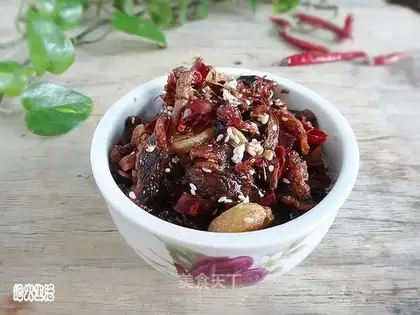
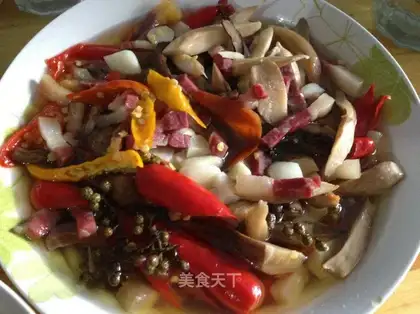
Termitomyces albuminosus, commonly known as jicong in Chinese, termite mushroom in English, and revered as the "golden treasure of the forest" in its native regions, is a highly prized wild mushroom with a centuries-old legacy in culinary and traditional medicine. Native to subtropical and tropical areas of East and Southeast Asia—including China’s Yunnan, Guizhou, and Guangxi provinces, as well as parts of Thailand, Vietnam, and India—this delicate fungus thrives in symbiotic harmony with termite mounds, emerging only during the rainy season. Its rarity, unique umami flavor, and nutritional density have earned it the title "king of mushrooms" among food enthusiasts and health practitioners alike. Beyond its culinary allure, T. albuminosus is a nutritional powerhouse, offering a spectrum of vitamins, minerals, bioactive compounds, and medicinal properties. However, like many wild foods, it requires careful handling to avoid potential risks. This article delves into the nutritional composition, health benefits, and essential precautions associated with consuming this forest delicacy.
Nutritional Value: A Concentrated Source of Essential Nutrients
Termitomyces albuminosus stands out among edible mushrooms for its exceptional nutritional profile, which combines macronutrients, micronutrients, and unique bioactive compounds. Its composition reflects both its ecological role as a decomposer and its evolutionary adaptation to support termite colonies, resulting in a nutrient density that rivals even the most cultivated mushrooms.
Macronutrients: Lean Protein and Dietary Fiber
As a low-calorie, nutrient-dense food, T. albuminosus is an excellent source of high-quality protein. On average, fresh mushrooms contain 2–3 grams of protein per 100 grams, while dried specimens can boast up to 20–30% protein by dry weight—comparable to legumes and superior to most vegetables. The protein is complete, containing all nine essential amino acids, including lysine, which is often lacking in plant-based foods. This makes it a valuable protein source for vegetarians, vegans, and individuals seeking to reduce meat consumption.
Dietary fiber is another standout component, with fresh mushrooms providing 1–2 grams per 100 grams and dried varieties reaching 30–40% fiber. This fiber is primarily composed of chitin (a structural polysaccharide also found in insect exoskeletons) and beta-glucans, soluble fibers known for their prebiotic effects. These fibers support digestive health by promoting regularity, feeding beneficial gut bacteria, and reducing the risk of constipation and colorectal cancer.
Micronutrients: Vitamins and Minerals
The mushroom’s micronutrient profile is equally impressive, particularly its content of B vitamins, essential minerals, and fat-soluble vitamins.
B vitamins are abundant in T. albuminosus, playing critical roles in energy metabolism, nervous system function, and red blood cell formation. Notably, it is rich in riboflavin (B2), niacin (B3), and pantothenic acid (B5). A 100-gram serving of fresh mushrooms can provide 20–30% of the daily recommended intake (DRI) for riboflavin, which supports skin and eye health, and 15–20% of the DRI for niacin, which aids in converting food into energy. The mushroom also contains significant amounts of vitamin B12, a nutrient rarely found in plant-based foods, though levels vary depending on growing conditions and processing.
Minerals are another key strength. T. albuminosus is an excellent source of potassium, with 100 grams of fresh mushrooms providing 300–400 milligrams—nearly 10% of the DRI. Potassium regulates blood pressure, fluid balance, and muscle function, making the mushroom a heart-healthy choice. It is also rich in phosphorus (for bone health and DNA synthesis), iron (for oxygen transport), and zinc (for immune function and wound healing). Dried mushrooms concentrate these minerals further, with a single serving providing up to 50% of the DRI for iron and zinc.
Fat-soluble vitamins are less abundant but still notable. T. albuminosus contains small amounts of vitamin D2, especially when exposed to sunlight during drying, which is crucial for calcium absorption and bone health. It also provides vitamin E, an antioxidant that protects cells from oxidative damage, and vitamin K, which supports blood clotting and bone metabolism.
Bioactive Compounds: Beyond Basic Nutrition
What truly sets T. albuminosus apart is its array of bioactive compounds, which contribute to both its unique flavor and its medicinal properties. Umami, the fifth taste, is particularly pronounced in this mushroom, thanks to high levels of glutamic acid (up to 1.5 grams per 100 grams in dried specimens) and 5’-nucleotides like guanylic acid. These compounds enhance the flavor of dishes, reducing the need for added salt and supporting cardiovascular health.
Beta-glucans, soluble fibers found in the cell walls, are among the most studied bioactive compounds in T. albuminosus. These polysaccharides have immunomodulatory effects, meaning they can either stimulate or suppress immune activity depending on the body’s needs. They also exhibit cholesterol-lowering properties by binding to bile acids in the digestive system and promoting their excretion, thereby reducing LDL ("bad") cholesterol.
The mushroom also contains terpenoids, phenolic compounds, and polysaccharides with antioxidant and anti-inflammatory properties. These compounds neutralize free radicals—unstable molecules that cause oxidative stress and contribute to chronic diseases like cancer, diabetes, and neurodegenerative disorders. Additionally, T. albuminosus produces lectins, proteins that have been studied for their potential antiviral and anticancer effects, though more research is needed to confirm their efficacy in humans.
Health Benefits: From Traditional Medicine to Modern Wellness
For centuries, Termitomyces albuminosus has been used in traditional Chinese medicine (TCM) to treat ailments ranging from digestive disorders to fatigue. Modern science is now validating many of these traditional uses, revealing that the mushroom’s nutritional and bioactive compounds offer a range of health benefits.
Immune System Modulation
One of the most well-documented benefits of T. albuminosus is its ability to support immune function. Beta-glucans, in particular, interact with immune cells such as macrophages, natural killer (NK) cells, and T-cells, enhancing their ability to detect and destroy pathogens. Research shows that regular consumption of T. albuminosus can increase NK cell activity by 30–50%, improving the body’s defense against viral infections and cancer. The mushroom’s polysaccharides also stimulate the production of cytokines—signaling molecules that regulate immune responses—helping to prevent both excessive inflammation (linked to autoimmune diseases) and immunosuppression (linked to chronic infections).
Antioxidant and Anti-Inflammatory Effects
Oxidative stress and chronic inflammation are underlying factors in many modern diseases, including heart disease, diabetes, and arthritis. Termitomyces albuminosus is rich in antioxidants, including polyphenols, flavonoids, and ergothioneine, a unique amino acid that accumulates in mushrooms and protects cells from oxidative damage. Studies have found that T. albuminosus extract can reduce markers of inflammation, such as C-reactive protein (CRP) and interleukin-6 (IL-6), by up to 40% in animal models. In humans, regular consumption has been associated with lower levels of oxidative stress, as measured by reduced malondialdehyde (MDA), a byproduct of lipid peroxidation.
Cardiovascular Health Support
The mushroom’s impact on heart health is multifaceted. Its high potassium content helps regulate blood pressure by counteracting the effects of sodium, while its beta-glucans lower LDL cholesterol and triglycerides by inhibiting cholesterol absorption in the gut. Additionally, T. albuminosus contains arginine, an amino acid that produces nitric oxide—a molecule that relaxes blood vessels and improves blood flow. A 12-week study in patients with mild hypercholesterolemia found that consuming 50 grams of dried T. albuminosus daily reduced total cholesterol by 15% and LDL cholesterol by 20%, with no significant side effects.
Digestive Health and Gut Microbiota
The dietary fiber and prebiotics in T. albuminosus play a key role in maintaining digestive health. Soluble fiber forms a gel-like substance in the gut, which slows digestion and stabilizes blood sugar levels, while insoluble fiber adds bulk to stool, preventing constipation. Beta-glucans also act as prebiotics, feeding beneficial bacteria like Bifidobacterium and Lactobacillus, which dominate a healthy gut microbiota. These bacteria produce short-chain fatty acids (SCFAs) such as butyrate, which reduce inflammation in the colon and protect against colorectal cancer. Research suggests that regular mushroom consumption can increase SCFA levels by 20–30%, improving gut barrier function and reducing the risk of inflammatory bowel disease (IBD).
Potential Anti-Cancer Properties
While no food can cure cancer, Termitomyces albuminosus shows promise as a complementary therapy due to its bioactive compounds. Polysaccharides and terpenoids in the mushroom have been shown to inhibit tumor growth in vitro and in animal models by inducing apoptosis (programmed cell death) in cancer cells and blocking angiogenesis (the formation of new blood vessels that feed tumors). A 2020 study published in the Journal of Ethnopharmacology found that T. albuminosus extract reduced tumor size by 50% in mice with breast cancer, with no toxicity to healthy cells. Human studies are limited, but epidemiological research suggests that populations with high mushroom consumption have lower rates of certain cancers, including breast and prostate cancer.
Energy and Metabolic Health
In TCM, T. albuminosus is classified as a "tonic" food, believed to boost energy and reduce fatigue. Modern science supports this use: the mushroom’s B vitamins (particularly B1, B2, and B12) are essential for converting carbohydrates, fats, and proteins into energy, while its iron content prevents iron-deficiency anemia, a common cause of fatigue. Additionally, the mushroom’s polysaccharides improve insulin sensitivity by enhancing glucose uptake in cells, making it beneficial for individuals with type 2 diabetes. A 2018 study in Phytotherapy Research found that diabetic rats fed T. albuminosus extract had 30% lower blood sugar levels and improved insulin sensitivity compared to controls.
Precautions and Potential Risks
Despite its many benefits, Termitomyces albuminosus is not without risks. As a wild mushroom, improper identification, handling, or preparation can lead to adverse effects. Understanding these risks is crucial for safe consumption.
Proper Identification: Avoiding Toxic Look-Alikes
The most significant risk associated with T. albuminosus is misidentification. Several toxic mushrooms resemble T. albuminosus, including Galerina marginata (deadly galerina) and Clitocybe illudens (jack-o’-lantern), which can cause fatal liver and kidney failure if consumed. T. albuminosus is distinguished by its honey-colored cap, thick stem, and growth near termite mounds, but these features can be mimicked by toxic species. Foragers must be trained to identify the mushroom accurately, and beginners should always consult an expert or purchase from reputable suppliers. Dried mushrooms are a safer option for those unfamiliar with foraging, as they are typically sourced and processed by professionals.
Allergic Reactions
While rare, some individuals may be allergic to T. albuminosus. Allergic reactions can range from mild (itching, hives) to severe (anaphylaxis, difficulty breathing). People with known mushroom allergies should avoid consuming T. albuminosus, and first-time consumers should start with a small amount (e.g., 10 grams) to test for sensitivity.
Contamination and Pesticide Residues
Wild mushrooms can absorb environmental toxins, including heavy metals (e.g., lead, cadmium) and pesticides, from soil and water. T. albuminosus grown near industrial areas or agricultural fields may contain high levels of these contaminants, posing long-term health risks. To minimize exposure, consumers should choose mushrooms from organic or wild-foraged sources in pristine environments and wash them thoroughly before consumption. Dried mushrooms are less likely to contain pesticide residues, as they are often harvested from remote, unpolluted areas.
Overconsumption and Digestive Discomfort
Like all high-fiber foods, T. albuminosus can cause digestive discomfort if consumed in excess. Its high fiber content may lead to bloating, gas, or diarrhea, particularly in individuals with sensitive digestive systems. It is recommended to start with small servings (20–30 grams fresh or 5–10 grams dried) and gradually increase intake as the gut adjusts. Additionally, cooking the mushroom thoroughly is essential to break down chitin and improve digestibility; raw mushrooms are harder to digest and may contain anti-nutrients that interfere with nutrient absorption.
Interactions with Medications
Termitomyces albuminosus may interact with certain medications due to its bioactive compounds. For example, its high potassium content can be dangerous for individuals taking potassium-sparing diuretics or ACE inhibitors, which increase potassium levels in the blood. The mushroom’s anticoagulant properties (from polysaccharides) may also enhance the effects of blood-thinning medications like warfarin, increasing the risk of bleeding. People taking these medications should consult a healthcare provider before consuming T. albuminosus regularly.
Conclusion: A Treasure Worth Savoring Responsibly
Termitomyces albuminosus is more than just a culinary delicacy—it is a nutritional and medicinal powerhouse that offers a wide range of health benefits, from immune support to heart health and beyond. Its unique combination of protein, fiber, vitamins, minerals, and bioactive compounds makes it a valuable addition to a balanced diet. However, its wild nature demands respect: proper identification, careful sourcing, and moderation are key to avoiding potential risks.
For centuries, this "golden treasure of the forest" has been celebrated for its ability to nourish the body and heal the mind. As modern science continues to uncover its secrets, T. albuminosus is gaining recognition as a superfood with the potential to address some of the most pressing health challenges of our time. By consuming it responsibly, we can honor its legacy while harnessing its remarkable benefits—proving that some of nature’s greatest gifts are also worth protecting.