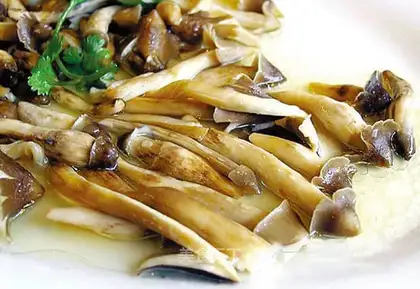
Nestled in the lush subtropical regions where lychee trees thrive, a rare and prized fungus known as lychee mushroom (or Litchi chinensis mushroom) emerges as a seasonal delicacy. Revered for its unique flavor, tender texture, and exceptional nutritional profile, this wild mushroom has long been celebrated in traditional Chinese cuisine and medicine. As modern science increasingly uncovers the health benefits of functional foods, lychee mushroom is gaining global attention for its potent bioactive compounds, immune-boosting properties, and therapeutic potential. This article delves into the nutritional value, health benefits, and important precautions associated with lychee mushroom, offering a comprehensive guide to this extraordinary ingredient.
I. Nutritional Profile: A Treasure Trove of Essential Nutrients
Lychee mushroom is a nutritional powerhouse, packed with vitamins, minerals, proteins, and unique bioactive compounds that contribute to its health-promoting properties. Unlike common cultivated mushrooms, its wild growth cycle and symbiotic relationship with lychee trees enrich its composition with rare nutrients.
1. Rich in Protein and Essential Amino Acids
Mushrooms are renowned for their high protein content, and lychee mushroom is no exception. It contains all nine essential amino acids (lysine, leucine, phenylalanine, etc.), making it a complete protein source—particularly valuable for vegetarians and vegans. With a protein content of 20–30% (dry weight), it rivals animal-based proteins in quality while being low in fat and calories. A 100-gram serving of fresh lychee mushroom provides approximately 3–4 grams of protein, supporting muscle repair, tissue maintenance, and overall growth.
2. Vitamins and Minerals for Optimal Health
Lychee mushroom is a rich source of B vitamins, including riboflavin (B2), niacin (B3), and pantothenic acid (B5), which play critical roles in energy metabolism, nervous system function, and skin health. It is particularly high in vitamin D2, especially when exposed to sunlight during its growth phase, aiding calcium absorption and bone health.
Mineral-wise, lychee mushroom excels in potassium (important for blood pressure regulation), iron (essential for oxygen transport), selenium (a potent antioxidant), and copper (vital for iron metabolism and immune function). Notably, its selenium content is 5–10 times higher than that of common mushrooms like shiitake, making it a standout for combating oxidative stress.
3. Bioactive Compounds: Polysaccharides, Triterpenoids, and Phenolics
The true magic of lychee mushroom lies in its bioactive compounds, which underpin its medicinal properties. Beta-glucans, a type of polysaccharide, are abundant in this mushroom. These complex sugars are known to modulate immune function, enhance macrophage activity, and exhibit anti-tumor effects. Studies suggest that lychee mushroom beta-glucans can stimulate the production of cytokines, proteins that regulate immune responses, making it a promising adaptogen for immune support.
Triterpenoids, another key group of compounds, contribute to its anti-inflammatory and antioxidant effects. These compounds inhibit pro-inflammatory enzymes (like COX-2) and neutralize free radicals, reducing cellular damage. Additionally, lychee mushroom contains phenolic acids and flavonoids, which further bolster its antioxidant capacity, protecting against chronic diseases linked to oxidative stress, such as cardiovascular disease and diabetes.
II. Health Benefits: From Traditional Wisdom to Modern Science
For centuries, lychee mushroom has been used in traditional Chinese medicine (TCM) to tonify the spleen, nourish blood, and improve vitality. Today, scientific research is validating these traditional uses, revealing evidence-based health benefits that span immune support, disease prevention, and overall wellness.
1. Immune System Modulation
One of the most well-documented benefits of lychee mushroom is its ability to enhance immune function. Beta-glucans in the mushroom act as "biological response modifiers," activating immune cells such as natural killer (NK) cells, T-cells, and dendritic cells. This activation enhances the body’s ability to detect and eliminate pathogens, including bacteria, viruses, and abnormal cells.
Research published in the Journal of Ethnopharmacology found that extracts of lychee mushroom significantly increased NK cell activity in mice, suggesting potential applications in preventing infections and supporting cancer therapy. Additionally, its high selenium content further strengthens immunity, as selenium is essential for the production of glutathione, a key antioxidant enzyme that protects immune cells from damage.
2. Anti-Cancer and Anti-Tumor Properties
Lychee mushroom has emerged as a focus in cancer research due to its potent anti-tumor effects. The triterpenoids and polysaccharides in the mushroom have been shown to inhibit the proliferation of cancer cells, induce apoptosis (programmed cell death), and prevent metastasis.
A study in Phytomedicine demonstrated that lychee mushroom extract suppressed the growth of human colon cancer cells by regulating signaling pathways involved in cell cycle progression. Furthermore, its beta-glucans can enhance the efficacy of chemotherapy by reducing side effects such as immunosuppression, making it a valuable adjunctive therapy in cancer care.
3. Anti-Inflammatory and Antioxidant Effects
Chronic inflammation and oxidative stress are underlying factors in many diseases, including arthritis, diabetes, and neurodegenerative disorders. Lychee mushroom’s rich array of antioxidants—including triterpenoids, phenolics, and selenium—helps neutralize free radicals and reduce inflammation.
In vitro and animal studies have shown that lychee mushroom extract inhibits the production of inflammatory cytokines (such as TNF-α and IL-6) and reduces markers of oxidative stress, such as malondialdehyde (MDA). These effects suggest potential benefits for managing inflammatory conditions like rheumatoid arthritis and protecting against age-related cognitive decline.
4. Cardiovascular Health Support
Lychee mushroom may contribute to heart health through multiple mechanisms. Its high potassium content helps regulate blood pressure by counteracting the effects of sodium, while its fiber content (approximately 2–3 grams per 100 grams fresh weight) lowers LDL ("bad") cholesterol and improves lipid metabolism.
Moreover, the mushroom’s antioxidants prevent the oxidation of LDL cholesterol, a key step in the development of atherosclerosis. A study in the British Journal of Nutrition found that regular consumption of mushroom extracts rich in beta-glucans reduced arterial stiffness and improved endothelial function, markers of cardiovascular health.
5. Liver Protection and Detoxification
The liver is the body’s primary detoxification organ, and lychee mushroom appears to support its function through its antioxidant and anti-inflammatory properties. Research indicates that the mushroom’s polysaccharides can enhance the activity of liver antioxidant enzymes (such as superoxide dismutase and catalase), reducing liver damage caused by toxins like alcohol and heavy metals.
In a study on mice with chemically induced liver injury, lychee mushroom extract significantly reduced liver enzyme levels (ALT and AST) and decreased oxidative stress markers, suggesting hepatoprotective effects. These findings make it a promising natural remedy for fatty liver disease and other liver disorders.
III. Precautions and Potential Side Effects
While lychee mushroom offers numerous health benefits, it is essential to consume it responsibly to avoid adverse effects. Like all wild mushrooms, improper identification or overconsumption can lead to health risks.
1. Proper Identification is Crucial
Lychee mushroom is a wild fungus that grows symbiotically with lychee trees during warm, humid months (typically May to July). However, it is often confused with toxic mushroom species, such as Gyromitra esculenta (false morel) or Entoloma sinuatum (poisonous pinkgill), which can cause severe poisoning or even death. Only consume lychee mushroom if it has been identified by an expert forager or purchased from a reputable source. Wild foragers should rely on field guides, local experts, and mushroom identification apps to ensure safety.
2. Moderate Consumption to Avoid Digestive Issues
Lychee mushroom is high in dietary fiber, which is beneficial for digestion but can cause bloating, gas, or diarrhea if consumed in excess. Individuals with sensitive stomachs or irritable bowel syndrome (IBS) should start with small portions (e.g., 50–100 grams per serving) and gradually increase intake. Cooking the mushroom thoroughly (e.g., boiling, stir-frying) also breaks down fiber compounds, making it easier to digest.
3. Allergic Reactions
While rare, mushroom allergies can occur, particularly in individuals with sensitivities to other fungi or molds. Symptoms may include itching, hives, swelling, or difficulty breathing. Those with a history of mushroom allergies should avoid lychee mushroom altogether. If a reaction occurs after consumption, seek medical attention immediately.
4. Interaction with Medications
Lychee mushroom may interact with certain medications due to its bioactive compounds. For example, its blood-thinning properties (from polysaccharides) could enhance the effects of anticoagulants like warfarin, increasing the risk of bleeding. Similarly, its immune-boosting effects may interfere with immunosuppressant medications taken by organ transplant recipients. Individuals on medication should consult a healthcare provider before adding lychee mushroom to their diet.
5. Not Suitable for Everyone
Pregnant and breastfeeding women, children, and individuals with autoimmune diseases (e.g., lupus, rheumatoid arthritis) should exercise caution. While limited research exists on these populations, the mushroom’s potent immune-modulating effects could potentially exacerbate autoimmune conditions or cause unintended effects in vulnerable groups. A doctor’s advice is recommended in such cases.
IV. Culinary Uses and Sustainability
Beyond its health benefits, lychee mushroom is a culinary delight, prized for its delicate, slightly sweet flavor and crisp, tender texture. In traditional Chinese cuisine, it is often stir-fried with garlic and ginger, added to soups, or used as a topping for hot pots. Its ability to absorb flavors makes it a versatile ingredient in both vegetarian and meat dishes.
However, due to its seasonal and wild-harvested nature, lychee mushroom is rare and expensive. Overharvesting threatens its sustainability, as excessive foraging can disrupt its symbiotic relationship with lychee trees. To preserve this precious resource, consumers should choose sustainably sourced mushrooms and support local foragers who practice ethical harvesting. Some regions are also exploring cultivation techniques, though wild-harvested mushrooms remain the most prized for their superior flavor and nutrient density.
Conclusion
Lychee mushroom is a true gift of nature, offering a unique blend of exceptional nutrition, medicinal properties, and culinary delight. From its immune-boosting polysaccharides to its anti-inflammatory triterpenoids, this fungus has earned its place as a superfood in both traditional and modern wellness practices. However, its rarity and potential risks underscore the importance of proper identification, moderate consumption, and sustainable sourcing.
As research continues to uncover its full potential, lychee mushroom may become a staple in global health and cuisine—provided we respect its origins and consume it wisely. Whether enjoyed as a nourishing soup, a flavorful stir-fry, or a preventive health tonic, this "jewel of the lychee forest" reminds us of the profound connection between nature, food, and well-being.