For centuries, the lily bulb (Lilium spp.), known as bai he (百合) in Chinese, has been revered not only for its elegant beauty but also for its remarkable nutritional and medicinal properties. Widely used in East Asian cuisine and traditional medicine, this humble ingredient offers a unique blend of delicate flavor and health benefits. From soothing respiratory ailments to nourishing the body, the lily bulb stands as a testament to nature’s ability to merge taste and wellness. However, like many potent foods, it must be consumed with awareness of its potential risks. This article explores the nutritional profile, health benefits, and precautions associated with lily bulbs, providing a comprehensive guide to incorporating this versatile ingredient into a balanced diet.
I. Nutritional Profile of Lily Bulbs
Lily bulbs are often overlooked in Western nutrition circles, but their composition reveals a treasure trove of essential nutrients. Botanically, they are the underground storage organs of certain lily species, primarily Lilium lancifolium (tiger lily) and Lilium brownii (white lily), which are cultivated for culinary and medicinal use. Nutritionally, they are low in calories but rich in carbohydrates, fiber, vitamins, and minerals, making them a valuable addition to a health-conscious diet.
A 100-gram serving of fresh lily bulbs contains approximately:
- Calories: 85–100, with most coming from complex carbohydrates.
- Carbohydrates: 20–25 grams, including dietary fiber (2–3 grams) and small amounts of natural sugars.
- Protein: 3–4 grams, a notable amount for a bulb vegetable, providing essential amino acids like lysine and arginine.
- Fat: Less than 1 gram, making it virtually fat-free.
- Vitamins: Rich in B vitamins (e.g., thiamine, riboflavin, and niacin), which support energy metabolism, and vitamin C, an antioxidant that boosts immune function. Dried lily bulbs contain even higher concentrations of these nutrients due to reduced water content.
- Minerals: Excellent sources of potassium (300–400 mg per 100g), which regulates blood pressure, and calcium (50–70 mg), vital for bone health. They also provide magnesium, phosphorus, and iron, though in smaller quantities.
- Bioactive Compounds: Lily bulbs contain polysaccharides, flavonoids, and saponins—plant compounds linked to anti-inflammatory, antioxidant, and immune-modulating effects. These compounds are particularly concentrated in dried lily bulbs, enhancing their medicinal value.
II. Health Benefits and Medicinal Properties
The consumption of lily bulbs is deeply rooted in traditional Chinese medicine (TCM), where they are classified as a “cooling” food, believed to nourish the lungs, calm the mind, and promote fluid balance. Modern research has begun to validate many of these traditional claims, highlighting lily bulbs as a functional food with diverse health benefits.
1. Respiratory Health: Soothing the Lungs and Throat
In TCM, lily bulbs are a cornerstone of remedies for respiratory ailments. Their cooling nature is thought to “moisten the lungs,” making them particularly beneficial for conditions like dry coughs, sore throats, and hoarseness—often exacerbated by dry climates or smoking. Studies suggest that polysaccharides in lily bulbs possess mucilaginous properties, which form a protective layer over irritated mucous membranes, reducing inflammation and easing coughing. A 2018 study published in the Journal of Ethnopharmacology found that lily bulb extract significantly reduced airway inflammation in mice, supporting its traditional use for asthma and bronchitis.
2. Mental Well-being: Reducing Anxiety and Improving Sleep
Lily bulbs are renowned in TCM for their ability to “calm the spirit” (an shen). Modern research attributes this effect to their content of flavonoids and alkaloids, which interact with the central nervous system to promote relaxation. A 2020 study in Phytomedicine demonstrated that lily bulb extract reduced anxiety-like behavior in rats by modulating GABA receptors, the same target as anti-anxiety medications. Additionally, their high magnesium content—a mineral known to regulate stress hormones—further contributes to their calming properties. For individuals struggling with insomnia or stress, lily bulb tea or soups are often recommended as a natural sleep aid.
3. Skin Health: Hydration and Anti-Aging
The hydrating and antioxidant properties of lily bulbs make them a boon for skin health. Their high water content (over 70% in fresh bulbs) helps maintain skin elasticity, while vitamin C and flavonoids combat free radical damage, which accelerates aging. In TCM, lily bulbs are used in formulations to “clear heat and toxins,” a concept that aligns with their ability to reduce inflammation and acne. A 2019 study in Food & Function found that polysaccharides from lily bulbs stimulated collagen production in human skin cells, suggesting potential anti-aging benefits.
4. Digestive Health: Promoting Gut Balance
With moderate fiber content and prebiotic-like polysaccharides, lily bulbs support digestive health. Fiber aids regularity and prevents constipation, while polysaccharides act as food for beneficial gut bacteria, fostering a healthy microbiome. In TCM, lily bulbs are prescribed to “tonify the stomach” and alleviate symptoms like indigestion or bloating, particularly when caused by “heat” or dryness in the digestive tract.
5. Immune System Support
The polysaccharides in lily bulbs have been shown to enhance immune function by activating macrophages and increasing the production of cytokines—proteins that regulate immune responses. A 2017 study in International Immunopharmacology found that lily bulb polysaccharides boosted the activity of natural killer (NK) cells, which play a critical role in fighting infections and cancer cells. While more human trials are needed, these findings suggest that regular consumption may help strengthen the body’s defenses against illness.
III. Culinary Uses and Preparation
Lily bulbs are prized in East Asian cuisine for their subtle, slightly sweet flavor and crisp, gelatinous texture. They are available fresh or dried, with the latter being more common in Western markets. Dried lily bulbs must be rehydrated before use, typically by soaking in warm water for 20–30 minutes until they soften.
Common Culinary Applications
- Soups and Stews: Lily bulbs are a popular addition to clear soups, where they absorb the flavors of broths and meats while adding a pleasant crunch. A classic example is lily bulb and pork rib soup, believed to nourish the lungs and relieve dry coughs.
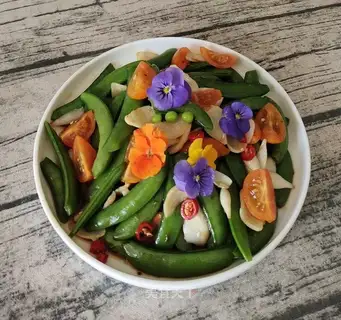
- Stir-fries: In Chinese cuisine, lily bulbs are stir-fried with vegetables like mushrooms, bamboo shoots, or snow peas, creating a dish that balances crispness and umami.
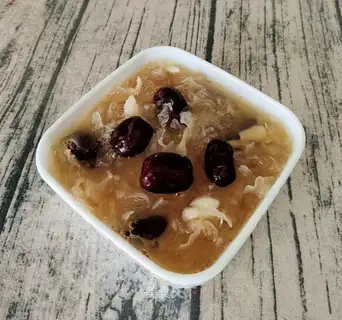
- Desserts: Their mild sweetness makes lily bulbs suitable for sweet dishes. In Japan, they are used in yokan (a sweet jelly), and in China, they are often combined with ingredients like lotus seeds and rock sugar in nourishing desserts.
- Teas: Dried lily bulbs are steeped to make herbal tea, often with goji berries or chrysanthemum, to enhance their calming and hydrating effects.
Flavor Pairings
Lily bulbs pair well with ingredients that complement their delicate taste:
- Savory: Pork, chicken, mushrooms, tofu, and ginger.
- Sweet: Rock sugar, lotus seeds, red dates, and honey.
- Aromatic: Chrysanthemum, osmanthus, and green tea.
IV. Precautions and Contraindications
While lily bulbs offer numerous health benefits, they are not suitable for everyone. Certain precautions must be taken to avoid adverse effects, particularly for individuals with specific health conditions or those taking medications.
1. Toxicity in Raw or Improperly Prepared Bulbs
Fresh lily bulbs contain colchicine, a toxic compound that can cause nausea, vomiting, abdominal pain, and even organ damage if consumed in large quantities. Cooking neutralizes colchicine, so fresh lily bulbs must be thoroughly boiled or steamed before eating. Dried lily bulbs, which are typically pre-treated, are safer but should still be rehydrated and cooked. Pregnant women and children should avoid raw or undercooked lily bulbs entirely.
2. Cold Constitution and Digestive Sensitivity
In TCM, lily bulbs are “cooling” foods, meaning they can exacerbate “cold” conditions—characterized by symptoms like cold limbs, poor digestion, or loose stools. Individuals with a “cold constitution” or those prone to diarrhea should consume lily bulbs in moderation or pair them with “warming” ingredients like ginger or cinnamon.
3. Drug Interactions
Lily bulbs may interact with certain medications due to their bioactive compounds. For example:
- Blood Pressure Medications: Their high potassium content may potentiate the effects of diuretics or ACE inhibitors, leading to low blood pressure (hypotension).
- Diabetes Medications: Polysaccharides in lily bulbs may lower blood sugar, increasing the risk of hypoglycemia when taken with diabetes drugs.
- Sedatives: Their calming effects may enhance the action of sedatives or anti-anxiety medications, causing excessive drowsiness.
Individuals taking these medications should consult a healthcare provider before adding lily bulbs to their diet.
4. Allergic Reactions
While rare, some people may be allergic to lily bulbs, experiencing symptoms like skin rashes, itching, or difficulty breathing. Those with known allergies to lilies or other plants in the Liliaceae family (e.g., onions, garlic) should exercise caution.
V. Conclusion: Embracing the Lily Bulb Wisely
The lily bulb is a true superfood, offering a unique combination of nutritional, medicinal, and culinary benefits. From supporting respiratory health and mental well-being to enhancing skin vitality and digestion, its versatility is unmatched. However, its “cooling” nature and potential toxicity in raw form demand respect and moderation. By cooking lily bulbs properly and considering individual health conditions, one can safely harness their power to promote overall wellness.
As interest in functional foods grows, the lily bulb is gaining recognition beyond East Asian borders. Whether enjoyed in a soothing soup, a crisp stir-fry, or a calming tea, this humble ingredient reminds us that nature’s most potent remedies often come in the most unassuming packages. With mindful consumption, the lily bulb can be a valuable ally in the pursuit of health and harmony.