Toon, scientifically known as Toona sinensis and commonly referred to as "Chinese mahogany" or "cedar leaf," is a deciduous tree native to East and Southeast Asia. For centuries, its young, tender leaves have been a prized ingredient in traditional Chinese cuisine, valued for their unique aroma, distinct flavor, and remarkable health benefits. Often hailed as "the vegetable of longevity," toon has transcended regional boundaries to gain global recognition as a superfood. This article explores the nutritional profile, health benefits, and important precautions associated with consuming toon, offering a comprehensive guide to this versatile ingredient.
I. Nutritional Profile of Toon
Toon leaves are a nutritional powerhouse, packed with vitamins, minerals, antioxidants, and bioactive compounds that contribute to their health-promoting properties. A 100-gram serving of fresh toon leaves contains approximately:
- Vitamins: Toon is exceptionally rich in vitamins, particularly vitamin K (essential for blood clotting and bone health), vitamin C (a potent antioxidant that supports immune function and skin health), and vitamin A (critical for vision, immune support, and cell growth). It also contains B vitamins, including folate (B9), which plays a vital role in DNA synthesis and cell division.
- Minerals: The leaves are a good source of calcium (important for bone and teeth health), iron (vital for oxygen transport and energy production), potassium (regulates blood pressure and fluid balance), and magnesium (supports muscle and nerve function).
- Antioxidants: Toon is loaded with polyphenols, flavonoids, and tannins, which combat oxidative stress by neutralizing free radicals. Key antioxidants include quercetin, kaempferol, and gallic acid, which have been linked to reduced inflammation and chronic disease prevention.
- Protein and Fiber: Unlike many other leafy greens, toon contains a moderate amount of plant-based protein (around 3-4% per 100 grams), making it a valuable addition to vegetarian and vegan diets. It is also high in dietary fiber, which aids digestion, promotes satiety, and supports gut health.
- Bioactive Compounds: Toon contains unique compounds such as toonins and limonoids, which exhibit antimicrobial, anti-inflammatory, and anticancer properties. These compounds are thought to contribute to toon’s traditional use in preventing infections and supporting immune health.
II. Health Benefits of Toon
The combination of nutrients and bioactive compounds in toon confers a wide range of health benefits, making it more than just a flavorful ingredient.
1. Supports Immune Function
Toon’s high vitamin C content (approximately 110 mg per 100 grams, more than twice the amount in oranges) makes it a natural immune booster. Vitamin C stimulates the production and function of white blood cells, enhancing the body’s ability to fight infections. Additionally, the antioxidants in toon protect immune cells from oxidative damage, ensuring optimal immune response.
2. Promotes Digestive Health
The fiber in toon adds bulk to stool and promotes regular bowel movements, preventing constipation and maintaining a healthy gut microbiome. Fiber also acts as a prebiotic, feeding beneficial gut bacteria and reducing the risk of digestive disorders such as irritable bowel syndrome (IBS). Some studies suggest that toon’s anti-inflammatory properties may help soothe the digestive tract and alleviate conditions like gastritis.
3. Anti-Inflammatory and Anticancer Properties
Chronic inflammation is a root cause of many diseases, including heart disease, diabetes, and cancer. Toon’s rich array of antioxidants and polyphenols, particularly quercetin and kaempferol, inhibits the production of pro-inflammatory enzymes (such as COX-2) and cytokines. Research indicates that toon extracts may suppress the growth of cancer cells by inducing apoptosis (programmed cell death) and inhibiting tumor angiogenesis (the formation of new blood vessels that feed tumors). For example, studies on liver, breast, and colon cancer cells have shown that toon limonoids can reduce cell proliferation and metastasis.
4. Enhances Bone Health
Toon is an excellent source of vitamin K and calcium, two nutrients critical for maintaining strong bones. Vitamin K activates osteocalcin, a protein that binds calcium to the bone matrix, improving bone density and strength. Regular consumption of toon may help prevent osteoporosis, especially in postmenopausal women who are at a higher risk of bone loss.
5. Regulates Blood Sugar and Cholesterol
Preliminary studies suggest that toon may help manage blood sugar levels by enhancing insulin sensitivity and inhibiting carbohydrate absorption in the gut. Its fiber content slows the digestion of sugars, preventing spikes in blood glucose levels. Additionally, toon’s antioxidants may reduce LDL ("bad") cholesterol oxidation and improve lipid profiles, lowering the risk of atherosclerosis and heart disease.
6. Detoxification and Liver Protection
In traditional Chinese medicine, toon is used to "detoxify" the body and support liver function. Modern research supports this use, as studies show that toon extracts can enhance the activity of liver detoxification enzymes (such as glutathione S-transferase) and reduce liver damage caused by toxins like alcohol and heavy metals. The antioxidant properties of toon also protect liver cells from oxidative stress.
III. Culinary Uses and Preparation Tips
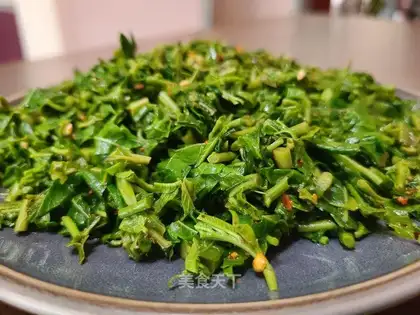
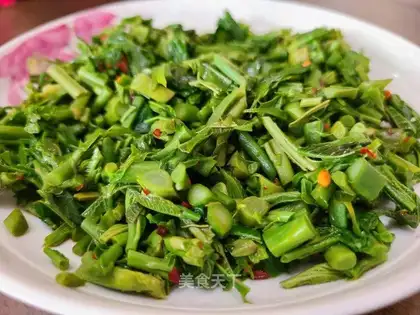
Toon’s unique flavor—often described as a blend of garlic, onion, and spring onions—makes it a versatile ingredient in both raw and cooked dishes. Young toon leaves are tender and mild, while older leaves are more pungent and should be cooked before consumption.
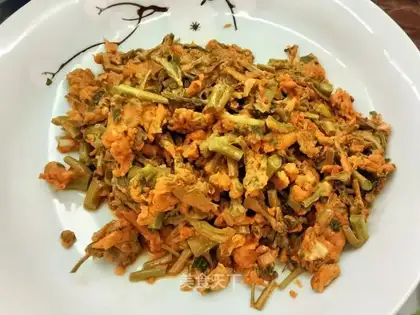
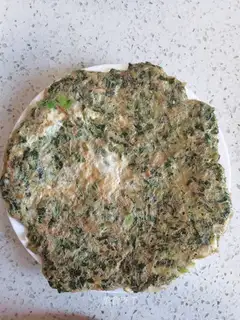
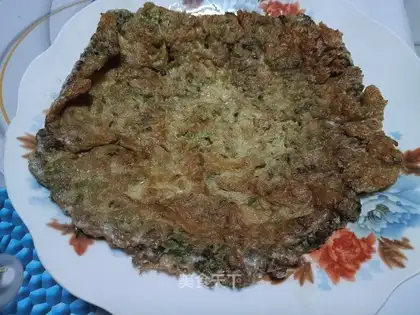
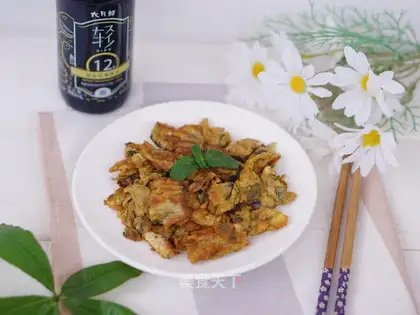
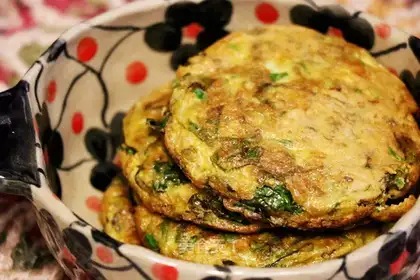
- Fresh Toon: The most common use is in stir-fries, such as "toon scrambled eggs" (chun jian dan) or "toon with tofu" (chun dou fu). Fresh leaves can also be blanched and tossed with garlic, soy sauce, and sesame oil as a salad or side dish.
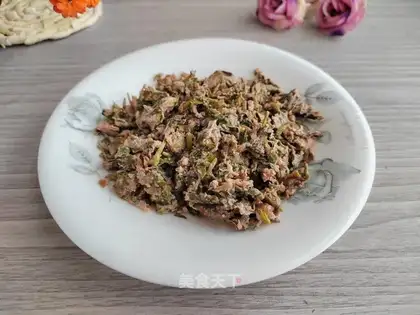
- Dried Toon: In some regions, toon leaves are dried and preserved for use year-round. Dried toon has a stronger, more concentrated flavor and is often rehydrated and added to soups, stews, or braised dishes.
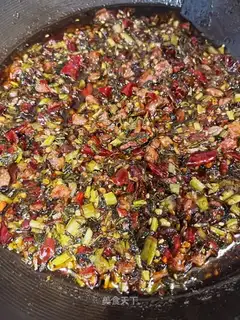
- Pickled Toon: Toon can be pickled in salt or vinegar, creating a tangy, umami-rich condiment that pairs well with rice or congee.
Precaution: Raw toon leaves contain nitrates and may harbor natural toxins (such as asafetida, which is destroyed by cooking). To minimize risks, always blanch or cook toon thoroughly before consumption, especially in large quantities.
IV.食用禁忌 (Precautions and Contraindications)
While toon offers numerous health benefits, it is important to consume it in moderation and with caution, as certain groups may experience adverse effects.
1. High Nitrate Content
Toon, like many leafy green vegetables, contains nitrates, which can convert to nitrites in the body. Excessive nitrite intake may interfere with oxygen transport in the blood, causing a condition called methemoglobinemia (blue baby syndrome in infants). Pregnant women, infants, and individuals with nitrate metabolism disorders should limit their consumption of toon, especially raw or undercooked varieties.
2. Medicinal Interactions
Toon may interact with certain medications, particularly anticoagulants (blood thinners) such as warfarin. Its high vitamin K content can counteract the effects of these drugs, increasing the risk of blood clots. Individuals taking blood thinners should consult their doctor before adding toon to their diet.
3. Allergic Reactions
Although rare, some people may be allergic to toon, experiencing symptoms such as skin rashes, itching, or digestive discomfort. Those with a history of allergies to plants in the Meliaceae family (e.g., mahogany) should avoid toon.
4. Pregnancy and Lactation
While toon is generally safe in moderation, pregnant women should consume it sparingly due to its nitrate content. Lactating women can include toon in their diet but should avoid excessive amounts to prevent potential digestive issues in infants.
5. Overconsumption
Eating large quantities of toon, particularly raw or improperly cooked, may cause digestive upset, including nausea, vomiting, or diarrhea. It is best to start with small servings and gradually increase intake as tolerated.
V. Conclusion
Toon is a nutritional and culinary gem, offering a unique combination of flavor, aroma, and health benefits. Its rich content of vitamins, minerals, antioxidants, and bioactive compounds supports immune function, digestive health, bone strength, and chronic disease prevention. However, like all foods, it should be consumed mindfully, with attention to potential risks such as high nitrate levels and medicinal interactions. When prepared and eaten in moderation, toon can be a valuable addition to a balanced diet, embodying the harmony of taste and wellness that defines traditional Asian cuisine. As global interest in superfoods grows, toon is poised to become a staple in health-conscious kitchens worldwide, offering a delicious way to nourish the body and delight the senses.