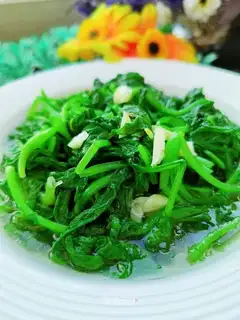
In the world of microgreens and sprouts, radish sprouts (also known as radish shoots or daikon sprouts) stand out for their peppery bite, vibrant color, and exceptional nutritional density. These young, tender seedlings—harvested just days after radish seeds germinate—have been celebrated for centuries in Asian cuisine and are now gaining global recognition as a "superfood." Packed with vitamins, minerals, antioxidants, and bioactive compounds, radish sprouts offer a myriad of health benefits, from boosting immunity to supporting digestion. However, like all nutrient-dense foods, they should be consumed mindfully to avoid potential risks. This article explores the nutritional profile, health benefits, and precautions associated with radish sprouts, providing a comprehensive guide for incorporating them into a balanced diet.
I. Nutritional Profile of Radish Sprouts
Radish sprouts are a nutritional powerhouse, offering a concentrated dose of essential nutrients in a low-calorie package. Just one cup (about 70 grams) of raw radish sprouts contains approximately:
- Calories: 20–25 kcal
- Protein: 2–3 grams
- Carbohydrates: 3–4 grams (including 1–2 grams of fiber)
- Fat: Less than 0.5 grams
- Vitamins:
- Vitamin C: 25–30 mg (over 30% of the Daily Value, DV)
- Vitamin K: 30–40 mcg (25–30% DV)
- Folate (B9): 40–50 mcg (10–15% DV)
- Vitamin A (as beta-carotene): 100–200 IU (2–4% DV)
- Minerals:
- Potassium: 150–200 mg (3–4% DV)
- Calcium: 20–30 mg (2–3% DV)
- Iron: 0.5–0.8 mg (3–5% DV)
- Magnesium: 10–15 mg (2–3% DV)
- Antioxidants: Glucoraphanin, sulforaphane, anthocyanins, and isothiocyanates.
- Fiber: Rich in both soluble and insoluble fiber, aiding digestive health.
What sets radish sprouts apart is their high concentration of glucoraphanin, a compound that converts to sulforaphane when chewed or chopped. Sulforaphane is a potent antioxidant and anti-inflammatory compound studied for its role in disease prevention. Additionally, their peppery flavor comes from isothiocyanates, sulfur-containing compounds linked to detoxification and immune support.
II. Health Benefits of Radish Sprouts
The combination of vitamins, minerals, and bioactive compounds in radish sprouts contributes to a range of health benefits, supported by both traditional use and modern scientific research.
1. Enhanced Immune Function
Radish sprouts are an excellent source of vitamin C, a critical nutrient for immune health. Vitamin C stimulates the production and function of white blood cells, which defend the body against pathogens. It also acts as an antioxidant, protecting immune cells from damage by free radicals. A single cup of radish sprouts provides over 30% of the recommended daily intake of vitamin C, making it a valuable addition to cold and flu season diets.
2. Powerful Antioxidant and Anti-Inflammatory Properties
Sulforaphane, derived from glucoraphanin, is one of the most studied compounds in radish sprouts. Research shows that sulforaphane activates the Nrf2 pathway, a cellular mechanism that upregulates antioxidant enzymes and reduces oxidative stress. This process helps protect cells from damage caused by free radicals, lowering the risk of chronic diseases such as cancer, heart disease, and neurodegenerative disorders.
The isothiocyanates in radish sprouts also exhibit strong anti-inflammatory effects. Chronic inflammation is a key driver of many diseases, including arthritis, diabetes, and obesity. By inhibiting pro-inflammatory cytokines (signaling molecules), radish sprouts may help alleviate inflammation and promote overall health.
3. Detoxification Support
Sulforaphane enhances the body’s detoxification pathways by increasing the activity of phase II enzymes in the liver. These enzymes neutralize and eliminate toxins, carcinogens, and environmental pollutants. A 2019 study published in Nutrients found that sulforaphane from cruciferous sprouts (including radish) improved liver function and reduced toxin-induced damage in animal models. This makes radish sprouts a valuable food for supporting the body’s natural detoxification processes.
4. Digestive Health
Radish sprouts are rich in fiber, which promotes healthy digestion by adding bulk to stool, preventing constipation, and feeding beneficial gut bacteria. The insoluble fiber in radish sprouts acts as a "prebiotic," nourishing the microbiome and supporting a balanced gut environment. Additionally, their high water content (over 90%) helps hydrate the digestive system, further aiding regularity.
Some studies suggest that the sulfur compounds in radish sprouts may also help reduce bloating and improve gut motility, though more human research is needed to confirm these effects.
5. Cancer Prevention Potential
The anti-cancer properties of radish sprouts are largely attributed to sulforaphane and isothiocyanates. These compounds have been shown to:
- Inhibit the growth of cancer cells (particularly in breast, colon, and prostate cancers).
- Induce apoptosis (programmed cell death) in malignant cells.
- Prevent tumor formation by blocking carcinogens from damaging DNA.
A 2020 review in Molecules highlighted that sulforaphane from sprouts is more bioavailable (easily absorbed) than from mature radishes, making radish sprouts an efficient source of this protective compound. While human trials are ongoing, epidemiological studies link regular consumption of cruciferous sprouts to a reduced risk of certain cancers.
6. Heart Health
Radish sprouts support cardiovascular health through multiple mechanisms:
- Lower Blood Pressure: Their potassium content helps balance sodium levels and relax blood vessels, reducing hypertension risk.
- Reduce Cholesterol: Soluble fiber binds to cholesterol in the digestive system, preventing its absorption and lowering LDL ("bad") cholesterol.
- Prevent Oxidation of LDL: Antioxidants in radish sprouts prevent LDL cholesterol from oxidizing, a key step in the development of atherosclerosis.
A 2018 study in Journal of Agricultural and Food Chemistry found that isothiocyanates from radish sprouts improved arterial function and reduced inflammation in blood vessels, further protecting against heart disease.
7. Weight Management
Low in calories but high in fiber and water, radish sprouts are an ideal food for weight management. Fiber promotes satiety, reducing overall calorie intake, while their nutrient density ensures the body receives essential vitamins and minerals without excess energy. The peppery flavor of radish sprouts can also enhance the taste of meals, making healthy eating more enjoyable.
III. Precautions and Potential Side Effects
While radish sprouts are highly nutritious, they are not without risks. Understanding these precautions ensures safe and enjoyable consumption.
1. Risk of Bacterial Contamination
Like all sprouts, radish sprouts are grown in warm, humid conditions that are ideal for bacterial growth, including Salmonella, E. coli, and Listeria. These bacteria can cause foodborne illness, with symptoms such as diarrhea, vomiting, and fever. To minimize risk:
- Purchase from reputable sources: Choose sprouts labeled "certified organic" or "third-party tested for pathogens."
- Wash thoroughly: Rinse sprouts under running water before consumption, though this may not eliminate all bacteria.
- Cook if vulnerable: Pregnant women, young children, the elderly, and immunocompromised individuals should avoid raw sprouts and cook them thoroughly (e.g., stir-frying or steaming).
2. Goitrogenic Effects
Radish sprouts contain goitrogens, compounds that can interfere with thyroid function by inhibiting iodine uptake. While this is generally not a concern for people with healthy thyroid function, those with thyroid disorders (e.g., hypothyroidism) should consume radish sprouts in moderation. Cooking reduces goitrogen content, making lightly cooked sprouts a safer option for sensitive individuals.
3. Digestive Discomfort
The high fiber and sulfur content in radish sprouts may cause bloating, gas, or stomach upset in some people, especially when consumed in large quantities. Starting with small servings (e.g., 2–3 tablespoons) and gradually increasing intake can help the digestive system adapt.
4. Blood Pressure Medication Interaction
Radish sprouts are high in potassium, which can interact with certain blood pressure medications (e.g., ACE inhibitors, potassium-sparing diuretics). Individuals taking these medications should consult their doctor before adding radish sprouts to their diet to avoid hyperkalemia (high potassium levels).
IV. How to Incorporate Radish Sprouts into Your Diet
Radish sprouts are versatile and can be added to a variety of dishes to enhance flavor, texture, and nutritional value. Here are some ideas:
- Salads: Toss with mixed greens, cherry tomatoes, and a light vinaigrette for a peppery crunch.
- Sandwiches and Wraps: Add to sandwiches, tacos, or wraps for freshness and a spicy kick.
- Smoothies: Blend into green smoothies for a nutrient boost (their mild flavor pairs well with fruits like pineapple or banana).
- Garnishes: Use as a garnish for soups, stews, or avocado toast to add color and a peppery bite.
- Stir-fries: Lightly sauté with garlic, ginger, and vegetables for a quick, healthy side dish.
V. Conclusion
Radish sprouts are a nutritional powerhouse, offering a potent combination of vitamins, minerals, antioxidants, and bioactive compounds that support immune function, reduce inflammation, aid digestion, and may even help prevent chronic diseases. Their versatility in the kitchen makes them an easy and delicious addition to a healthy diet. However, due to risks of bacterial contamination and potential interactions with certain health conditions, it is important to consume them safely—opting for reputable sources, washing thoroughly, and avoiding raw sprouts if vulnerable.
By incorporating radish sprouts mindfully, you can harness their health benefits while minimizing risks, making them a valuable ally in your journey toward optimal health. Whether enjoyed raw in a salad or cooked in a stir-fry, these tiny sprouts pack a powerful nutritional punch that belies their small size.