Introduction
In the world of exotic ingredients, few plants captivate the imagination quite like Epiphyllum oxypetalum—commonly known as the queen of the night, Dutchman’s-pipe cactus, or simply "sword flower" (剑花). Renowned for its breathtaking, large white blossoms that unfurl under the cover of darkness and wither by dawn, this epiphytic cactus has long been celebrated across Asia, Latin America, and the Caribbean for both its ornamental beauty and culinary versatility. But beyond its fleeting blooms lies a treasure trove of nutritional and medicinal value, making sword flower a staple in traditional medicine and modern health-conscious diets alike. This article delves into the nutritional composition, health benefits, and potential precautions associated with sword flower, offering a comprehensive guide to this underappreciated superfood.
Part 1: Nutritional Profile of Sword Flower
Sword flower’s appeal extends far beyond its delicate aroma; its nutritional composition is a rich tapestry of vitamins, minerals, antioxidants, and bioactive compounds that contribute to its status as a functional food. While exact values may vary based on cultivation, processing, and preparation, research and traditional use highlight several key nutrients:
1. Dietary Fiber and Low-Calorie Content
One of sword flower’s most notable features is its high fiber content, with approximately 10–15 grams of fiber per 100 grams of fresh flesh. This fiber is predominantly insoluble, which aids in digestion by promoting regular bowel movements and preventing constipation. Additionally, sword flower is remarkably low in calories—around 30–40 calories per 100 grams—making it an ideal ingredient for weight management diets. Its high water content (over 90%) further enhances its satiety, helping to curb overeating without sacrificing nutritional value.
2. Antioxidants: Flavonoids, Polyphenols, and Vitamin C
Sword flower is a potent source of antioxidants, compounds that combat oxidative stress by neutralizing free radicals—unstable molecules that can damage cells and contribute to chronic diseases. Key antioxidants include:
- Flavonoids: Such as quercetin and kaempferol, which have anti-inflammatory, antiviral, and anticancer properties.
- Polyphenols: Including gallic acid and ellagic acid, which support cardiovascular health and may reduce the risk of neurodegenerative diseases.
- Vitamin C: A powerful antioxidant that boosts immune function, promotes collagen synthesis, and enhances iron absorption. Fresh sword flower contains up to 20–30 mg of vitamin C per 100 grams, roughly a third of the daily recommended intake for adults.
3. Essential Minerals
Sword flower is a rich source of essential minerals that play critical roles in bodily functions:
- Calcium: Vital for bone health and muscle function, with approximately 50–70 mg per 100 grams.
- Potassium: Helps regulate blood pressure, fluid balance, and nerve signaling. A 100-gram serving provides around 300–400 mg of potassium.
- Magnesium: Supports over 300 enzymatic reactions, including energy production and DNA synthesis. Sword flower contains 20–30 mg per 100 grams.
- Iron: Crucial for oxygen transport in the blood, with about 0.5–1 mg per 100 grams—particularly notable for a plant-based source.
4. Bioactive Compounds: Polysaccharides and Saponins
Traditional medicine has long leveraged sword flower’s bioactive compounds, which are now being studied for their therapeutic potential:
- Polysaccharides: Complex carbohydrates that exhibit immunomodulatory effects, enhancing the body’s ability to fight infections and inflammation.
- Saponins: Natural compounds with anti-inflammatory, antioxidant, and cholesterol-lowering properties. They also aid in detoxification by supporting liver function.
Part 2: Health Benefits and Medicinal Uses
For centuries, sword flower has been used in traditional Chinese medicine (TCM) and other healing practices to treat a range of ailments. Modern research is now validating many of these traditional claims, highlighting its potential as a complementary therapy for various health conditions.
1. Respiratory Health: Soothing Coughs and Reducing Inflammation
One of sword flower’s most well-documented uses is in alleviating respiratory issues, such as chronic coughs, bronchitis, and asthma. Its high mucilage content—a gel-like substance that coats and soothes mucous membranes—helps irritate the throat and reduce inflammation. In TCM, sword flower is often combined with ingredients like pear (梨) and rock sugar (冰糖) to make "sword flower soup" (剑花汤), a popular remedy for dry coughs and sore throats. Studies suggest that its flavonoids and polyphenols inhibit the production of pro-inflammatory cytokines, further easing respiratory discomfort.
2. Digestive Health: Promoting Gut Balance
The fiber and polysaccharides in sword flower make it a boon for digestive health. Insoluble fiber adds bulk to stool, preventing constipation, while soluble fiber acts as a prebiotic, feeding beneficial gut bacteria. A healthy gut microbiome is linked to improved immunity, mental health, and reduced risk of digestive disorders like irritable bowel syndrome (IBS). Additionally, sword flower’s mild laxative properties help cleanse the colon without causing dependency, making it a gentle option for those with sensitive digestive systems.
3. Weight Management and Metabolic Health
Sword flower’s low-calorie, high-fiber, and high-water composition makes it a valuable tool for weight loss and metabolic health. Fiber slows gastric emptying, prolonging feelings of fullness and reducing overall calorie intake. Research published in the Journal of Ethnopharmacology found that polysaccharides in sword flower improved insulin sensitivity and reduced blood sugar levels in diabetic rats, suggesting potential benefits for managing type 2 diabetes. Its potassium content also supports metabolic function by regulating fluid balance and reducing water retention.
4. Skin Health and Anti-Aging
The antioxidants in sword flower, particularly vitamin C and flavonoids, play a key role in maintaining youthful skin. Vitamin C stimulates collagen production, a protein that keeps skin firm and elastic, while flavonoids protect against UV-induced damage and premature aging. Traditional remedies often use sword flower topically or in tonics to reduce acne, inflammation, and hyperpigmentation. A 2020 study in Phytotherapy Research confirmed that sword flower extract inhibited melanin synthesis, highlighting its potential as a natural skin-brightening agent.
5. Immune System Support
Sword flower’s immunomodulatory polysaccharides and antioxidant-rich composition make it a powerful immune booster. By enhancing the activity of macrophages (cells that engulf pathogens) and increasing antibody production, it helps the body fend off infections. Its vitamin C content further strengthens immunity by stimulating white blood cell production. During cold and flu season, incorporating sword flower into soups or teas may reduce the severity and duration of illnesses.
Part 3: Culinary Uses and Preparation Methods
While sword flower’s medicinal properties are impressive, its culinary versatility is equally noteworthy. The flower’s petals and stems are used in a variety of dishes, from sweet desserts to savory soups, offering a unique blend of flavor and nutrition.
1. Fresh vs. Dried Sword Flower
- Fresh sword flower: The petals are tender and mildly sweet, often used in salads, smoothies, or as a garnish. They can be eaten raw but are typically blanched or lightly steamed to enhance their texture.
- Dried sword flower: More commonly used in traditional cooking, dried sword flower has a concentrated flavor and longer shelf life. It is rehydrated before use, typically by soaking in warm water for 15–20 minutes until soft.
2. Popular Dishes
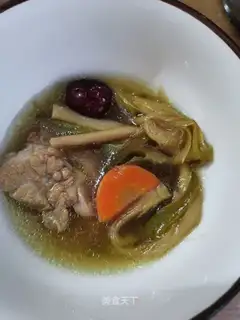
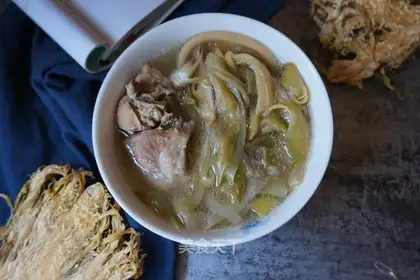
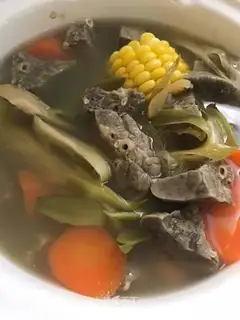
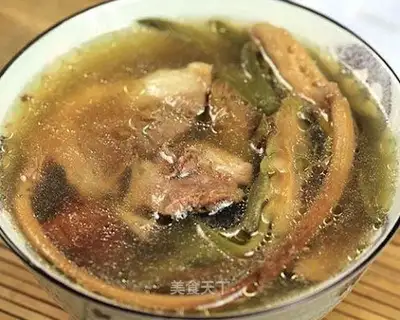
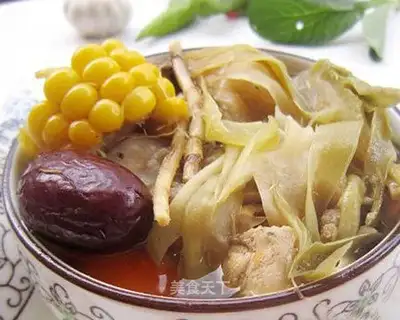
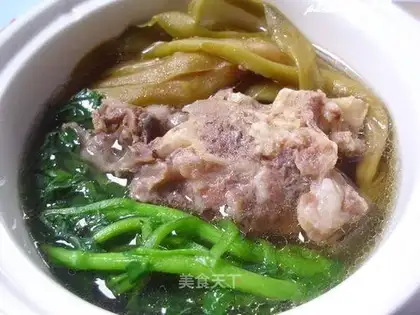
- Sword Flower Soup (剑花汤): A classic TCM remedy, this soup combines dried sword flower with pork ribs, chicken, or dried seafood (like scallops) for a hearty, nutrient-dense broth. The flower’s mild flavor absorbs the richness of the meat, while adding a subtle floral note.
- Desserts: In Hong Kong and Guangdong, sword flower is used to make sweet soups (糖水) like "sword flower and coconut milk soup," which is enjoyed warm or chilled as a dessert. Its natural sweetness reduces the need for added sugar.
- Stir-fries and Salads: Fresh sword flower petals can be stir-fried with vegetables like bell peppers and carrots or added to salads for a crunchy, refreshing texture.
3. Tea and Infusions
Dried sword flower is steeped to make a soothing tea that is believed to detoxify the body and improve respiratory health. The tea has a light, floral taste with a hint of sweetness and can be enjoyed plain or with honey and lemon for added flavor and benefits.
Part 4: Precautions and Potential Side Effects
While sword flower is generally safe for most people, certain precautions should be taken to avoid adverse effects:
1. Allergic Reactions
Individuals with allergies to cacti or other plants in the Apocynaceae family (e.g., oleander) may experience allergic reactions to sword flower, including skin rashes, itching, or respiratory distress. A patch test is recommended before topical use, and those with known allergies should avoid consumption.
2. Pregnancy and Breastfeeding
Pregnant and breastfeeding women should consult a healthcare provider before consuming sword flower, as there is limited research on its safety during these periods. Traditional medicine warns that its mild laxative effects could potentially trigger uterine contractions or affect milk supply.
3. Blood Sugar and Blood Pressure Medications
Sword flower may enhance the effects of diabetes medications due to its potential to lower blood sugar. Individuals taking insulin or oral hypoglycemics should monitor their blood sugar levels closely to avoid hypoglycemia. Similarly, its high potassium content may interact with blood pressure medications (e.g., ACE inhibitors), leading to hyperkalemia (excess potassium in the blood).
4. Gastrointestinal Sensitivity
While sword flower aids digestion, excessive consumption may cause bloating, gas, or diarrhea in sensitive individuals, particularly those with irritable bowel syndrome (IBS). Moderation is key, and it is best to start with small amounts to assess tolerance.
Conclusion
Sword flower (Epiphyllum oxypetalum) is a true botanical marvel, offering a rare combination of aesthetic beauty, nutritional richness, and medicinal potency. From its high fiber and antioxidant content to its ability to support respiratory, digestive, and immune health, this humble cactus has earned its place as a superfood in cultures worldwide. Whether enjoyed as a soothing soup, a refreshing tea, or a vibrant salad ingredient, sword flower provides a delicious way to enhance overall well-being.
However, as with any natural remedy, moderation and awareness of potential risks are essential. By incorporating sword flower into a balanced diet and consulting healthcare professionals when necessary, individuals can harness its benefits while minimizing side effects. As research continues to uncover its full potential, sword flower is poised to become a household name in the world of functional foods—proving that even the most fleeting blooms can leave a lasting impact on health and nutrition.