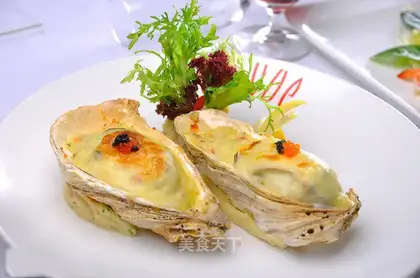
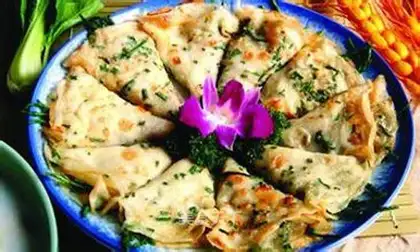
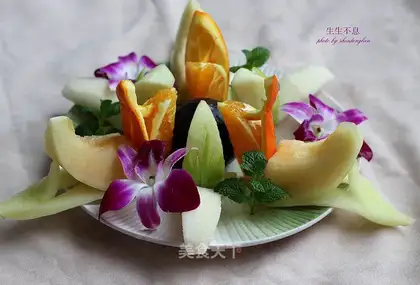
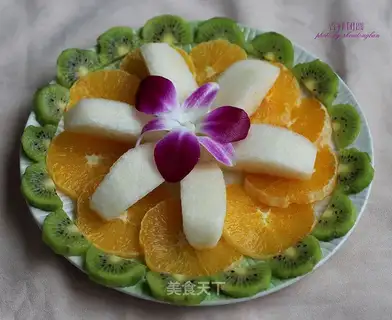
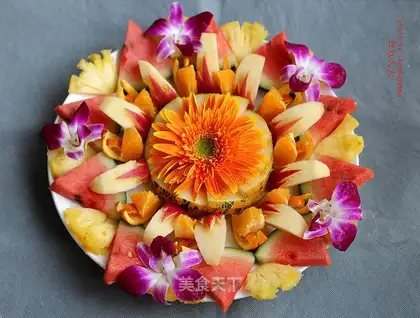
Orchids, with their ethereal beauty and delicate allure, have captivated humanity for centuries as symbols of luxury, love, and refinement. Beyond their ornamental value, these flowering plants hold a lesser-known legacy in culinary traditions across Asia, Europe, and the Americas. Today, as global gastronomy embraces exotic and functional ingredients, orchids are gaining recognition not just for their aesthetic appeal but for their nutritional and therapeutic potential. This article explores the nutritional profile, health benefits, and critical precautions associated with consuming orchids, shedding light on a botanical treasure that bridges nature, culture, and well-being.
I. Nutritional Profile of Edible Orchids
While not all orchids are edible, specific species—such as Dendrobium, Vanilla, and Cymbidium—have been safely consumed for millennia. These varieties offer a unique combination of macronutrients, micronutrients, and bioactive compounds that set them apart from more common culinary ingredients.
Macronutrients and Micronutrients
Edible orchids are low in calories but rich in essential nutrients. For instance, Dendrobium orchid (a staple in traditional Chinese cuisine) contains approximately 20-30 kcal per 100 grams, with negligible fat and minimal protein (1-2g). Its carbohydrate content is primarily composed of dietary fiber (3-5g), which aids digestion.
In terms of micronutrients, orchids are a surprising source of minerals like potassium, calcium, and magnesium. Potassium, crucial for regulating blood pressure and fluid balance, is found in concentrations of 200-300mg per 100g. Calcium (50-80mg) and magnesium (30-50mg) support bone health and enzymatic functions. Additionally, orchids provide trace amounts of iron (0.5-1mg) and zinc (0.2-0.5mg), minerals vital for oxygen transport and immune function.
Bioactive Compounds
The most compelling aspect of orchids’ nutritional value lies in their bioactive compounds, which contribute to both flavor and health benefits. Flavonoids, such as quercetin and kaempferol, are abundant in many edible orchids. These antioxidants combat oxidative stress by neutralizing free radicals, reducing the risk of chronic diseases like heart disease and cancer.
Polysaccharides, another key component, have immunomodulatory effects. Studies on Dendrobium polysaccharides show they can enhance macrophage activity and cytokine production, bolstering the body’s defense against infections. Alkaloids, present in trace amounts in species like Cymbidium, are associated with neuroprotective and anti-inflammatory properties, though their concentrations are too low to exert pharmacological effects in typical culinary use.
Unique Phytochemicals
Orchids also produce specialized phytochemicals that contribute to their distinctive flavor profiles. For example, Vanilla planifolia, the source of vanilla, contains vanillin, a phenolic compound not only responsible for its iconic aroma but also exhibiting antioxidant and antimicrobial properties. Other orchids, such as Oncidium, release volatile compounds like esters and terpenes, which lend subtle floral and fruity notes to dishes.
II. Health Benefits of Consuming Orchids
The consumption of edible orchids is deeply rooted in traditional medicine, particularly in Ayurveda and Traditional Chinese Medicine (TCM). Modern research is now validating many of these age-old claims, revealing orchids as a functional food with multifaceted health benefits.
1. Antioxidant and Anti-Inflammatory Effects
Orchids’ high flavonoid and phenolic content makes them potent antioxidants. These compounds scavenge reactive oxygen species (ROS), preventing cellular damage linked to aging and diseases like Alzheimer’s. A 2020 study in the Journal of Agricultural and Food Chemistry found that extracts from Dendrobium orchid exhibited higher antioxidant activity than blueberries, a renowned superfood.
Chronic inflammation is a driver of conditions such as arthritis, diabetes, and cardiovascular disease. Orchid polysaccharides and alkaloids have been shown to inhibit pro-inflammatory cytokines like TNF-α and IL-6, reducing inflammation markers in animal studies. For example, Dendrobium huoshanense, a species used in TCM, demonstrated significant anti-inflammatory effects in a 2018 rat model of colitis.
2. Immune System Support
Orchids’ immunomodulatory properties stem from their polysaccharides, which act as biological response modifiers. These compounds stimulate dendritic cells and T-lymphocytes, enhancing the body’s ability to recognize and neutralize pathogens. A 2019 study published in Phytomedicine reported that Dendrobium polysaccharides increased antibody production in mice immunized with the flu vaccine, suggesting potential as an adjuvant to immune health.
3. Digestive Health
The dietary fiber in orchids promotes gut health by acting as a prebiotic, nourishing beneficial gut bacteria like Bifidobacterium and Lactobacillus. A healthy microbiome is linked to improved digestion, nutrient absorption, and reduced risk of gastrointestinal disorders. Additionally, orchids contain enzymes like amylase and protease, which aid in breaking down carbohydrates and proteins, alleviating bloating and indigestion.
4. Skin and Anti-Aging Benefits
Orchids’ antioxidant and anti-inflammatory properties extend to skin health. Free radical damage is a primary cause of skin aging, leading to wrinkles and loss of elasticity. Topical applications of orchid extracts have been shown to increase collagen production and protect against UV-induced damage. A 2021 study in Cosmetic Dermatology found that a cream containing Cymbidium extract reduced wrinkle depth by 15% in human subjects after 8 weeks of use.
5. Stress Relief and Adaptogenic Properties
Certain orchids, particularly Dendrobium, are classified as adaptogens—herbs that help the body resist physical, chemical, and biological stress. In TCM, Dendrobium is used to “nourish yin” and “clear heat,” symptoms associated with fatigue and anxiety. Modern research suggests that orchid alkaloids may modulate cortisol levels, the body’s primary stress hormone. A 2022 randomized controlled trial in Evidence-Based Complementary and Alternative Medicine found that participants taking Dendrobium extract reported 30% lower stress scores compared to a placebo.
III. Culinary Uses and Cultural Significance
Orchids are as versatile in the kitchen as they are beneficial for health. Their subtle, floral flavor complements both sweet and savory dishes, making them a favorite among gourmet chefs.
Sweet Dishes
In Southeast Asia, Dendrobium flowers are candied or steeped in syrups to make desserts like orchid jelly and ice cream. Vanilla, derived from Vanilla planifolia orchids, is a cornerstone of global cuisine, used in everything from pastries to beverages. Orchid petals are also used to infuse sugars, liqueurs, and teas, adding an elegant floral note.
Savory Dishes
Chefs in Europe and North America incorporate orchids into salads, soups, and main courses as a garnish or flavor enhancer. For example, Cymbidium petals, with their crisp texture and mild flavor, are added to stir-fries and sushi. Orchid-infused oils and vinegars are used to dress dishes, imparting a subtle aroma without overpowering other ingredients.
Beverages
Orchid tea, made by steeping dried orchids or petals in hot water, is a popular wellness drink in China and Thailand. It is valued for its cooling properties and is often consumed during hot summers to reduce internal “heat.” Vanilla, of course, is the world’s second-most expensive spice after saffron, and orchid-based coffee blends are gaining traction for their unique flavor profile.
IV. Precautions and Potential Risks
While edible orchids offer numerous benefits, their consumption is not without risks. Several factors must be considered to ensure safe and responsible use.
1. Species Identification
The most critical precaution is ensuring the orchid species is edible. Many orchids contain toxic compounds, such as alkaloids and phenols, which can cause nausea, vomiting, or organ damage if ingested. For example, Cypripedium, or lady’s slipper orchids, are toxic and should never be consumed. Only orchids explicitly labeled as edible—such as Dendrobium, Vanilla, or Cymbidium—should be used in cooking.
2. Pesticide and Contamination Risks
Orchids are often grown as ornamental plants and may be treated with pesticides, fungicides, or growth regulators that are harmful if consumed. To minimize risk, always source edible orchids from reputable suppliers who specialize in culinary or organic cultivation. Homegrown orchids, grown without chemicals, are the safest option.
3. Allergic Reactions
Though rare, some individuals may be allergic to orchids. Symptoms can range from mild itching and hives to severe anaphylaxis. Those with known plant allergies should exercise caution and consult a healthcare professional before consuming orchids.
4. Pregnancy and Breastfeeding
Pregnant and breastfeeding women should avoid consuming orchids, as there is insufficient research on their safety during these stages. Traditional use in TCM often warns against certain orchids during pregnancy due to their potential to stimulate uterine contractions.
5. Moderation is Key
Even edible orchids should be consumed in moderation. Excessive intake of orchid polysaccharides may cause digestive discomfort, such as bloating or diarrhea. Similarly, while vanilla is safe in small amounts, large doses of vanillin extract may lead to headaches or dizziness.
V. Conclusion
Orchids are a testament to nature’s duality—combining breathtaking beauty with remarkable nutritional and therapeutic value. From the antioxidant-rich Dendrobium to the aromatic Vanilla, these plants offer a unique blend of flavors and health benefits that have enriched culinary and medicinal traditions for centuries. However, their consumption requires caution: proper species identification, contamination control, and moderation are essential to avoid potential risks.
As modern science continues to uncover the secrets of botanicals, orchids are poised to play a larger role in the future of food and wellness. Whether as a garnish in a gourmet dish or a key ingredient in a wellness tea, orchids invite us to savor not just their flavor, but their legacy as a bridge between nature and nourishment. By embracing both their benefits and their precautions, we can fully appreciate the culinary and health potential of these extraordinary plants.