Taro, coconut juice, sago dew
By AhmadRyan
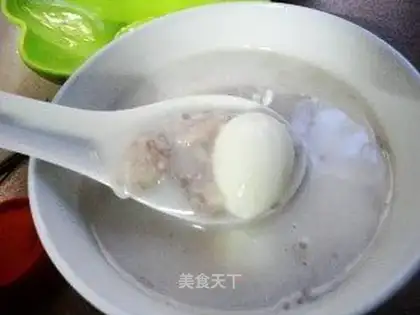
Taro is rich in nutrients, excellent in color, aroma and taste, and was once regarded as the king of vegetables. According to measurements, every 100 grams of fresh taro contains 5.15 grams of protein, 0.28 grams of fat, 12.71 grams of carbohydrates, 170 mg of calcium, and 80 mg of phosphorus. Its protein content is 2.1 times that of yam. Eating it has the effects of dispelling accumulation and regulating qi, detoxifying and nourishing the spleen, clearing heat and relieving cough. There are various cooking methods for taro, such as roasting, frying, or stewing. Use it to stew and roast it with chicken and pork. It tastes fragrant but not greasy, and crispy but not rotten. It has always been a must-have high-quality dish at festivals and festive banquets
Recipe Recommendations
- Taro appropriate amount
- coconut juice appropriate amount
- quail eggs appropriate amount
- sugar appropriate amount
Steps for Taro, coconut juice, sago dew
1
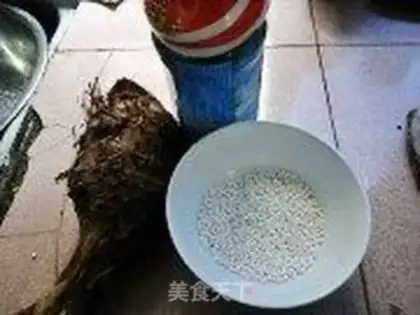
Taro, sago, coconut milk.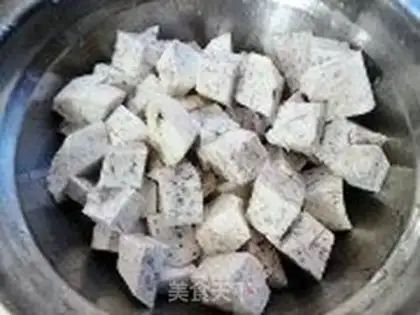
2
Cut the taro into slices.
3
Put the taro and sago together and cook.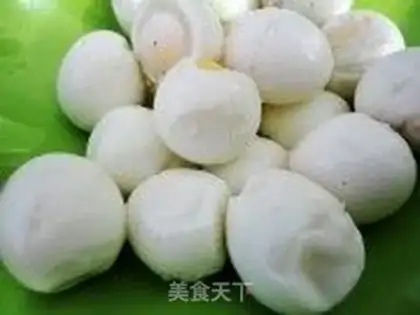
4
Boil the eggs and remove the shells.
5
After the ingredients are cooked, pour the eggs down and add sugar.
6
Pour into a bowl, add coconut juice, and you can eat it.