Rich in nutrients and contains a large amount of starch, minerals and vitamins. It is both a vegetable and a grain. It can be cooked, dried or powdered. Since the starch particles of taro are small, only one-tenth of that of potato starch, its digestibility can reach 98.8%. In terms of taro processing, taro powder and taro paste fillings can be made into for extended storage. Taro can also be used as an ornamental plant similar to vines and evergreen. There are about 100 different types of taro; some are oval shaped like sweet potatoes, while others are mostly round. Taros have fewer strange shapes than other tubers. Taro can grow to 6 feet tall and have broad leaves; however, buds are edible after being scalded in boiling water. However, leaves and buds are of lesser use in Western markets. The tubers are dark brown, the outer skin is circular and quite rough, and there is hair on it. The flesh is white, off-white and purple-gray, and some have pink or brown textures.
I grew this taro myself... Hehe...
Taro chicken wings
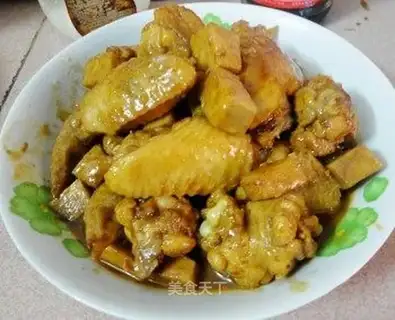
Recipe Recommendations
- chicken wings of 4
- Taro half a
- Jiang appropriate amount
- sauce appropriate amount
- sugar appropriate amount
- salt appropriate amount
- oil appropriate amount
- salty and sweet
- burn
- half an hour
- ordinary
Steps for Taro chicken wings
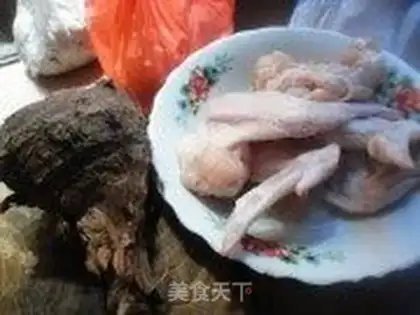
1
Taro, chicken wings.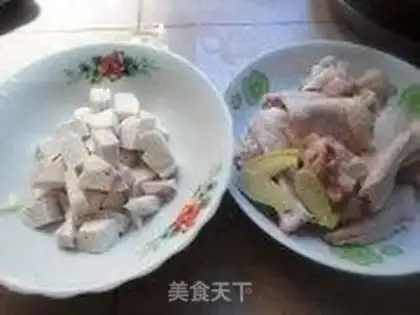
2
Peel the taro and cut it into pieces, chop the chicken wings into pieces, and slice the ginger into slices.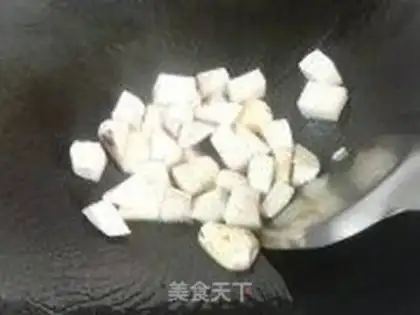
3
First stir-fry the taro pieces with oil to make them change color.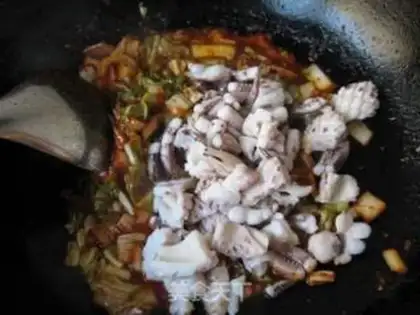
4
Fry the chicken wings with oil, change color, add cooking wine and stir until fragrant.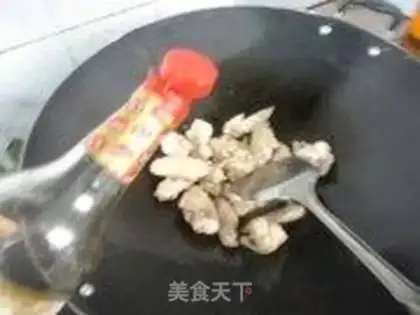
5
Add soy sauce and soy sauce. Season the soy sauce and color the soy sauce.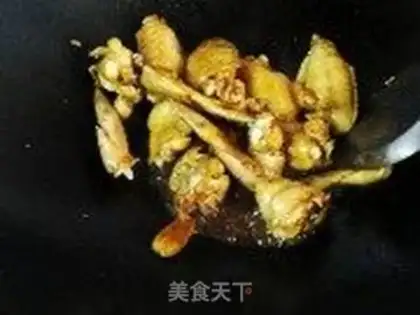
6
Stir fry the chicken wings and color them, add some sugar.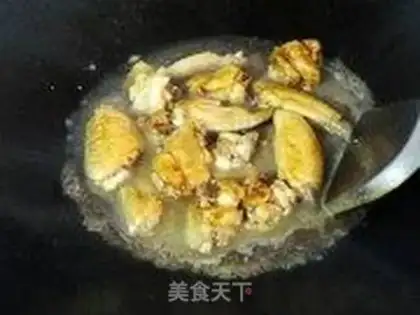
7
Add a certain amount of water.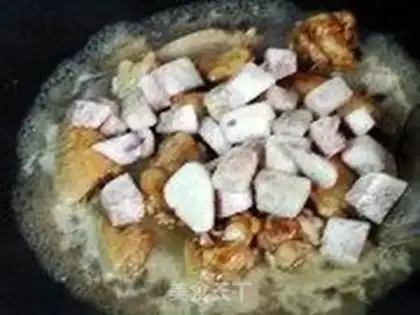
8
After boiling, add taro and simmer together.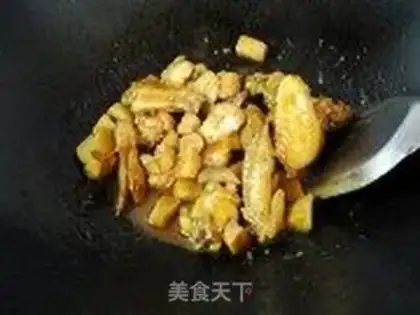
9
Simmer over low heat until the sauce thickens and serve.Taro chicken wings Make Tips
1. Raw taro juice causes skin itching, so wear gloves when cleaning the taro.