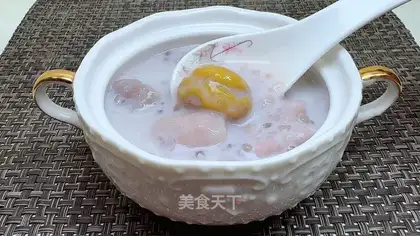
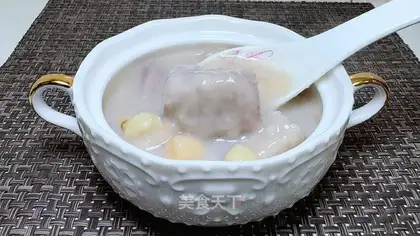
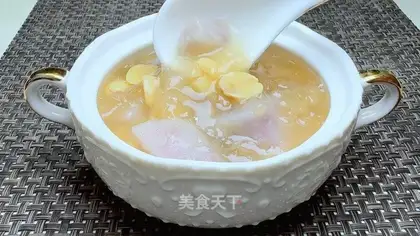
Taro, scientifically known as Colocasia esculenta, is a starchy tuber that has been cultivated for over 7,000 years, originating in the tropical regions of Southeast Asia and later spreading across Africa, the Pacific Islands, and the Caribbean. With its earthy flavor, versatile culinary applications, and impressive nutritional profile, taro has earned a place as a staple food in many cultures. Often referred to as the "potato of the tropics," taro is more than just a filling ingredient—it is a nutritional powerhouse offering numerous health benefits. However, like many foods, it must be prepared and consumed with care to avoid potential risks. This article explores the nutritional value of taro, its health benefits, and the essential precautions to take when enjoying this ancient crop.
Nutritional Value of Taro
Taro’s nutritional composition is a testament to its role as a staple food, providing a balanced mix of macronutrients, vitamins, minerals, and dietary fiber. A 100-gram serving of cooked taro (without salt) contains approximately:
- Carbohydrates: 26.97 grams, primarily in the form of complex carbohydrates, which provide sustained energy. Unlike refined sugars, these carbs are digested slowly, preventing blood sugar spikes.
- Dietary Fiber: 4.07 grams, which supports digestive health by promoting regular bowel movements and feeding beneficial gut bacteria.
- Protein: 1.58 grams, a modest amount but notable for a starchy vegetable, containing essential amino acids like lysine and methionine.
- Fat: 0.17 grams, making it a low-fat option, ideal for heart-healthy diets.
- Vitamins: Taro is rich in vitamin C (a powerful antioxidant, 4.07 mg per 100g), vitamin B6 (important for brain function and metabolism, 0.148 mg), and folate (crucial for cell growth and pregnancy, 14.2 mcg). It also provides small amounts of vitamin E, thiamin, and riboflavin.
- Minerals: Taro excels in mineral content, particularly potassium (578 mg per 100g), which helps regulate blood pressure and fluid balance. It also contains manganese (0.397 mg) for bone health and antioxidant defense, magnesium (33 mg) for muscle function, and copper (0.262 mg) for iron metabolism. Additionally, taro provides iron (0.56 mg), essential for preventing anemia, and calcium (16 mg) for bone strength.
What sets taro apart from other tubers is its high fiber content and low glycemic index (GI), making it a suitable choice for people managing diabetes or aiming for stable blood sugar levels. The presence of resistant starch in cooked taro further enhances its benefits, as it acts as a prebiotic, nourishing gut microbiota.
Health Benefits of Taro
The combination of taro’s nutrients translates to a range of health benefits, from improved digestion to enhanced immune function. Here are some of the most notable advantages:
1. Supports Digestive Health
Taro’s high fiber content is a cornerstone of its digestive benefits. Fiber adds bulk to stool, preventing constipation and promoting regularity. Moreover, the resistant starch in taro ferments in the colon, producing short-chain fatty acids (SCFAs) like butyrate, which reduce inflammation in the gut and support the growth of beneficial bacteria. A healthy gut microbiome is linked to better immunity, mood regulation, and even a lower risk of chronic diseases.
2. Regulates Blood Sugar Levels
With a glycemic index of around 50 (cooked), taro is considered a low-GI food, meaning it causes a gradual rise in blood sugar rather than a sharp spike. This is particularly beneficial for individuals with diabetes or insulin resistance. The fiber and complex carbohydrates in taro slow down digestion, preventing rapid glucose absorption. Studies suggest that replacing high-GI foods like white rice with low-GI alternatives like taro can improve long-term blood sugar control.
3. Boosts Heart Health
Taro’s heart-healthy profile stems from its nutrient density. Potassium, in particular, plays a key role in regulating blood pressure by balancing sodium levels in the body. High potassium intake is associated with a reduced risk of stroke and heart disease. Additionally, taro’s low fat content and absence of cholesterol make it a heart-smarter choice than fatty animal products. The fiber in taro also helps lower LDL ("bad") cholesterol by binding to it in the digestive system and removing it from the body.
4. Strengthens Immune Function
Vitamin C, present in taro, is a potent antioxidant that protects cells from damage caused by free radicals—unstable molecules that contribute to aging and chronic diseases. Vitamin C also stimulates the production of white blood cells, which are essential for fighting infections. Taro’s other antioxidants, such as flavonoids and phenolic compounds, further enhance its immune-boosting properties by reducing inflammation and oxidative stress.
5. Promotes Skin and Hair Health
The combination of vitamin E, vitamin C, and manganese in taro supports skin health by promoting collagen production (a protein that keeps skin firm and elastic) and protecting against UV damage. Vitamin E, a fat-soluble antioxidant, also moisturizes the skin and reduces the appearance of scars. For hair, taro’s iron content ensures adequate oxygen supply to hair follicles, while copper aids in melanin production, preventing premature graying.
6. Supports Weight Management
Taro’s high fiber and water content make it a filling food that can aid in weight management. Fiber slows gastric emptying, keeping you feeling full longer and reducing overall calorie intake. Additionally, taro’s low calorie density (around 112 calories per 100g cooked) allows for larger portion sizes without excessive calorie consumption, making it a satisfying addition to weight loss diets.
Culinary Versatility of Taro
Beyond its health benefits, taro is celebrated for its culinary adaptability. In many cultures, it is used in both sweet and savory dishes:
- In Asia: Taro is often steamed, boiled, or mashed and used in soups (e.g., taro soup in Chinese cuisine), stir-fries, or as a filling for dim sum (e.g., taro dumplings). In Japan, imo (Japanese taro) is used in tempura or simmered dishes.
- In the Caribbean and Africa: Taro is commonly boiled and served as a side dish, similar to potatoes, or ground into flour to make bread and porridge.
- In Desserts: Taro’s mild, nutty flavor makes it ideal for sweet treats. In bubble tea, taro milk tea (a purple-hued drink) is a global favorite. In Western cuisine, taro is used to make ice cream, cakes, and pies, often flavored with coconut or vanilla.
The versatility of taro lies in its ability to absorb flavors while retaining its unique texture—creamy when cooked, slightly nutty, and with a hint of sweetness.
食用禁忌 (Precautions and Potential Risks)
While taro is highly nutritious, improper preparation can lead to health issues. The following precautions are essential to enjoy taro safely:
1. Raw Taro Contains Toxic Compounds
Raw taro contains calcium oxalate crystals and protease inhibitors, which can cause irritation to the mouth, throat, and digestive tract. Calcium oxalate, also found in rhubarb and spinach, forms needle-like crystals that can lead to:
- Oral Irritation: Burning sensation, swelling, or difficulty swallowing.
- Digestive Distress: Nausea, vomiting, or diarrhea.
To neutralize these compounds, taro must be cooked thoroughly. Boiling, steaming, or baking at high temperatures breaks down calcium oxalate and inactivates protease inhibitors, making taro safe to eat.
2. Cooking Methods Matter
Avoid frying taro at high temperatures without proper pre-cooking, as this may not fully eliminate toxins. Always cook taro until it is soft and mushy. For example, in traditional Hawaiian cuisine, taro is pounded into poi and fermented, a process that also reduces toxicity.
3. Oxalate Content and Kidney Stones
Even cooked taro contains oxalates, which can contribute to kidney stone formation in susceptible individuals. People with a history of calcium oxalate kidney stones should limit their taro intake and consult a healthcare provider. Cooking taro with calcium-rich foods (e.g., dairy) can help bind oxalates and reduce absorption.
4. Allergic Reactions
Although rare, some individuals may be allergic to taro, experiencing symptoms like itching, hives, or difficulty breathing. Those with known allergies to other tubers (e.g., potatoes or sweet potatoes) should exercise caution when trying taro for the first time.
5. Proper Storage
Store raw taro in a cool, dark, dry place (e.g., a pantry) for up to two weeks. Cooked taro should be refrigerated and consumed within 3–4 days to prevent bacterial growth. Avoid freezing raw taro, as the texture may become mushy upon thawing.
Conclusion
Taro is a nutritional and culinary treasure, offering a wealth of health benefits from improved digestion to heart health. Its versatility in dishes—from savory stews to sweet desserts—makes it a beloved ingredient worldwide. However, its toxic raw form underscores the importance of proper preparation. By cooking taro thoroughly and moderating intake for those with kidney concerns, anyone can safely enjoy this ancient superfood.
As modern nutrition science continues to uncover the secrets of traditional foods, taro stands out as a shining example of how humble ingredients can pack a powerful punch of nutrients. Whether you’re savoring a bowl of taro soup, a slice of taro cake, or a glass of taro bubble tea, you’re not just indulging in a delicious meal—you’re nourishing your body with a food that has sustained civilizations for millennia. In a world of processed foods, taro reminds us of the simple, wholesome power of nature’s bounty.