Korean cabbage
By VicentaLakin
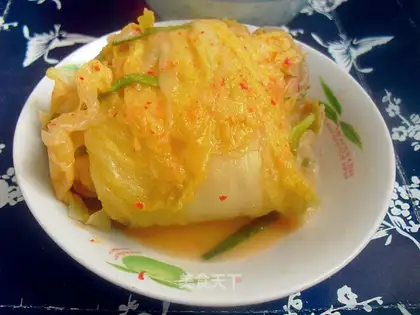
The real Korean pickles are known as the “nature made out of mother's love” and the older the years, the more the smell becomes so that the Koreans call it the taste of pickles. Since I've had pickled pickles, every winter I pick up a couple of hot Korean cabbages, which are both raw and ripe, and whose sour and spicy tastes are so popular that they really taste good things that know no boundaries
Recipe Recommendations
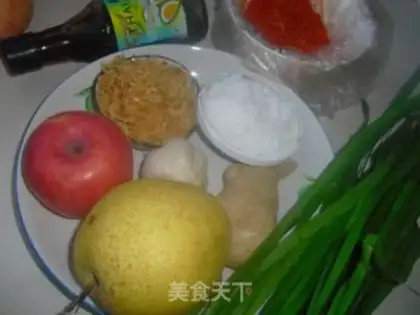
- Chinese cabbage 2 trees
- leek a small handful
- shrimp skin appropriate amount
- pear one
- Apple one
- glutinous rice flour appropriate amount
- chili noodles appropriate amount
- Jiang appropriate amount
- salt appropriate amount
- garlic a
- white sugar 2 spoons
- fish sauce three scoops
- slightly spicy
- pickled
- several days
- simple
Steps for Korean cabbage
1
Preparation material。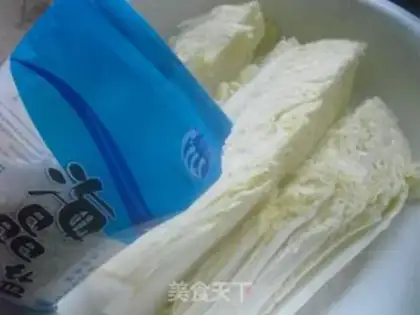
2
The large cabbage was washed and cut from its roots to four and a half. Put the salt on the cabbage and make it all night。
3
Squeeze the cabbage through the water, wash the extra salt and squeeze the water back. After the water, taste the brackishness of the food, and if you feel salty, you can use the blisters to remove the salt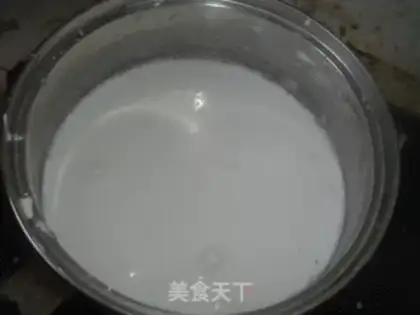
4
The rice powder is 50 grams mixed with 450 grams of clean water and the small fire boils into slurry。
5
Apples, pears cut to shreds; garlic, ginger cut to shreds; all materials put into a mixer and made mud; herbs washed cleanly。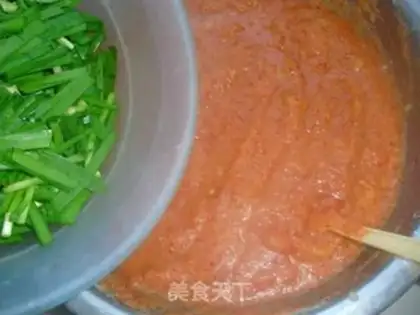
6
The paprika face is mixed with fruit mud, cold rice paste, fish truffles, shrimp sauce, sugar, salt and pickles。
7
Put on one-time gloves and evenly put chili sauce on the cabbage. (By root, the cabbage will pass. And then roll it up。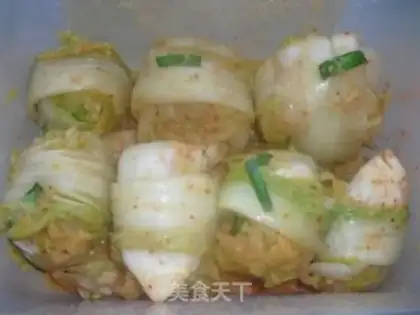
8
After they have all been wiped out, they are released in clean containers。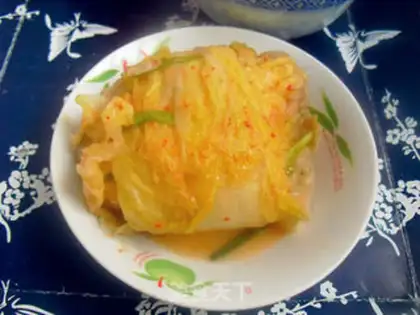
9
After one day of fermentation, five to seven days of fermentation in the freezer。Korean cabbage Make Tips
1. Chinese chives can accelerate the fermentation of kimchi and enhance its aroma.
2. Glutinous rice flour paste makes it easier for the cabbage to hold the coating, provides a sticky texture, and results in a better flavor after fermentation. When cooking, mix the paste with cold water and stir constantly to prevent it from sticking to the bottom.
3. Fish sauce is available in large supermarkets and ensures the authentic flavor of kimchi; it is recommended as an essential ingredient. However, if you truly cannot find it, you may omit it.
4. After rinsing the pickled cabbage, taste it to determine the saltiness, and then decide on the amount of salt to add later based on the taste.