Wine brew, also known as sweet wine, is the product of glutinous rice fermentation by Rhizopus (and a small amount of Mucor and yeast). After brewing, glutinous rice is more easily absorbed by the human body. It is a good product for middle-aged and elderly people, pregnant women and the frail. It contains a large number of fungi that are beneficial to the human body. It can refresh and relieve fatigue, quench thirst and cool off heat, and promote blood circulation and moisturizing effects. (The above text is taken from the Internet)
There are many benefits to making wine, but the ingredients used are very simple: glutinous rice, sweet wine powder, and water. Making it at home isn't too difficult.
sweet wine
By JessHamill
Recipe Recommendations
- glutinous rice One catty
- cold boiled water one-pot
- sweet and sour
- steamed
- several days
- senior
Steps for sweet wine
1
Rinse the glutinous rice repeatedly until the rice washing water becomes clear, and soak for 12 hours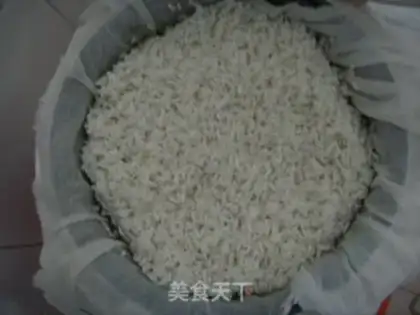
2
Place the soaked glutinous rice on a steaming grid covered with gauze and steam on high heat for about 30 minutes until the rice is ripe and no longer littered.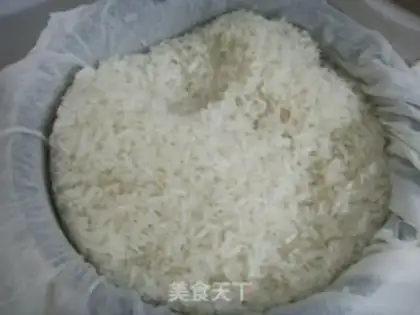
3
The rice must be steamed thoroughly and chewy, but not too cooked.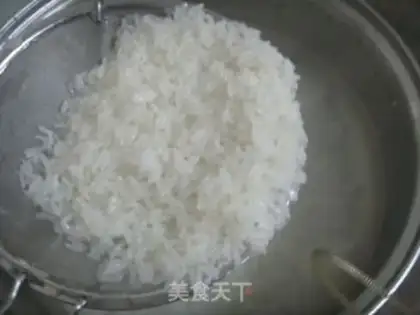
4
Put the steamed glutinous rice in cold boiling water and beat it up immediately.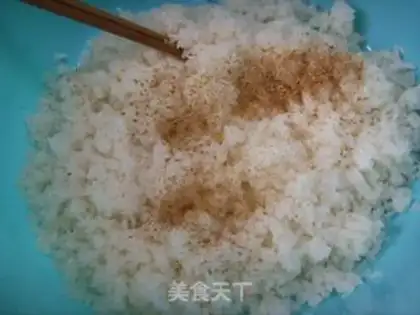
5
Sprinkle the sweet wine powder directly into the picked rice and mix well.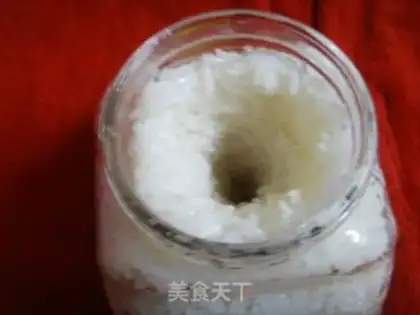
6
Put the mixed rice into a glass bottle and make a small hole in the middle.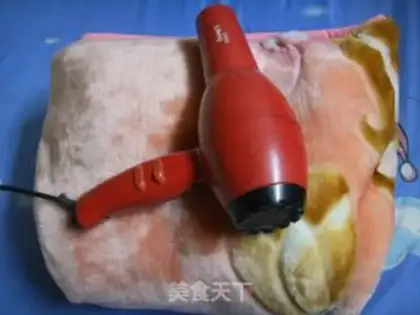
7
After closing the lid, wrap the bottle with a small blanket (blown hot with a hair dryer beforehand) and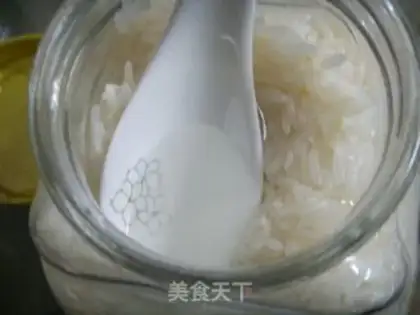
8
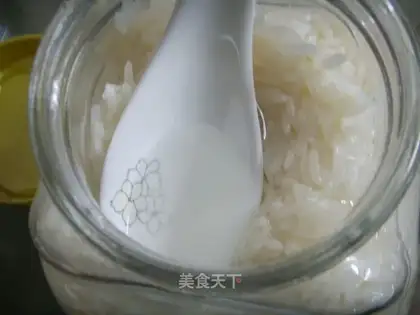
2-3 After a day, you can smell the aroma of wine when you open the lid. Gently press it with a spoon, and a lot of wine juice will come out.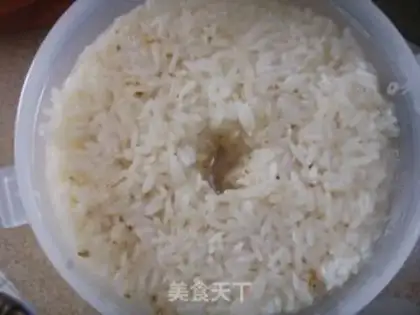
9
A good wine should have a strong aroma, clear juice, and sweet as honey. The rice grains are not medium raw, become hollow, and taste like a little dregs. The rice grains are distinct, but the group is not loose.sweet wine Make Tips
1) All utensils and hands that come into contact with the mixture during the process of making rice wine must be kept free of oil and water.
2) When mixing the wine yeast, it is best to wait until the rice has cooled to around 30°C. If the temperature is too high, it will kill the yeast; if too low, it will affect fermentation. In winter, it should be lukewarm to the touch; in summer, it should just feel slightly warm.
3) If rinsing the rice with cooled boiled water, you must work quickly to avoid letting the rice soak in the water for too long. (In winter, do not use water that has completely cooled down, to prevent the rice temperature from dropping too low after rinsing, which would affect fermentation.)
4) It is best to maintain a temperature of around 25-30°C during the fermentation process. In summer, the container holding the rice can simply be placed in a dark place without wrapping. In winter, pack the rice mixed with wine yeast into a container immediately and wrap it with thick clothing or a blanket. Alternatively, you can wrap a hot water bottle filled with warm water around the container, or frequently heat the area around the container with a hairdryer.
5) After fermenting for 12-24 hours, if the rice has not gone bad but the wine taste is very faint, you can perform a secondary fermentation. Heat water in a pot until it is lukewarm, place the container of rice into the warm water, and close the lid. Once the water cools, reheat it. Repeat this process three times, then wrap the container in thick clothing while it is still warm.
6) The finished rice wine is best consumed within 3 days (when the sweetness is at its peak); if left for too long, the wine flavor becomes stronger while the sweetness decreases. Alternatively, storing it in the refrigerator will preserve it for a longer period.
7) The glutinous rice should ideally be soaked for more than 12 hours; properly soaked rice grains should crumble easily when pinched gently. If the rice is not soaked thoroughly, it will affect the alcohol yield. If you wish to learn more about the fermentation process of rice wine, you can click on the previous article for more illustrated steps. http://home.meishichina.com/space-23642-do-blog-id-103462.html