Classic Hawaiian pizza
By VicentaLakin

Pineapple is a tropical fruit, but it is also a common fresh fruit in the spring and summer of the North. The Hawaiian pizzeria with fresh pineapple and ham for the pie are some Western food, pizza shops, and it's not hard to make it at home. I just never figured out why this pizza was called Hawaii, probably because of the use of pineapple。
Recipe Recommendations
- high-gluten flour 250g
- olive oil 15g
- Rapid yeast powder 3g
- warm water 140ml
- whole egg one
- salt 3g
- ketchup 1 bag
- Masson cheese powder 80g
- garlic 2 cloves
- white onions half a
- Italian comprehensive spices 1 tablespoon
- fresh pineapple 100g
- ham 50g
- pea 15g
- green pepper 15g
- mozzarella cheese 100g
- salty and fresh
- roast
- an hour
- simple
Steps for Classic Hawaiian pizza
1
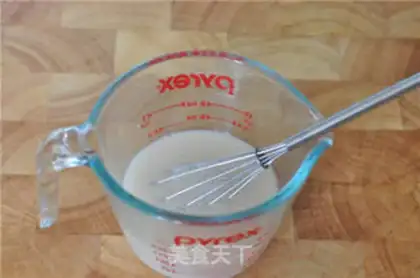
Preparation of pieskin: melt yeast powder with hot water and mix evenly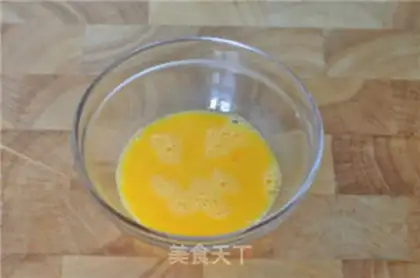
2
(b) Eggs to be dispersed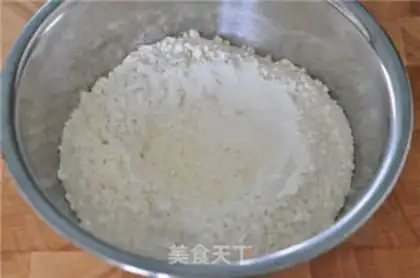
3
(b) the high-banded flour and salt 3g are mixed into a large bowl, with an opening in the middle and a yeast powder distributed around it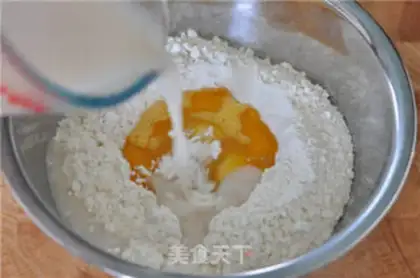
4
add eggs, olive oil, 15 g and yeast, in turn, and make noodles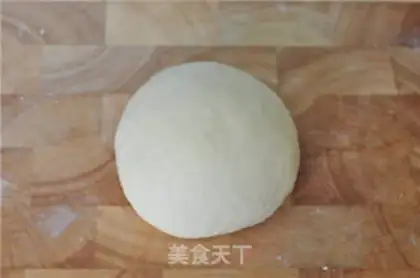
5
(b) Spraying the case with thin powder and rubbing the face of the dough to a smooth and spasm (basically extended phase)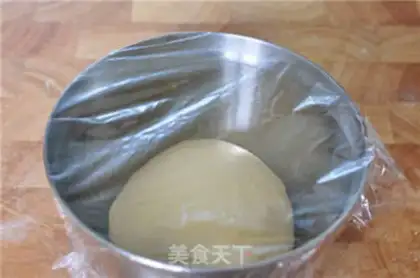
6
(b) In large bowls with a layer of olive oil (out of weight) covered with protective film and room temperature fermentation for 30 minutes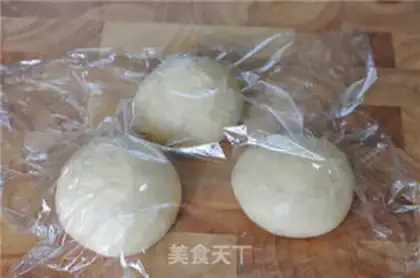
7
(a) Split the noodles into three circles, rolling round and covering them with laxity for 15 minutes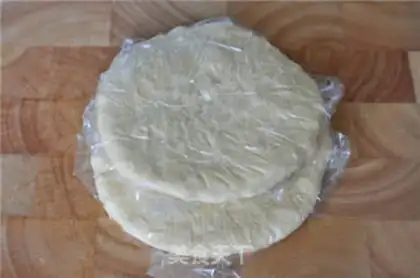
8
Two of them are packed with a membrane and stored in the freezer, and the next time they are used, the next steps can be taken. Three pizzas at a time, of course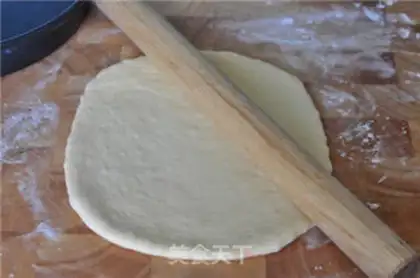
9
The rest of the dough is in the form of a tortilla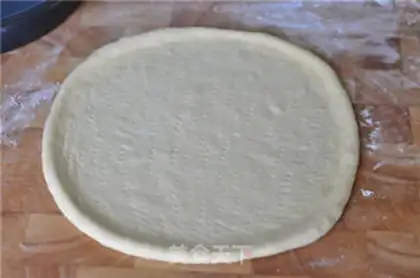
10
Put out the thicker surroundings with your hands and stick your eyes at the bottom of the pie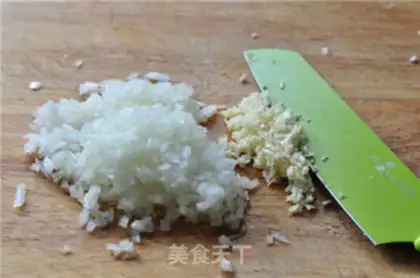
11
(b) Pizza sauce when fermented noodles are made or prepared in advance: onions and garlic cut to the end, spare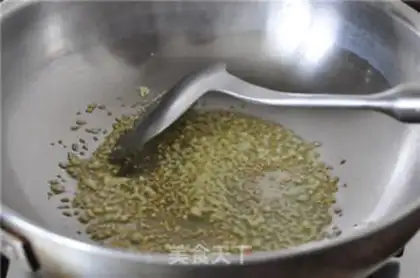
12
(a) A frying pan, a hot boiler, and a little platinum to the scent of garlic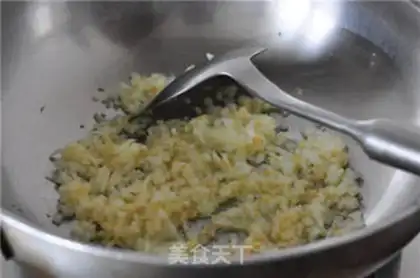
13
(b) Add onions and continue to make onions transparent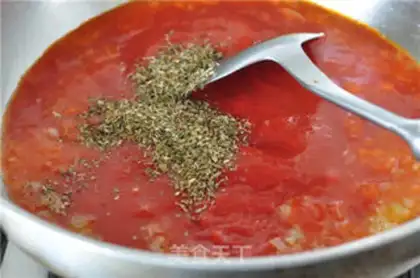
14
Add ketchup and a spoonful of cosmopolitan spices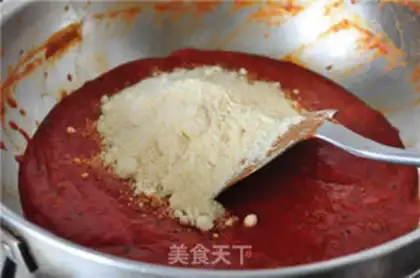
15
Joined the Palmerson cheese powder and evened it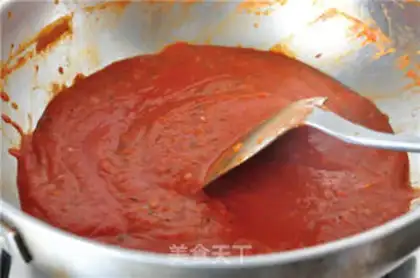
16
(a) Turning into fire, turning over while heated, collecting a little thick, almost 2/3 of the original soup juice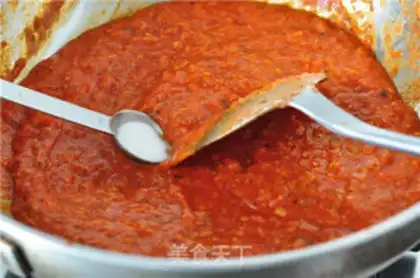
17
Add the right amount of salt to the taste, that's all。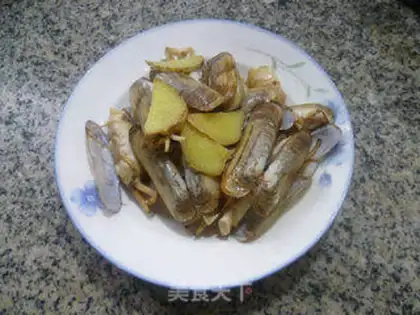
18
(a) Preparation of other materials for the fermentation of the noodles: Masurira cheeses wiring (if they are filamental); pineapple slices; ham slices; green peppers cut into small particles of the size of peas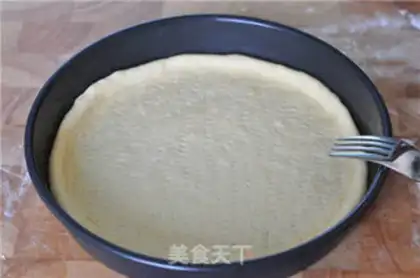
19
(b) To take well-prepared pie peels and put them in a pizza plate with a pre-painted layer of olive oil (out of weight) and to re-form them into a slightly thick bottom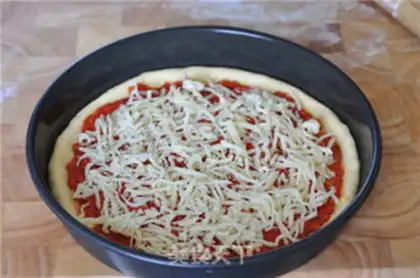
20
The two spoonfuls of pasta sauce were evenly covered, and two thirds of the cheese was spread evenly, and the oven was preheated at 200 degrees and baked for six minutes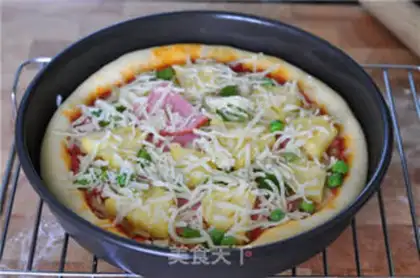
21
In turn, the ham, pineapple, the rest of the cheese, the peas and peppers, and then into the oven, where the temperature is 8 to 10 minutes and the surface cheese melts。Classic Hawaiian pizza Make Tips
1. For this pizza, I used a thick crust. The texture is crispy on the outside, tender on the inside, fluffy, and soft. Regarding the mixing and fermentation of the crust: for mixing, you only need to reach basic expansion—meaning the surface is smooth, and when you stretch the dough, it hangs down without breaking easily; as for fermentation, if you use warm water to dissolve the yeast to knead the dough, the dough only needs to ferment at room temperature for 30 minutes. If the mixing and fermentation are excessive, the crust will become too soft, which will actually affect the texture—this point is different from making bread.
2. Although high-quality pizza uses fresh crust, making just one crust at a time is too difficult to handle, and it is hard to control the quantity of ingredients, so I knead 250g of flour at once to make three crusts. Freeze the leftovers for later use; use them as soon as possible, and the taste is still quite good. When using the frozen dough, thaw it at room temperature in advance, and you can directly press it into a pizza crust.
3. The water-to-flour ratio for pizza dough is also different from that of bread dough, and the requirements are not too strict. If there is too much water, add flour; if there is too much flour, add water. As long as it is not too outrageous and the ratio with the yeast powder is about right, there will be no major issue if the dough's softness and hardness are roughly similar to an earlobe.
4. There are various ways to bake pizza. The most common method is to arrange the sauce, toppings, and cheese on the crust and bake it directly in a high-temperature oven; a 9-inch pizza takes about 15 to 20 minutes. There is also the method of baking the crust for 5 or 6 minutes first before spreading the sauce and arranging the toppings. My method is to spread the sauce and part of the cheese on the crust first, bake for 5 or 6 minutes, then arrange the other toppings and the remaining cheese, and continue baking until the cheese melts or browns slightly. The advantage of doing this is that the toppings integrate better with the sauce and cheese, resulting in a richer taste.
5. Pizza is generally baked at high temperatures, above 200 degrees Celsius, using high heat for a short time. Adjust the baking temperature and time according to your own oven's "temperament."