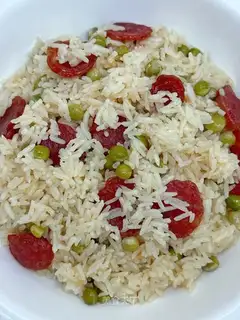
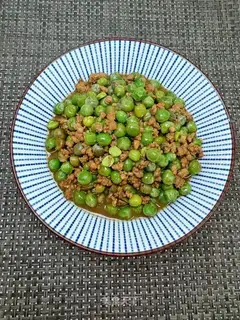
The pea, a small, green legume often overlooked in the shadow of more exotic superfoods, is a nutritional giant packed with essential vitamins, minerals, and bioactive compounds. For centuries, this unassuming vegetable has been a staple in diets worldwide, valued for its versatility, affordability, and health-promoting properties. From ancient civilizations to modern culinary trends, the pea has proven its worth as a cornerstone of balanced nutrition. This article explores the nutritional profile of peas, their diverse health benefits, and important considerations for consumption to maximize their potential while minimizing risks.
I. Nutritional Profile: Why Peas Are a Nutrient-Dense Food
Peas, scientifically known as Pisum sativum, belong to the legume family and are celebrated for their impressive nutrient density. Whether consumed fresh, frozen, or dried, peas offer a rich array of macronutrients, micronutrients, and dietary fiber, making them an ideal addition to a healthy diet.
A. Macronutrients: Balanced Energy and Satiety
Peas are a good source of plant-based protein, containing approximately 5–10 grams of protein per cooked cup (160 grams). This protein includes all essential amino acids, though in slightly lower amounts of methionine and cysteine compared to animal proteins. For vegetarians, vegans, and individuals looking to reduce meat consumption, peas serve as a valuable protein source that supports muscle maintenance, tissue repair, and enzyme production.
Carbohydrates in peas are complex, providing sustained energy due to their high fiber content (around 8–9 grams per cup). This fiber slows digestion, preventing blood sugar spikes and promoting long-lasting satiety—key factors in weight management and diabetes control. Peas also contain minimal fat (less than 1 gram per cup), with the majority being heart-healthy unsaturated fats, including alpha-linolenic acid (ALA), a plant-based omega-3 fatty acid.
B. Micronutrients: Vitamins and Minerals for Vitality
Peas are a treasure trove of essential vitamins and minerals that support overall health:
- Vitamin K: Critical for blood clotting and bone health, one cup of cooked peas provides over 35% of the daily recommended intake (DRI).
- Vitamin C: A powerful antioxidant that boosts immune function, aids collagen synthesis, and enhances iron absorption. Peas offer around 10–15 mg of vitamin C per cup.
- Folate (Vitamin B9): Essential for DNA synthesis, cell division, and fetal development, making peas particularly important during pregnancy. One cup provides approximately 100 micrograms of folate, or 25% of the DRI.
- Vitamin A: In the form of beta-carotene, which supports vision, immune health, and skin integrity. Green peas are also a source of lutein and zeaxanthin, antioxidants that protect against age-related macular degeneration.
- Minerals: Peas are rich in iron (crucial for oxygen transport), magnesium (for muscle and nerve function), potassium (for blood pressure regulation), and manganese (for bone health and metabolism). A single cup of cooked peas provides around 20–30% of the DRI for iron and magnesium.
C. Bioactive Compounds: Antioxidants and Anti-Inflammatory Agents
Beyond macronutrients and micronutrients, peas contain unique bioactive compounds that contribute to their health benefits:
- Polyphenols: Including coumestrol, flavonoids, and tannins, which have potent antioxidant and anti-inflammatory properties. These compounds help neutralize free radicals, reducing oxidative stress linked to chronic diseases like cancer and heart disease.
- Saponins: Plant compounds that may help lower cholesterol and support immune function.
- Dietary Fiber: Both soluble and insoluble fiber promote gut health by feeding beneficial gut bacteria, improving bowel regularity, and reducing the risk of diverticulitis.
II. Health Benefits: How Peas Support Overall Well-being
The combination of nutrients and bioactive compounds in peas translates to a wide range of health benefits, from chronic disease prevention to digestive health support.
A. Supports Heart Health
Peas are a heart-healthy food due to their high fiber, potassium, and antioxidant content. Soluble fiber binds to cholesterol in the digestive system, reducing its absorption and lowering LDL (“bad”) cholesterol levels. Potassium, on the other hand, counteracts the effects of sodium by relaxing blood vessels and reducing blood pressure. Studies have shown that regular legume consumption, including peas, is associated with a 10–15% lower risk of cardiovascular disease. Additionally, the polyphenols in peas inhibit inflammation in blood vessels, preventing the formation of arterial plaques.
B. Aids in Weight Management
Low in calories and high in fiber and protein, peas are an excellent food for weight control. Fiber adds bulk to meals without adding calories, promoting feelings of fullness and reducing overall calorie intake. Protein, meanwhile, has a higher thermic effect (meaning the body burns more calories digesting it) and helps preserve muscle mass during weight loss. A 2019 study published in Obesity found that participants who included peas in their diet experienced greater satiety and reduced snacking compared to those who did not.
C. Regulates Blood Sugar Levels
Peas have a low glycemic index (GI) of around 51, meaning they cause a gradual rise in blood sugar rather than a spike. This is due to their high fiber and protein content, which slows carbohydrate digestion. For individuals with diabetes or insulin resistance, incorporating peas into meals can help improve blood sugar control. A 2020 study in The American Journal of Clinical Nutrition found that replacing high-GI foods with peas and other legumes reduced HbA1c levels (a marker of long-term blood sugar control) by 0.5% in diabetic patients.
D. Promotes Digestive Health
The fiber in peas acts as a prebiotic, feeding beneficial gut bacteria like Bifidobacterium and Lactobacillus, which are essential for a healthy gut microbiome. A balanced microbiome improves digestion, enhances immune function, and may even reduce the risk of colorectal cancer. Insoluble fiber adds bulk to stool, preventing constipation, while soluble fiber soothes the digestive tract and may alleviate symptoms of irritable bowel syndrome (IBS).
E. Enhances Immune Function
Peas are a good source of vitamin C, zinc, and antioxidants, all of which play key roles in immune health. Vitamin C stimulates the production of white blood cells, while zinc supports their development and function. Antioxidants like polyphenols protect immune cells from oxidative damage, ensuring they can effectively fight infections. Research suggests that regular consumption of vitamin C-rich foods like peas may reduce the duration and severity of colds.
F. Supports Bone Health
Peas are rich in vitamin K, calcium, magnesium, and manganese—all nutrients vital for maintaining strong bones. Vitamin K activates proteins that bind calcium to bones, while calcium and magnesium provide structural support. A 2018 study in Journal of Bone and Mineral Research found that postmenopausal women with higher vitamin K intake had a lower risk of fractures. For individuals who cannot consume dairy products, peas offer a plant-based source of bone-building nutrients.
G. May Reduce the Risk of Chronic Diseases
The antioxidants and anti-inflammatory compounds in peas help protect against chronic diseases by neutralizing free radicals and reducing inflammation. Studies have linked regular pea consumption to a lower risk of:
- Cancer: Polyphenols like coumestrol inhibit the growth of cancer cells, particularly in the colon and breast.
- Neurodegenerative diseases: Lutein and zeaxanthin in peas protect brain cells from oxidative stress, potentially reducing the risk of Alzheimer’s and Parkinson’s.
- Anemia: The iron and vitamin C in peas work together to increase iron absorption, making them beneficial for individuals with iron-deficiency anemia.
III.食用禁忌 (Precautions and Potential Risks)
While peas are generally safe for most people, certain precautions should be taken to avoid adverse effects, particularly for individuals with specific health conditions.
A. Purines and Gout
Peas contain moderate levels of purines, natural compounds that break down into uric acid. In individuals with gout or a history of kidney stones, high uric acid levels can trigger painful flare-ups. While peas are not as purine-rich as organ meats or certain seafood, moderation is advised for those with gout. The Arthritis Foundation recommends limiting legume intake to 1–2 servings per week during flare-ups.
B. FODMAPs and Digestive Sensitivity
Peas contain FODMAPs (fermentable oligosaccharides, disaccharides, monosaccharides, and polyols), specifically fructans and galactans, which can cause digestive discomfort in individuals with irritable bowel syndrome (IBS) or small intestinal bacterial overgrowth (SIBO). Symptoms may include bloating, gas, and diarrhea. For sensitive individuals, limiting pea intake or choosing low-FODMAP alternatives like green beans may be necessary.
C. Sodium Content in Canned Peas
Fresh and frozen peas are naturally low in sodium, but canned peas often contain added salt as a preservative. A single cup of canned peas can have over 500 mg of sodium, exceeding 20% of the daily recommended limit (2,300 mg). To reduce sodium intake, choose no-salt-added canned peas or rinse canned peas thoroughly before consumption.
D. Allergic Reactions
While rare, pea allergies can occur, particularly in children with legume allergies. Symptoms may range from mild (hives, itching) to severe (anaphylaxis). Individuals with a known allergy to peanuts or other legumes should exercise caution and consult a healthcare provider before consuming peas.
E. Interference with Medications
Peas are high in vitamin K, which plays a role in blood clotting. Individuals taking blood-thinning medications like warfarin (Coumadin) must maintain consistent vitamin K intake to avoid interactions. Sudden increases or decreases in vitamin K consumption can affect the medication’s efficacy. Such individuals should consult their doctor or a registered dietitian to determine safe pea consumption levels.
IV. Conclusion
The pea, with its humble origins and unassuming appearance, is a nutritional powerhouse that offers a multitude of health benefits. From supporting heart health and weight management to boosting immunity and promoting digestive wellness, peas are a versatile and accessible food that can enhance any diet. While precautions exist for individuals with gout, IBS, or medication interactions, these can be easily managed with mindful consumption.
In a world where superfoods often steal the spotlight, the pea reminds us that true nutrition lies in simple, whole foods. By incorporating peas into meals—whether in salads, soups, stir-fries, or as a side dish—we can harness their remarkable health potential while enjoying their delicious, earthy flavor. As research continues to uncover new benefits of this legume, one thing is clear: the pea is far more than just a side dish—it is a cornerstone of a healthy, vibrant life.