Autumn and winter are the best seasons to eat taro. At this time, the taro is sweet and fluffy. Whether it is served in vegetables or made snacks, it is very delicious. Moreover, taro is rich in nutritional value. As an alkaline food, it can neutralize acidic substances accumulated in the body, adjust the body's acid-base balance, and produce the effects of beautifying and beautifying hair and blackening hair.
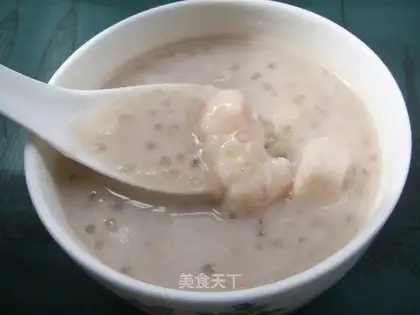
Traditional Chinese medicine believes that taro has the effects of stimulating appetite and promoting fluid, relieving inflammation and relieving pain, replenishing qi and kidney, and is an ideal ingredient for autumn tonic. Today, taro and sago were used to make a very common and famous dessert in Guangdong: taro sago. Drinking such a sweet and smooth dessert in the cold weather is also a very warm and comfortable thing.
taro sago
By JeromyHand
- sweetening
- cook
- half an hour
- simple
Steps for taro sago
1
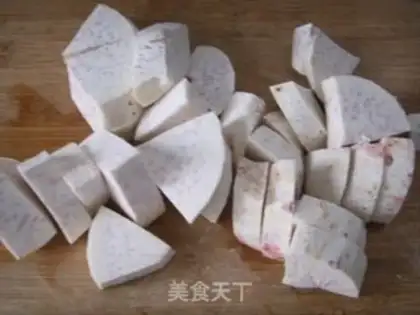
Half taro (about 500 grams), 100 grams of sago, and appropriate amount of sugar.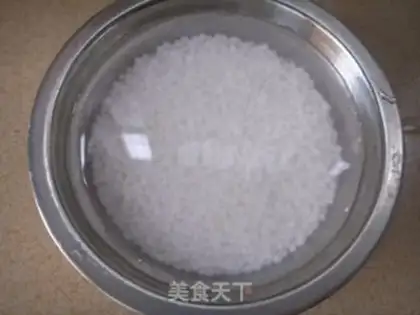
2
Wash the sago and soak slightly.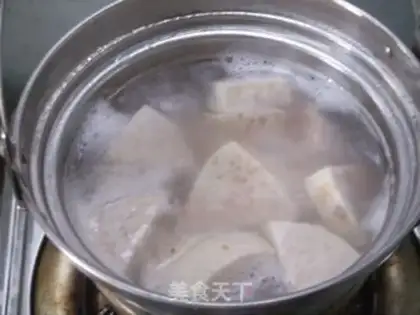
3
Put water in the pan and add taro to the boil over high heat.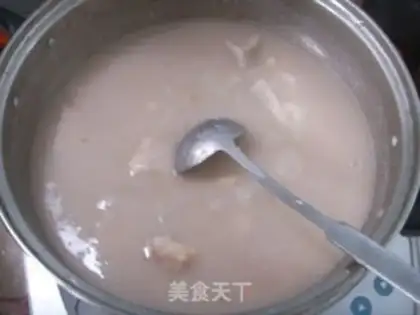
4
Cook until the taro is rotten, the soup is thick, and then season with sugar.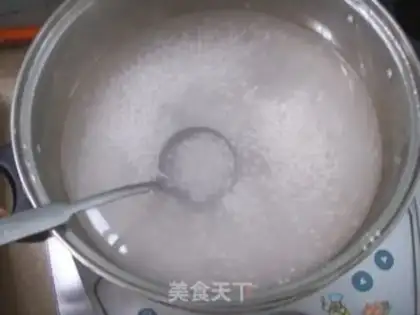
5
Bring water to a boil in another pot, add the sago and cook until transparent, then turn off the heat.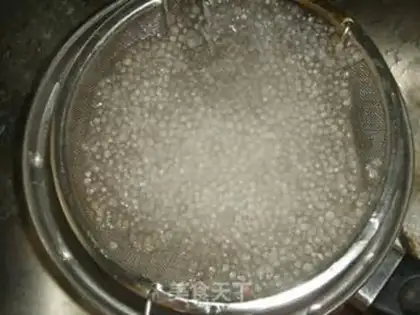
6
Use a sieve to pick up the cooked sago and rinse with cold water.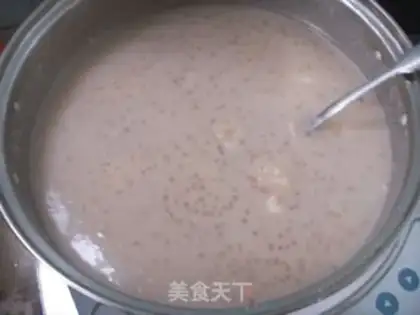
7
Put the washed sago into the boiling taro soup and cook, stirring constantly, until the sago is boiled until there are no white spots, then turn off the heat.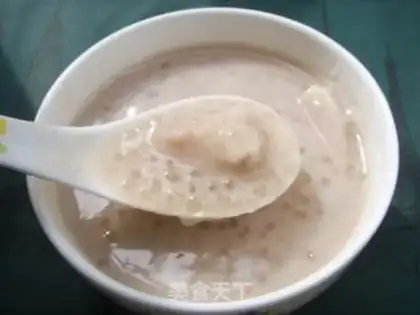
8
The cooked sago is soft and slippery.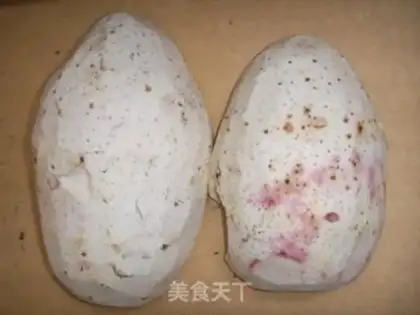
9
You can refer to the old text for the selection and handling of taro. taro sago Make Tips
1) When making sago soup, cook the taro until it is soft and mushy, and the soup slightly thick, so that the texture is smooth when drinking. 2) After the taro becomes soft, turn down the heat and stir constantly to prevent it from sticking to the bottom. 3) If the sago is cooked in advance, it is best to soak it in ice water after rinsing with cold water to prevent it from clumping together. 4) When adding the sago to the taro soup to cook together, stir continuously to prevent it from sticking to the bottom.