It's a slash
By VicentaLakin
As if the northerners were born to eat pasta, they would not be able to steam their own buns in the last few years, and the buns sold outside were soft, they didn't chew their heads, they liked to eat their mother's stale buns, but they couldn't stand to eat and eat every day. Looking at the recipe online in 11 years, it's not a shame to see a bun published by a netmate. Since then, slowly learn how to steam, and now you've got a hand to catch, and you're never going to swallow because you miss Mom's steam
Recipe Recommendations
- flour 500 grams
- iron stick yam appropriate amount
- yeast 5 grams
- water appropriate amount
Steps for It's a slash
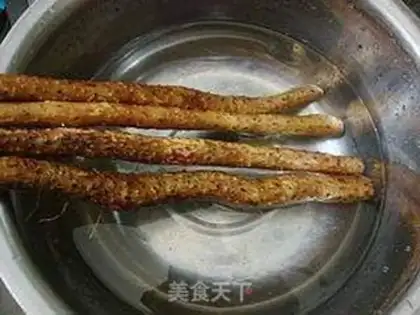
1
The iron stick mountain is washed and fertilized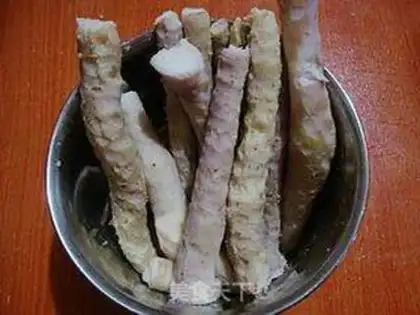
2
And the fertilized pox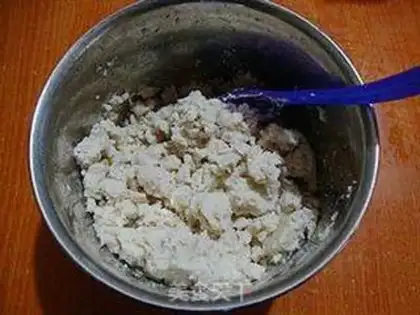
3
Crush with a spoon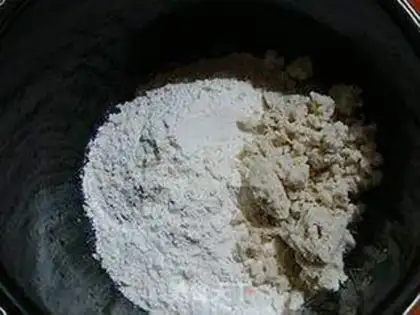
4
500 grams of flour are placed in containers and placed in mountain medicine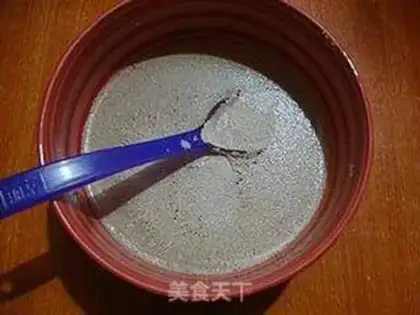
5
The yeast is modulated in warm water of about 30 degrees, and is sedated for a while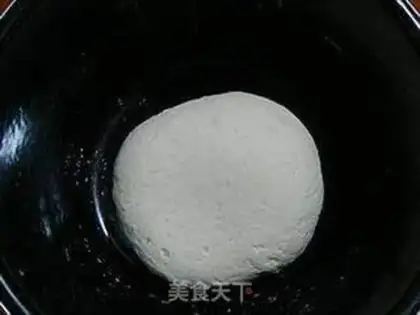
6
Put yeast water in flour and in soft and hard face, and ferment it in the warm of the fermented film or curtains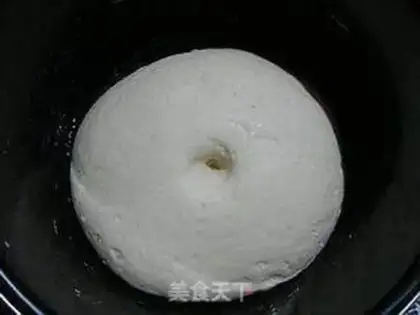
7
The pasta fermented 1.5 to 2 times the original size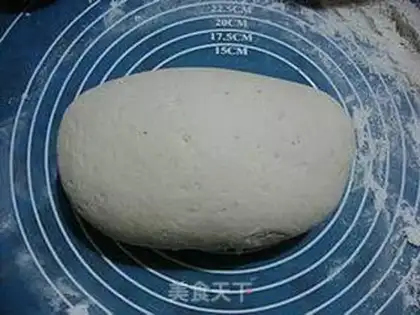
8
(b) The extraction of a flat exhaust in two
9
One of them is a noodle for growth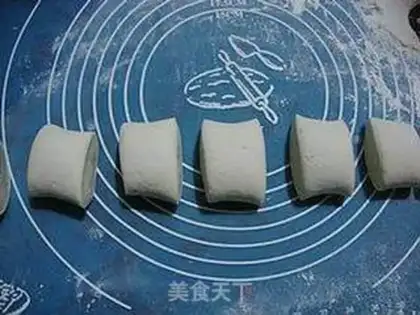
10
(a) The shape of a bun with a knife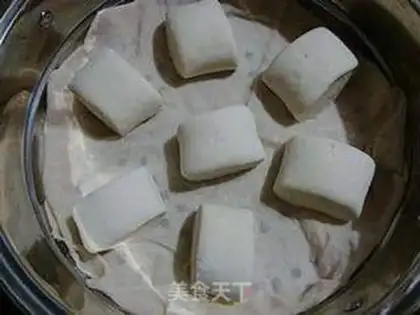
11
Wet cloths in cages, which are laid in fine buns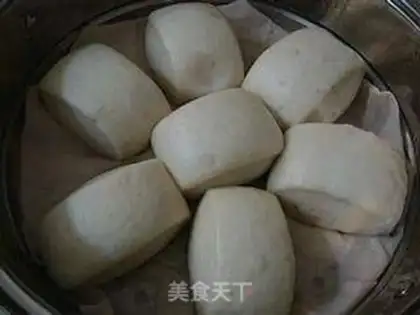
12
Cold water in the pot, double fermentation for 20 minutes, fire, 15 minutes fire after the water's opening, 5 minutes of fumigation, ready to eatIt's a slash Make Tips
1. In summer, the second proofing for the raw buns usually takes 15 minutes; in winter, the time should be extended relatively. As long as the buns have expanded and become lighter, it is fine.
2. Use warm water to knead the dough in winter, as it helps the yeast ferment.
3. Generally, these knife-cut buns are not very large, so steaming for 15 minutes is enough. If they are hand-shaped buns, it takes about 20 minutes. This means the steaming time depends on the size of the buns.
4. Regarding the amount of water for the dough, it depends on whether you like firm or soft buns. I personally like firm buns, so I use a little less water each time. Generally, use 250g of water for 500g of flour; this results in buns that are neither too hard nor too soft.