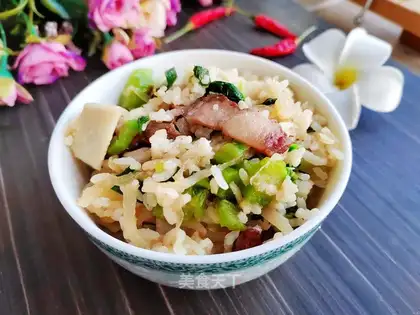
When it comes to superfoods in traditional Chinese cuisine, few ingredients boast the versatility and medicinal reputation of Tiegun Shanyao (铁棍山药), often translated as "iron stick Chinese yam." A slender, pale root vegetable with a rough, bark-like skin, Tiegun Shanyao is a staple in both culinary and herbal medicine, celebrated for centuries for its mild flavor and profound health benefits. Unlike common yams, which are starchy and bland, Tiegun Shanyao is prized for its creamy texture, subtle sweetness, and exceptional nutritional profile. This article explores its nutritional composition, health benefits, culinary applications, and important precautions to help readers appreciate and safely incorporate this "miracle root" into their diets.
Nutritional Composition: A Treasure Trove of Essential Nutrients
Tiegun Shanyao is a nutritional powerhouse, packed with vitamins, minerals, antioxidants, and unique bioactive compounds that set it apart from other root vegetables. Its nutritional value can be broken down into several key components:
1. Polysaccharides: The Core Bioactive Compounds
The most notable constituents of Tiegun Shanyao are its water-soluble polysaccharides, which account for 10–15% of its dry weight. These polysaccharides, including dioscorin, allantoin, and mucilage, are responsible for many of its health-promoting properties. Studies show they possess antioxidant, anti-inflammatory, and immunomodulatory effects, helping the body combat oxidative stress and chronic inflammation. Unlike refined sugars, these polysaccharides are digested slowly, providing sustained energy without blood sugar spikes.
2. Dietary Fiber and Prebiotics
A 100-gram serving of Tiegun Shanyao contains approximately 5 grams of dietary fiber, primarily in the form of soluble fiber like pectin and inulin. This fiber supports digestive health by promoting regular bowel movements, feeding beneficial gut bacteria (acting as a prebiotic), and reducing the risk of constipation. For individuals with sensitive digestive systems, its gentle fiber content is particularly soothing.
3. Essential Vitamins and Minerals
Tiegun Shanyao is a rich source of key nutrients:
- Vitamin B6: Crucial for brain function and metabolism, it helps produce neurotransmitters like serotonin and dopamine.
- Manganese: A trace mineral that supports bone health, wound healing, and antioxidant enzyme function.
- Copper: Works with iron to form red blood cells and supports immune health.
- Potassium: Regulates fluid balance, blood pressure, and muscle contractions.
- Vitamin C: A powerful antioxidant that boosts immunity and aids collagen synthesis.
Notably, Tiegun Shanyao is low in calories (around 50–60 calories per 100 grams) and fat, making it an ideal choice for weight management diets.
4. Unique Alkaloids and Amino Acids
The root contains small amounts of diosgenin, a plant compound with estrogen-like properties that has been studied for its potential to support hormonal balance. It also provides essential amino acids like lysine and methionine, which are vital for protein synthesis and tissue repair.
Health Benefits: From Traditional Wisdom to Modern Science
For over 2,000 years, Tiegun Shanyao has been a cornerstone of Traditional Chinese Medicine (TCM), where it is revered for its ability to "tonify the spleen, nourish the lungs, and benefit the kidneys." Modern research has begun to validate these traditional claims, revealing a range of evidence-based health benefits:
1. Supports Digestive Health
In TCM, the "spleen" is associated with digestion and nutrient absorption. Tiegun Shanyao is believed to strengthen the spleen, making it highly effective for alleviating digestive issues such as bloating, diarrhea, and poor appetite. Its soluble fiber forms a gel-like substance in the gut, which protects the intestinal lining and promotes the growth of Lactobacillus and other probiotics. A 2019 study published in the Journal of Ethnopharmacology found that Tiegun Shanyao polysaccharides reduced intestinal inflammation in mice with colitis, suggesting potential applications for managing inflammatory bowel diseases (IBD).
2. Regulates Blood Sugar and Manages Diabetes
Thanks to its low glycemic index (GI) and high fiber content, Tiegun Shanyao is a diabetic-friendly food. The polysaccharides in the root slow down carbohydrate digestion, preventing rapid spikes in blood sugar. A 2020 clinical trial in Complementary Therapies in Medicine reported that type 2 diabetic patients who consumed Tiegun Shanyao powder daily for 12 weeks showed significant improvements in fasting blood glucose and insulin resistance compared to the control group.
3. Boosts Immune Function
The polysaccharides and antioxidants in Tiegun Shanyao enhance immune activity by stimulating macrophages (white blood cells that engulf pathogens) and increasing the production of antibodies. Research indicates that these compounds also modulate the gut-associated lymphoid tissue (GALT), the largest immune organ in the body. Regular consumption may reduce the frequency of colds and infections, particularly in older adults or immunocompromised individuals.
4. Promotes Respiratory Health
In TCM, Tiegun Shanyao is used to "moisten the lungs" and relieve symptoms of dry cough, asthma, and chronic bronchitis. Its mucilage content soothes irritated mucous membranes in the respiratory tract, while its anti-inflammatory compounds reduce airway inflammation. A 2018 study in Phytotherapy Research found that Tiegun Shanyao extract inhibited the release of histamine and other inflammatory mediators in cells, highlighting its potential as a natural remedy for allergic respiratory conditions.
5. Enhances Skin Health and Anti-Aging
The combination of vitamin C, antioxidants, and polysaccharides makes Tiegun Shanyao a potent anti-aging food. Vitamin C stimulates collagen production, improving skin elasticity and reducing wrinkles, while antioxidants like flavonoids neutralize free radicals that cause premature aging. In TCM, it is also used to treat eczema and dry skin when consumed or applied topically as a paste.
6. Supports Bone and Joint Health
Tiegun Shanyao is a good source of manganese, copper, and calcium—minerals essential for maintaining bone density and preventing osteoporosis. Its anti-inflammatory properties may also alleviate symptoms of arthritis by reducing joint pain and stiffness. A 2021 study in Osteoporosis International suggested that diosgenin (found in Tiegun Shanyao) could enhance bone formation in postmenopausal women, a group at high risk of bone loss.
Culinary Uses: Versatile and Delicious
Beyond its health benefits, Tiegun Shanyao is a culinary chameleon, prized for its mild, slightly sweet flavor and creamy texture when cooked. Here are some popular ways to enjoy it:
1. Steamed or Boiled
The simplest method is to steam or boil the whole root until tender (20–30 minutes), then peel and serve with a drizzle of honey or soy sauce. This preserves its nutritional content and natural sweetness.
2. Soups and Stews
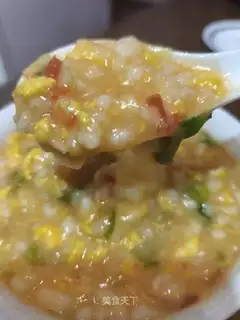
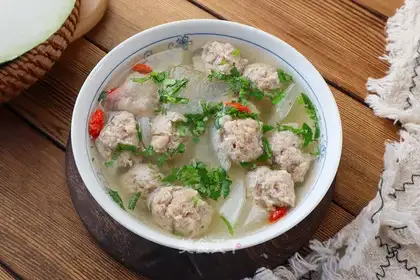
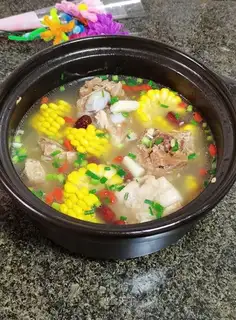
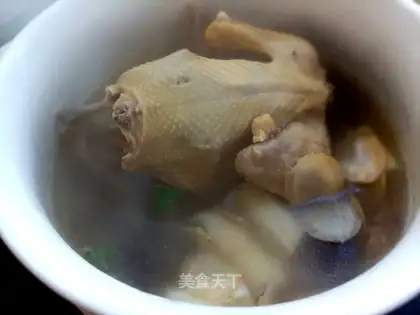
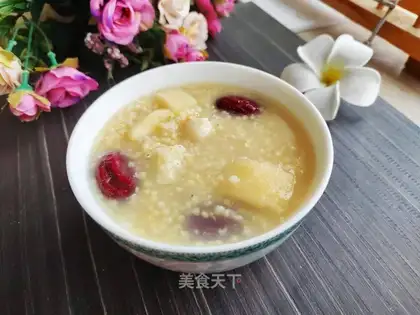
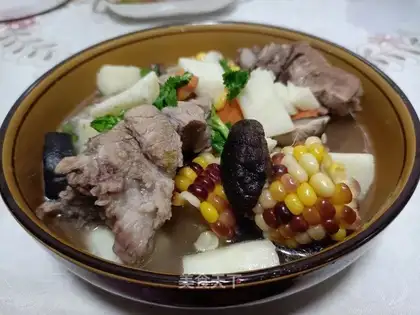
Tiegun Shanyao is a star in hearty soups, such as Tiegun Shanyao pork rib soup or chicken and yam congee. Its neutral flavor complements meats and vegetables while adding thickness and depth to the broth.
3. Stir-Fries and Sautés
Sliced or cubed Tiegun Shanyao can be stir-fried with garlic, mushrooms, and bell peppers for a crisp-tender, nutritious side dish. It pairs well with both vegetarian and non-vegetarian ingredients.
4. Desserts and Sweet Treats
In China, Tiegun Shanyao is often used to make desserts like shanyao cake (a steamed cake with rice flour) or shanyao pudding (a creamy dessert flavored with osmanthus). It can also be blended into smoothies or baked into muffins for a healthy twist.
5. Powders and Teas
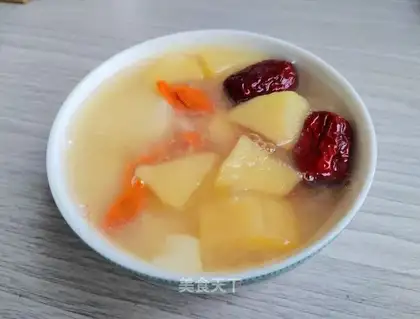
For convenience, Tiegun Shanyao is sold as a dried powder, which can be mixed into oatmeal, yogurt, or smoothies. It is also brewed into a soothing tea by steeping dried slices in hot water, often with goji berries or jujubes for added flavor.
Precautions and Potential Side Effects
While Tiegun Shanyao is generally safe for most people, there are important precautions to keep in mind:
1. Not for Everyone with Digestive Issues
Individuals with a sensitive digestive system or conditions like irritable bowel syndrome (IBS) may experience bloating or gas due to its high fiber content. It is advisable to start with small portions and gradually increase intake.
2. Avoid During Illnesses with "Dampness"
In TCM, Tiegun Shanyao is considered "warming" and is not recommended for those with "damp-heat" conditions, such as fever, sore throat, or urinary tract infections. It may exacerbate these symptoms by increasing internal heat.
3. Drug Interactions
Tiegun Shanyao may lower blood sugar, so individuals taking diabetes medications (e.g., metformin) should monitor their levels closely to avoid hypoglycemia. It may also interact with blood thinners due to its vitamin K content.
4. Allergic Reactions
Though rare, some people may be allergic to Tiegun Shanyao, experiencing symptoms like itching, rash, or difficulty breathing. Those with known allergies to other yams or nightshade vegetables should exercise caution.
5. Proper Preparation is Key
Raw Tiegun Shanyao contains oxalates, which can cause irritation or kidney stones in susceptible individuals. Always cook it thoroughly before consumption. Additionally, peel the skin carefully, as it may contain pesticide residues or natural irritants.
Conclusion
Tiegun Shanyao is more than just a root vegetable—it is a nutritional and medicinal marvel that bridges the gap between traditional wisdom and modern science. Its unique combination of polysaccharides, fiber, vitamins, and minerals makes it a powerful ally for digestive health, immune function, blood sugar regulation, and anti-aging. Whether steamed, stewed, or blended into a smoothie, this versatile ingredient can be easily incorporated into a balanced diet. However, as with any superfood, moderation and awareness of individual health conditions are key. By understanding its benefits and precautions, we can fully harness the power of Tiegun Shanyao to enhance our health and well-being—one delicious bite at a time.