I don't know
By VicentaLakin

There are a lot of different types of meat clips in the Shaanxi, with white-gills, beef dumplings back on Min-sung Street, and Zhuan Zhu, and so on。
Recipe Recommendations
- pork belly 500 grams
- flour 300 grams
- soup-stock 1 bowl
- green onions 1 piece
- Jiang 1 block
- geranyl 2 tablets
- clove the 4
- octagonal of 2
- pepper 15 capsules
- cinnamon 1 segment
- grass fruit 1 piece
- tangerine peel 2 tablets
- soy sauce 2 tablespoons
- soy sauce 1 tablespoon
- rock sugar 1 tablespoon
- cooking wine 2 tablespoons
- salt appropriate amount
- yeast 3 grams
- edible Trona 2 grams
- salty and fresh
- other
- several hours
- ordinary
Steps for I don't know
1
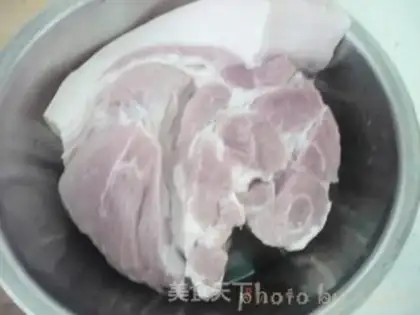
Prepare pork, so that the pork is immersed in cold water for more than two hours, and it is best to change the water several times in the middle, so that the blood in the flesh can come out。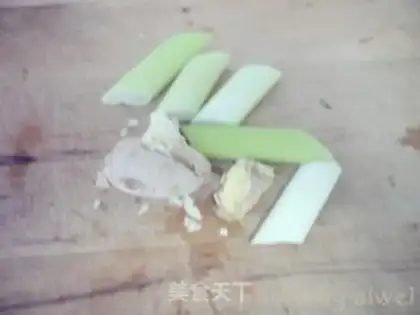
2
Prepare onions, onions, slices, slices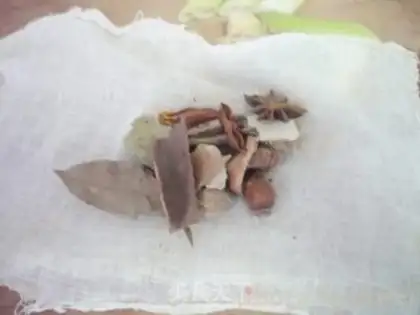
3
Preparation packs, two fragrances, eight horns, one section of cinnamon, 15 pellets, two pellets of platinum, one berries and four cloves。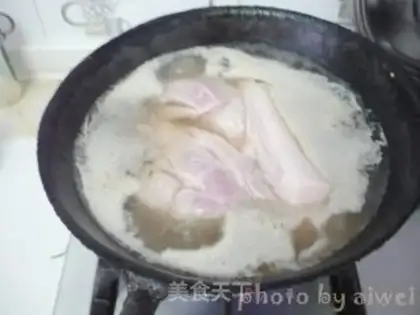
4
The pork chops into the pot, pours into fresh water without meat, and then boils for about three minutes after it's smoldering, extracting the meat and pouring it out。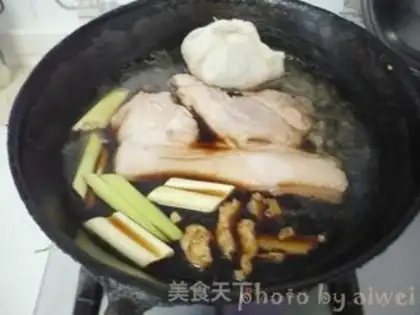
5
Once again, the water was poured into the pot and the pork was sprung, the fire opened, and the dressing bag was added to the old soup bowl to the old soup bowl for two hours。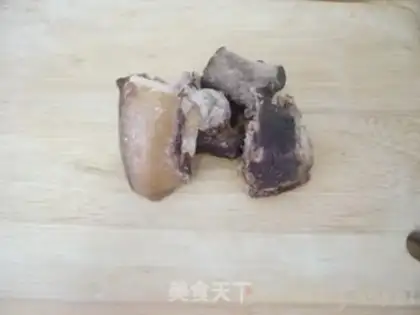
6
Cooked meat super-smelling, soft。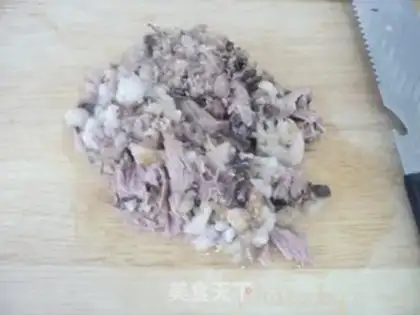
7
The roasted meat is a little cold, and it's cut to pieces with a knife
8
When cooking, the oil above is collected for backup。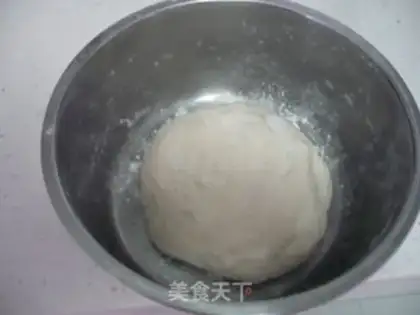
9
Prepare flour. Placing flour in a basin, into dry yeasts, alkalis, and pouring into the water with chopsticks to mix it into a snowflake face; rubbing it in the hand and fermenting it in the warm, not fully venting, with a little hair。
10
We'll flatten the haired noodles and split them into agents of the same size. Take one of these first-growth agents, then flatten the hand, and then grow the strips with a stick。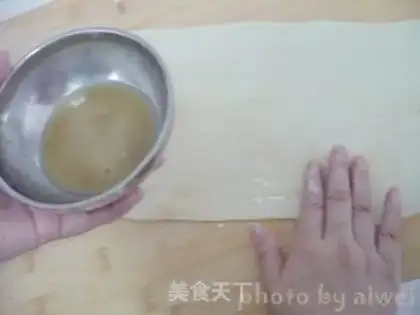
11
The oil collected from the meat is evenly painted on the face。
12
The pasta will be rolled from the top。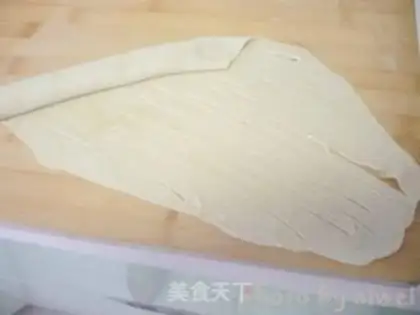
13
The face rolls to the end, 50 centimeters, and the face is fined with the finger。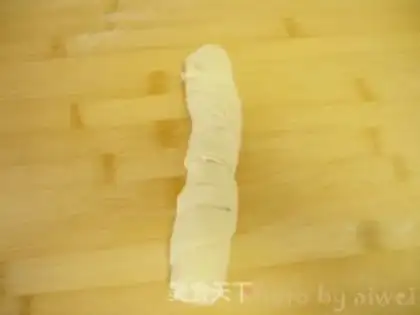
14
We'll wrap it up in thin strips。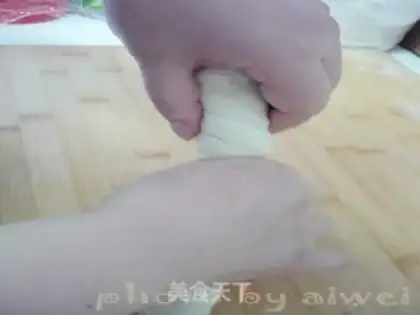
15
I'm going to use a hand roll to divide the rolled face into the equivalent. You must use your hand, not your knife
16
The selected agent was then placed on the board, with his hand flattened into a little tortilla。
17
The flat boiler brushes a little oil, and puts a nice little tortilla into the pot, and then turns on the face, and then turns on the little fire, so that the cake is branded。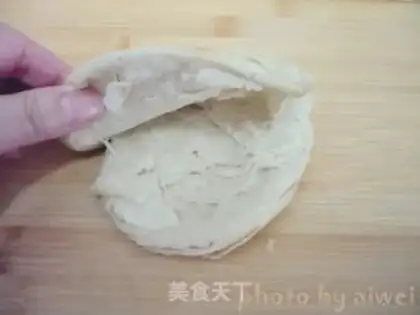
18
Cut the blades from the middle, don't cut them off。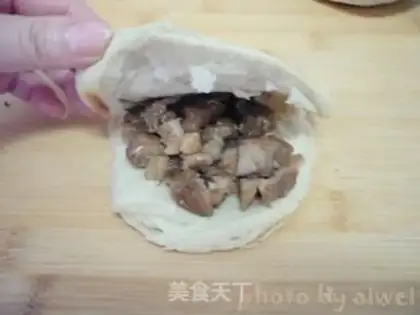
19
I'll put the cut meat in the branded pie, and I'll put it in the fragrance。I don't know Make Tips
1. Generally speaking, one jin of raw meat yields 6 to 7 liang of cooked meat; this varies slightly depending on the fat content and the firmness of the meat, with leaner meat cooked firm resulting in a higher yield.
2. Add flour and alkali to the fermented dough and knead it well. Since dough ferments quickly in the summer, take care not to prepare too much at once. Flatbreads made from over-fermented dough will taste sour; adding too much alkali will turn the bread yellow; and uneven kneading will make it bitter.
3. The flavor profile of Roujiamo is characterized by being fresh, fragrant, and dry. It can be paired with soupy dishes such as porridge (red bean or black rice), seaweed and vermicelli soup, and sheep blood soup with vermicelli, among others.
4. The main difference between Lao Tongguan Roujiamo and other types of Roujiamo lies in the baking of the flatbread; the dough for Lao Tongguan Roujiamo incorporates fat collected while boiling the meat, resulting in a very crispy flatbread.