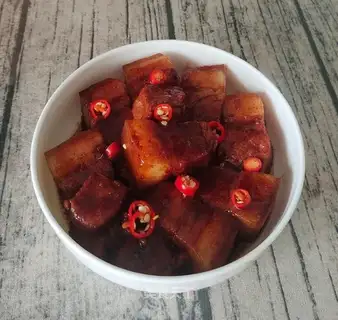
Pork belly, often celebrated as a cornerstone of cuisines worldwide—from Korean samgyeopsal and Chinese hongshao rou to Italian porchetta—is a cut of pork that balances rich flavor, tender texture, and surprising nutritional complexity. While its reputation for indulgence precedes it, a closer examination reveals that pork belly, when consumed in moderation, offers a unique profile of macronutrients, vitamins, and minerals. However, its high fat content and specific preparation methods also warrant caution. This article explores the nutritional value of pork belly, its potential health benefits, and important considerations for safe and healthy consumption.
Nutritional Value of Pork Belly
Pork belly is derived from the ventral portion of the pig, consisting of alternating layers of fat and lean meat, which contributes to its melt-in-your-mouth texture. A 100-gram serving of cooked pork belly (approximately 3.5 ounces) contains roughly 330–350 calories, with 25–30 grams of fat (10–12 grams of which is saturated fat), 15–18 grams of protein, and minimal carbohydrates. While these numbers may raise eyebrows, the fat in pork belly is not uniform—it includes a mix of monounsaturated, polyunsaturated, and saturated fats, with small amounts of heart-healthy oleic acid (the same fat found in olive oil).
In terms of micronutrients, pork belly is a notable source of B vitamins, particularly thiamine (B1), riboflavin (B2), niacin (B3), and vitamin B12. These vitamins play critical roles in energy metabolism, nerve function, and red blood cell formation. For example, niacin helps convert food into energy, while vitamin B12 is essential for neurological health and DNA synthesis. A 100-gram serving provides approximately 30–40% of the daily recommended intake (DRI) for niacin and 15–20% for vitamin B12.
Pork belly also contains significant amounts of minerals, including phosphorus, zinc, and selenium. Phosphorus supports bone health and cell repair, zinc boosts immune function and wound healing, and selenium acts as a powerful antioxidant that protects cells from oxidative damage. Additionally, pork belly provides choline, a nutrient vital for brain development and liver function, which many people lack in their diets.
It is worth noting that the nutritional profile of pork belly can vary based on the cut (e.g., slab vs. streaky), cooking method (e.g., braised vs. roasted), and whether the skin is included (pork skin is high in collagen and protein but also fat). However, even leaner portions retain a balanced mix of nutrients that make it more than just a "fatty" cut.
Health Benefits of Pork Belly
When consumed as part of a balanced diet, pork belly can offer several health benefits, primarily due to its nutrient density and protein content.
1. High-Quality Protein for Muscle Maintenance
Pork belly is a good source of complete protein, meaning it contains all nine essential amino acids that the body cannot produce on its own. Protein is crucial for building and repairing tissues, supporting muscle mass (especially important for older adults or athletes), and maintaining a strong immune system. While leaner cuts like pork loin are higher in protein, pork belly’s fat content can also aid in satiety, helping to regulate appetite and prevent overeating.
2. B Vitamins for Energy and Cognitive Function
The B vitamins in pork belly are particularly beneficial for energy production. Thiamine, for instance, helps the body convert carbohydrates into energy, making it an important nutrient for active individuals. Niacin supports cardiovascular health by lowering LDL ("bad") cholesterol and raising HDL ("good") cholesterol. Vitamin B12, found almost exclusively in animal products, is critical for preventing anemia and maintaining cognitive function—deficiencies can lead to fatigue, memory loss, and nerve damage.
3. Minerals for Immune and Bone Health
Zinc and selenium in pork belly are potent immune boosters. Zinc deficiency is linked to weakened immune responses, making pork belly a valuable dietary addition during cold and flu season. Selenium, meanwhile, works with vitamin E to neutralize free radicals, reducing inflammation and lowering the risk of chronic diseases like heart disease and cancer. Phosphorus, another key mineral, supports bone density and helps maintain the body’s pH balance.
4. Fat-Soluble Vitamins and Satiety
While pork belly is often criticized for its fat content, the fat carries fat-soluble vitamins like vitamin D (in small amounts) and vitamin E, which are important for immune function and skin health. Additionally, dietary fat slows digestion, promoting a feeling of fullness that can aid in weight management when consumed in controlled portions. This satiety effect may reduce the likelihood of snacking on less nutritious, high-sugar foods.
食用禁忌 (Dietary Restrictions and Precautions)
Despite its nutritional benefits, pork belly is not suitable for everyone, and excessive consumption can lead to health issues. Understanding its limitations is key to enjoying it safely.
1. High Saturated Fat and Heart Disease Risk
The primary concern with pork belly is its high saturated fat content (10–12 grams per 100 grams). Diets rich in saturated fat can raise LDL cholesterol, increasing the risk of atherosclerosis, heart disease, and stroke. The American Heart Association recommends limiting saturated fat to less than 10% of daily calories (about 20 grams for a 2,000-calorie diet). For individuals with existing heart conditions, high cholesterol, or a family history of cardiovascular disease, pork belly should be consumed sparingly, if at all.
2. Sodium Content in Processed and Prepared Forms
Many pork belly dishes, such as cured bacon, smoked belly, or braised preparations, are high in sodium due to added salt or sauces. A single serving of braised pork belly can contain 800–1,200 milligrams of sodium, exceeding the World Health Organization’s recommendation of less than 2,000 milligrams per day. High sodium intake is linked to hypertension, kidney disease, and fluid retention, making it essential to limit processed pork belly products and use herbs and spices instead of salt when cooking.
3. Purine Content and Gout Risk
Pork belly is moderately high in purines, natural compounds that break down into uric acid in the body. Excess uric acid can crystallize in joints, causing gout—a painful form of arthritis. Individuals with gout or a history of kidney stones should avoid or strictly limit pork belly, as it can trigger flare-ups.
4. Cooking Methods and Carcinogen Formation
The way pork belly is cooked significantly impacts its healthfulness. High-heat methods like grilling, frying, or charring can produce heterocyclic amines (HCAs) and polycyclic aromatic hydrocarbons (PAHs), carcinogens linked to an increased risk of cancer. To minimize these risks, opt for gentler cooking methods such as braising, stewing, or roasting at lower temperatures. Removing excess fat before cooking and marinating the meat in acidic ingredients (e.g., vinegar or lemon juice) can also reduce HCA formation.
5. Dietary Restrictions and Ethical Considerations
For ethical or religious reasons, some individuals avoid pork altogether. Additionally, those following plant-based or certain religious diets (e.g., Jewish kosher or Islamic halal) will exclude pork belly from their meals. Pregnant women should also ensure pork belly is cooked thoroughly to avoid risks of bacterial contamination like Toxoplasma gondii or Salmonella.
Conclusion
Pork belly is a nutrient-dense food that offers a unique combination of protein, B vitamins, and minerals, making it a valuable addition to a balanced diet when consumed in moderation. Its high-quality protein supports muscle health, while B vitamins and minerals boost energy, immunity, and cognitive function. However, its saturated fat, sodium, and purine content, as well as potential carcinogens from high-heat cooking, necessitate caution.
For most people, enjoying pork belly as an occasional treat—prepared through healthier cooking methods like braising or stewing, paired with vegetables and whole grains—can be part of a healthy lifestyle. By understanding its nutritional benefits and limitations, individuals can savor the rich flavors of pork belly while prioritizing their long-term health. As with all foods, moderation and mindful preparation are key to unlocking its potential without compromising well-being.