Stewed pork ribs with taro head
By BritneyHauck
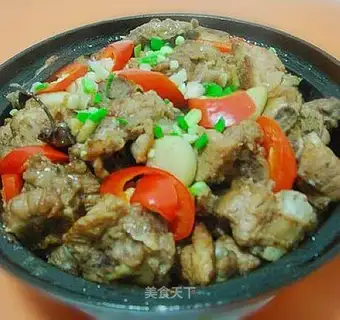
Ingredients: salt,Taro,ribs,pepper,white sugar,cooking wine,soy sauce,onion,Jiang,garlic,octagonal,cornflour,cinnamon,red pepper
Recipe Recommendations
- ribs appropriate amount
- Taro one
- red pepper one
- Jiang appropriate amount
- onion appropriate amount
- garlic appropriate amount
- octagonal appropriate amount
- cinnamon appropriate amount
- salt appropriate amount
- cooking wine appropriate amount
- soy sauce appropriate amount
- pepper appropriate amount
- cornflour appropriate amount
- white sugar appropriate amount
Steps for Stewed pork ribs with taro head
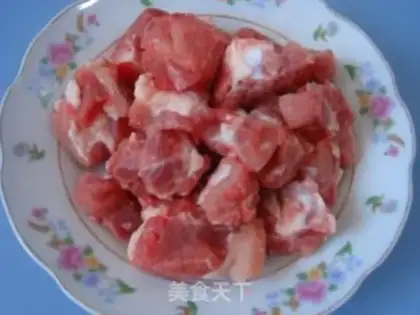
1
600g pork ribs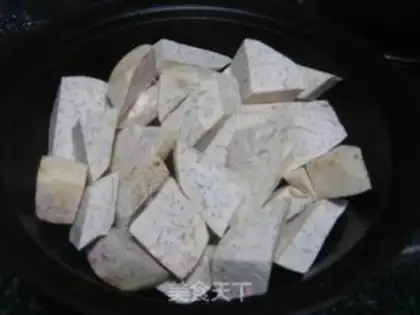
2
Peel the taro, wash the hob and cut into slices for later use.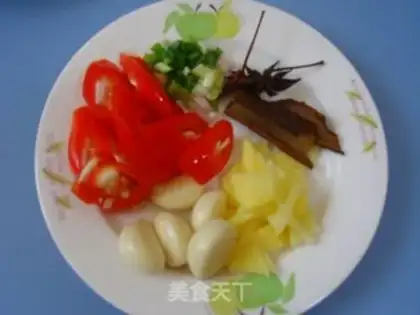
3
Cut red pepper in circles, slice cut spring onion and ginger, complete garlic, and wash star anise cinnamon.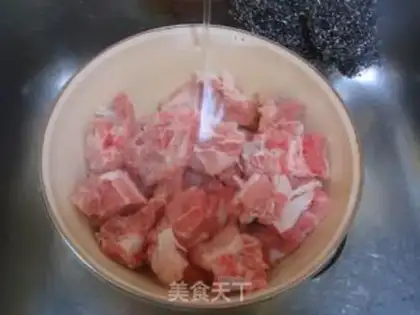
4
Put the ribs in running water and rinse the blood clean.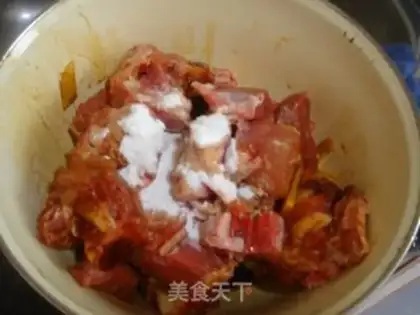
5
Put pepper powder, salt, soy sauce, cooking wine, ginger slices, cornflour, and a little sugar into the washed ribs and marinate for more than half an hour.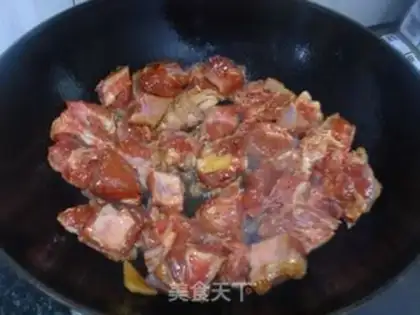
6
Put a slightly wider oil into the pan, pour in the ribs and stir fry.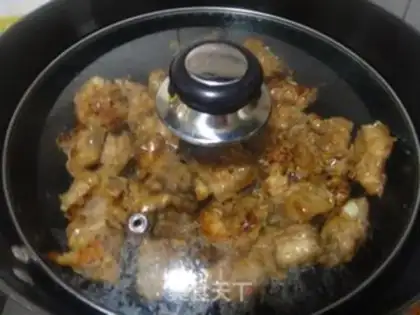
7
Pull out the ribs flat, cover the lid, and fry them over medium heat until golden brown on both sides.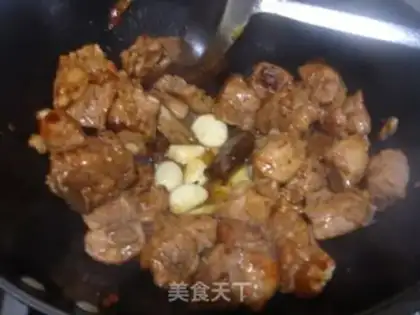
8
Put down the ginger, garlic, cinnamon, and star anise to burst out.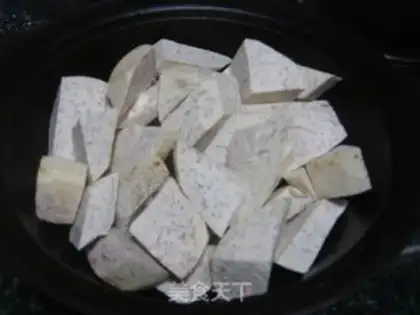
9
Put a little base oil in the pot, or put two slices of white radish on the bottom of the pot with cabbage stalks.) Put the taro into the pot and sprinkle a little salt on it.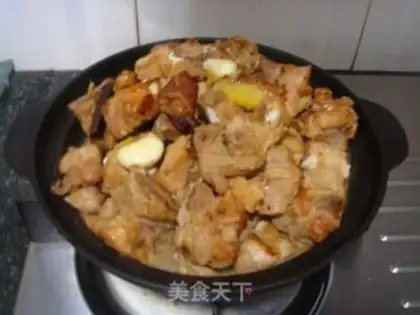
10
Pour the ribs on top of the taro.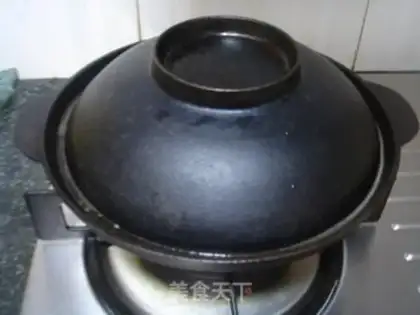
11
Cover and cook over low heat until the taro is cooked with chopsticks.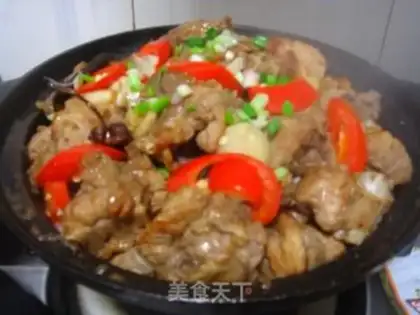
12
Add red pepper and cover for two minutes to remove from heat, sprinkle with chopped green onion and serve.Stewed pork ribs with taro head Make Tips
Tips: 1. When marinating the ribs, be sure to add enough flavor at one time, and add a little more cornflour, so that the ribs taste tender and smooth. 2. It's best to pickle for a longer time. I marinate it from noon until evening, so it's very delicious. 3. After the taro is cut, it is best to put it on the bottom to dry in the sun to allow the skin to form a crust. This way, the taro will not become rotten after it is cooked. 4. The ribs are almost 70 to 80 percent cooked after the previous frying and stewing, so don't worry about the ribs being cooked thoroughly. 5. Water was not drained throughout the entire process. The water in the ribs itself was enough for refueling.