Janju's burning silk
By VicentaLakin
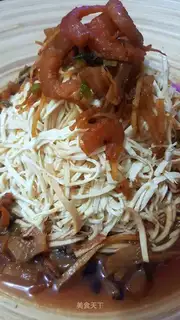
The Jiangsuyan and Thai regions originate in Yangzhou. It belongs to the wimp. It has a good feeding effect on high lipid haematosis, high cholesterol, obesity and vascular sclerosis. The soybeans are processed into large white drys, laced in silk, rinded over and over again, soaked with soybeans and sesame oil, made of gingers and shrimp. Stylish, soft, nice mouth。
Recipe Recommendations
- thick white stem
- kaiyang 8 to 10
- scallops for 2~3
- cooking wine 3 scoops
- soy sauce 3 scoops
- soy sauce 1 teaspoon
- sugar 1 scoop
- salt a little
- chicken essence appropriate amount
- onion 2 pieces
- shredded ginger a little
- sesame oil a little
- salad oil a little
Steps for Janju's burning silk
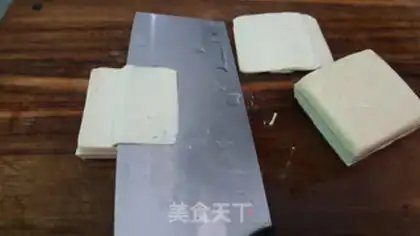
1
slashed with a sharp knife to produce about a millimeter of dry white. the right hand holds the knife smoothly and the left hand holds the dry side. take care of the push。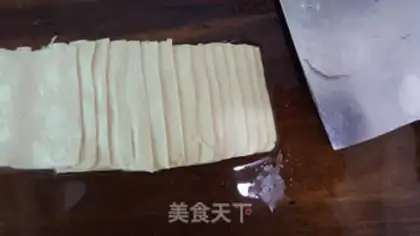
2
Let's put the good white-dry piece down, put it all down, spread the water。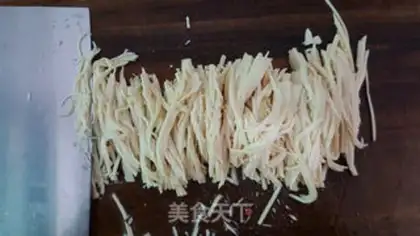
3
cut it with a knife into a 1.5 mm white dry wire。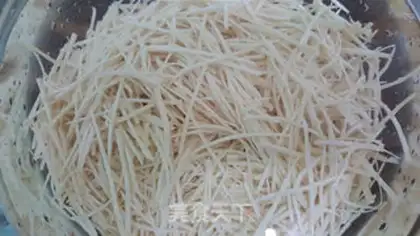
4
Put it in a bowl full of fresh water, and run it all over the clear。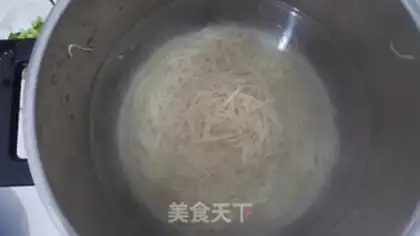
5
Boiled and boiled with fresh water and put in dry wire。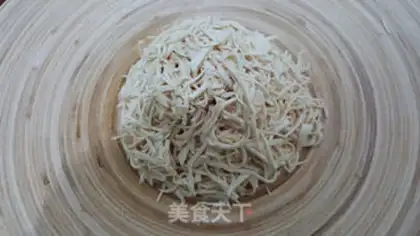
6
Boiled with chopsticks (preventing glue) for 2-3 minutes. (The old man put the cut ginger silk on the white dung and poured it three times to the soybeans. It's easier to burn in the pot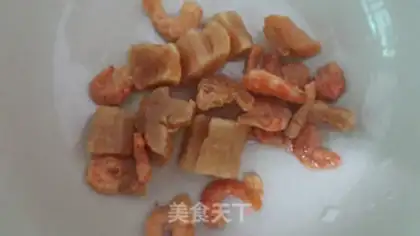
7
I'll put some fresh water in the pot for three to five minutes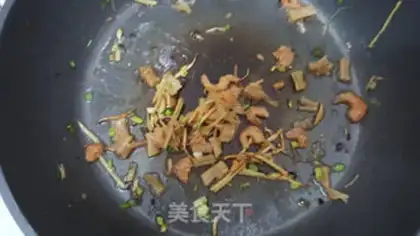
8
When the onion onions of ginger-sniffed fragrances come out of the onion, when the onion and the dry bee weeds come out, they pour wine, smoke, smoke. A little water, sugar, a little salt, chicken. 3-5 minutes。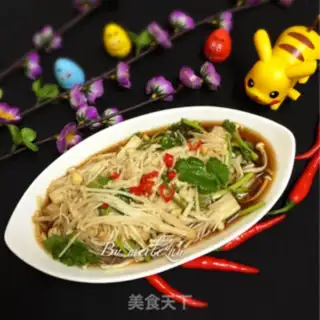
9
The cooking soup is poured into a plate with dry wire. Just put on the perfume。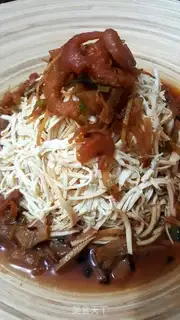
10
Tastes light, soup fragrance。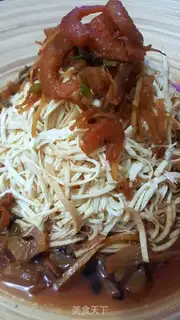
11
Take a little chopstick and tweak the soup. Don't feel like it. There's a famous food at the Yangzhou Hotel. It's also for the Yangzhou people to eat their morning tea。Janju's burning silk Make Tips
Choose the right kind of dried tofu. The dried tofu used for making shredded tofu is firm in texture and is commonly found in markets in southern China. Vacuum-packed versions are available in the soy product section of supermarkets, typically sold in packs of two.